
Safety
Cannabis in Old Age — Complete Guide for Senior Australians 2026
Senior Australians are one of the fastest-growing groups of cannabis users. A comprehensive guide to cannabis for older adults — benefits, drug interaction risks, "start low go slow" dosing, and how to talk to your doctor about medicinal cannabis in Australia.
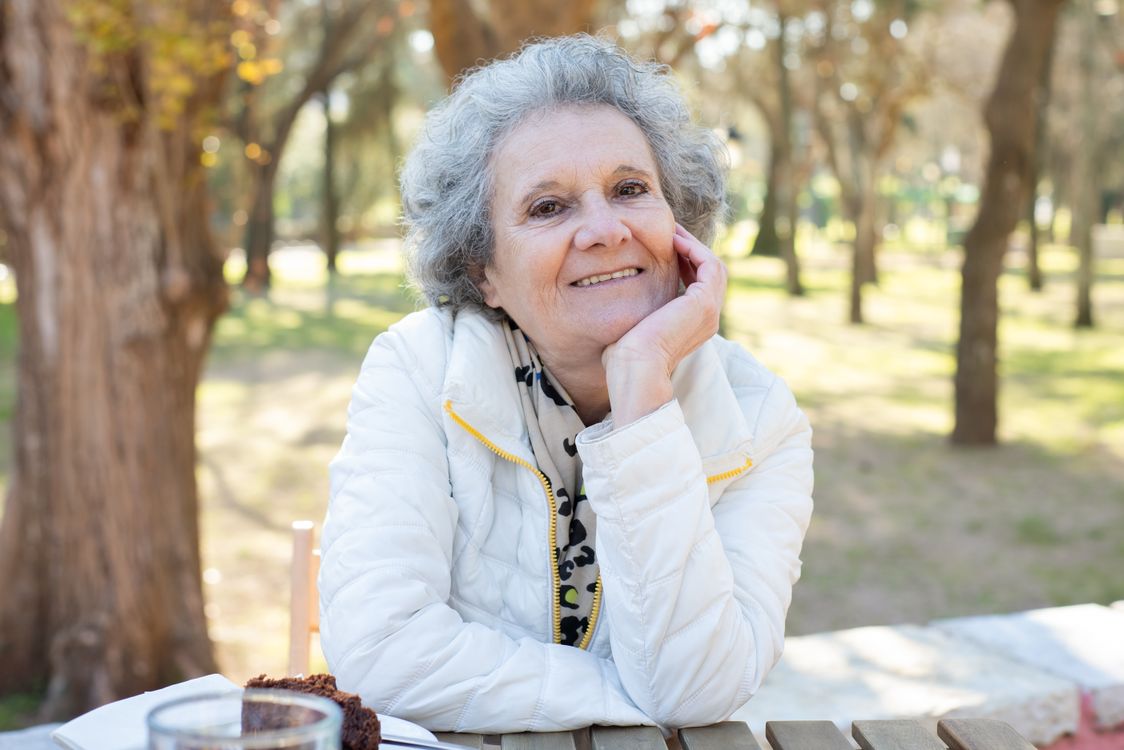
There’s a quiet revolution happening among older Australians. Seniors are now one of the fastest-growing demographics of cannabis users worldwide, and Australia is no exception. Between 2022 and 2026, the proportion of medicinal cannabis patients aged 65 and over has more than doubled — driven largely by unmet need in chronic pain, insomnia and age-related anxiety.
This guide covers everything older Australians need to know about medicinal cannabis in 2026 — the potential benefits for common age-related conditions, the real drug interaction risks, how to use it safely using the “start low, go slow” principle, and how to have an informed conversation with your GP.
Why are older Australians turning to cannabis?
The reasons are varied, but the common thread is that many seniors are dealing with chronic conditions that conventional medications either don’t adequately address or cause significant side-effects from. Research from the US found that cannabis use among adults 65 and older tripled between 2009 and 2019, rising from 11% to 32% of that age group.
Common reasons seniors explore cannabis include:
- Chronic pain — arthritis, back pain, neuropathic pain
- Sleep difficulties — insomnia is extremely common in older adults
- Anxiety and low mood — depression affects an estimated 10–15% of Australians over 65
- Appetite loss — particularly in those undergoing cancer treatment
- Nausea — including chemotherapy-related nausea
- Palliative care — improving quality of life in end-of-life situations
- Muscle spasms — associated with multiple sclerosis and similar conditions
Potential benefits for older adults
Pain management
This is the most well-documented use case. Multiple studies show cannabis — particularly THC and CBD together — can meaningfully reduce pain perception in conditions like osteoarthritis, neuropathic pain and cancer pain. For seniors who have tried opioids and experienced significant side-effects (constipation, cognitive fog, dependency), cannabis can offer an alternative or complementary approach.
Sleep improvement
Cannabis, particularly indica-dominant strains high in myrcene (a sedating terpene), can reduce time to fall asleep and improve sleep quality. CBD may also help by addressing anxiety that contributes to poor sleep, without the next-day grogginess that sleeping pills can cause.
Mood and anxiety support
CBD has shown the most promise here — it interacts with serotonin receptors in ways that may reduce anxiety without the dependency risks of benzodiazepines (like diazepam or temazepam), which are widely overprescribed in older Australians.
Important risks for older adults
The risks are real and warrant careful consideration — especially for older adults, who may have different physiology, take multiple medications, and be more susceptible to certain side-effects.
Drug interactions
This is the most significant concern. Older Australians often take multiple prescription medications, and cannabis — particularly CBD — can interact with them by affecting how the liver metabolises drugs through the CYP450 enzyme system.
Medications that may interact with cannabis include:
- Blood thinners (warfarin) — cannabis may increase blood-thinning effects
- Blood pressure medications — cannabis can lower blood pressure, sometimes dramatically
- Sedatives and sleeping pills — cannabis amplifies sedative effects
- Antidepressants (SSRIs like sertraline) — potential for increased side-effects
- Cholesterol medications (statins)
- Seizure medications
Always consult your GP or pharmacist before starting cannabis if you take any regular medications.
Falls and balance
THC impairs coordination and balance. For older adults — who are already at higher risk of falls — this is a genuine safety concern, particularly in the early stages of use before tolerance develops.
Cognitive effects
Regular high-THC cannabis use has been associated with short-term memory difficulties and reduced processing speed, which may be more pronounced in older adults. CBD does not carry these cognitive risks.
Cardiovascular effects
THC temporarily increases heart rate and can cause brief drops in blood pressure. For seniors with heart conditions, this should be discussed with a cardiologist before starting.
How should older adults use cannabis?
The principle of “start low, go slow” is especially important for older adults who are new to cannabis.
Recommended starting approach:
- Begin with CBD-dominant products — minimal or zero intoxication, lower risk profile. CBD oils, capsules and topicals are ideal starting points.
- If considering THC, start with a very low dose (2.5mg THC or less) and wait at least two hours before taking more
- Avoid smoking — combustion produces harmful chemicals that are especially problematic for older respiratory systems. Vaporizers or edibles are preferable delivery methods.
- Use at home, in a safe environment — don’t drive or use stairs immediately after taking THC products
- Keep a simple log — note what you took, how much, and how you felt. This helps you and your doctor understand what’s working.
Best product formats for older adults:
- CBD oils — precise dosing, gradual onset, no intoxication
- Capsules/softgels — consistent dosing, easy to take, familiar format
- Topical balms and creams — for localised joint or muscle pain with no systemic effects
- Low-THC edibles — controlled dosing; be patient as onset takes 30–90 minutes
- Vaporizers (low-THC) — faster onset than edibles; avoid combustion
How to talk to your doctor about cannabis
Many older Australians feel uncertain about raising cannabis with their GP. Here’s how to approach the conversation productively:
- Be direct and non-apologetic — cannabis is a legal therapeutic option in Australia and your doctor cannot penalise you for asking
- Bring a list of your current medications — drug interaction screening requires this information
- Describe your symptoms specifically — what you’re hoping to address, how long you’ve had it, what you’ve already tried
- Ask about the TGA’s medicinal cannabis pathway — if appropriate, your GP can prescribe via the Special Access Scheme
- Ask specifically about CBD-only products first — these are the lowest-risk option for older adults new to cannabis
What does the research say?
The evidence base for cannabis in older adults is growing but still developing. The most well-supported applications are:
- Chronic pain — strong evidence from multiple studies
- Chemotherapy-related nausea — well-established
- Spasticity in MS — supported by clinical trials
For anxiety, insomnia, depression and appetite, the evidence is more mixed — promising but requiring larger studies. A major 2026 study from the University of Sydney found no strong evidence that medicinal cannabis treats depression, anxiety or PTSD more effectively than placebo. This doesn’t mean it doesn’t work — it means the evidence base isn’t yet robust enough to make confident clinical recommendations.
The bottom line
Cannabis can be a meaningful addition to the wellness toolkit for older Australians — particularly for chronic pain, sleep difficulties and anxiety — but it requires an informed, cautious approach. The drug interaction question is the most critical safety consideration, and older adults should never start cannabis without reviewing their current medications with a healthcare provider.
The Australian cannabis market now offers a wide range of products appropriate for older adults, from pure CBD topicals and oils with zero intoxication to carefully dosed THC products for those who want a fuller therapeutic effect under medical supervision.
Explore our CBD topicals, edibles and vaporizer range for products well-suited to older adult use.