
Products
Can the Cannabis High Affect the Medical Effects? What Australians Need to Know
The cannabis high and therapeutic effects are linked — but they aren't the same thing. Here's how THC, CBD and CB1 receptors interact, and how to choose products that match your goals in Australia.
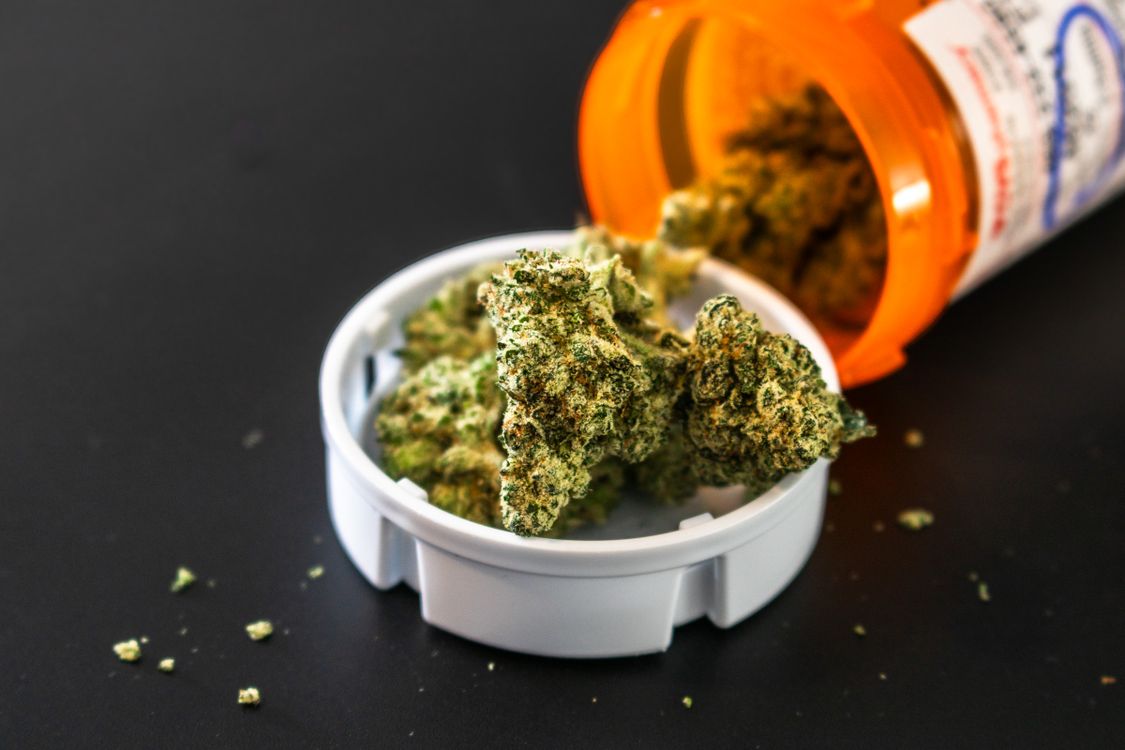
One of the most common questions from Australians exploring medicinal cannabis is whether the “high” is connected to the therapeutic relief — or whether you have to get intoxicated to get the benefit. The answer is nuanced: the high and the therapeutic effects are produced by overlapping but distinct mechanisms, and understanding this distinction can help you choose products that match your goals.
What causes the cannabis high?
The euphoric, intoxicating sensation associated with cannabis is primarily caused by THC (tetrahydrocannabinol). THC is a partial agonist at CB1 receptors — G-protein coupled receptors found densely throughout the brain (particularly in the prefrontal cortex, hippocampus, basal ganglia and cerebellum) and the central nervous system.
When THC binds to CB1 receptors, it disrupts normal neurotransmitter signalling, producing:
- Altered perception of time
- Mood changes (euphoria, relaxation — or anxiety, at high doses)
- Impaired short-term memory
- Reduced motor coordination
- Sensory amplification
Factors that determine how intense the high is:
| Factor | Effect |
|---|---|
| THC concentration | Higher % = stronger effect |
| Consumption method | Inhaled: 2–10 min onset; edibles: 30–90 min onset |
| Individual tolerance | Regular users experience less intoxication from the same dose |
| Terpene profile | Myrcene may amplify THC effects; linalool may reduce anxiety |
| CBD content | Higher CBD:THC ratio reduces intoxication |
| Body weight and metabolism | Affects how quickly THC is processed |
What are the therapeutic (medical) effects of cannabis?
In Australia, medicinal cannabis is used for a range of clinically recognised conditions. The therapeutic effects vary by cannabinoid:
THC-mediated therapeutic effects
THC’s therapeutic properties — particularly analgesia (pain relief), appetite stimulation, nausea reduction and muscle relaxation — are largely mediated by the same CB1 receptors that produce the high. This means that for THC-driven therapeutic effects, some degree of intoxication is typically present.
However, at low doses, the therapeutic effect can often be achieved with only mild or negligible intoxication — particularly in regular users who have developed tolerance.
CBD-mediated therapeutic effects
CBD (cannabidiol) produces no intoxication. CBD has low affinity for CB1 receptors and instead acts through multiple other pathways:
- 5-HT1A serotonin receptors — contributing to anti-anxiety effects
- TRPV1 receptors — involved in pain and inflammation modulation
- GPR55 receptors — involved in nausea and pain signalling
- Inhibition of endocannabinoid breakdown — increases the brain’s own cannabinoid signalling
CBD’s therapeutic properties — particularly anxiety reduction, anti-inflammation, seizure reduction and potential sleep support — occur completely independently of any intoxication.
Conditions treated via each pathway
| Condition | Primary cannabinoid | Intoxication expected? |
|---|---|---|
| Chronic pain | THC + CBD | Mild to moderate with THC |
| Anxiety | CBD | None |
| Insomnia | THC + CBD | Mild to moderate |
| Nausea (chemotherapy) | THC | Yes, typically |
| Epilepsy | CBD | None |
| Muscle spasticity (MS) | THC + CBD | Mild |
| Topical pain/inflammation | CBD | None (no systemic effect) |
Does being “high” mean the medicine is working?
Not necessarily — and this is a critical distinction for Australian medicinal cannabis patients.
For CBD-dominant products: There is no high at all. If you feel no intoxication from a CBD oil or capsule, that does not mean the product isn’t working. CBD’s anti-anxiety and anti-inflammatory effects are completely separate from any intoxication.
For balanced THC/CBD products (1:1): Mild intoxication is common, but CBD moderates some of THC’s more intense effects. Many patients find the 1:1 ratio offers a “sweet spot” — meaningful relief with manageable intoxication.
For high-THC products: Intoxication and therapeutic effect often arrive together, since both are mediated by CB1 receptors. However, at lower doses, analgesic and relaxation effects can precede significant intoxication.
The key point: Effective symptom relief can occur at doses that produce minimal or no intoxication — starting low and titrating up is the recommended approach in Australian clinical practice.
Can you get therapeutic relief without getting high?
Yes — and this is the goal for many Australian medicinal cannabis patients, particularly those who need daytime relief.
Strategies to minimise intoxication while retaining benefit:
- CBD-dominant or CBD-only products — oils, capsules and topicals with <2% THC or CBD:THC ratios above 20:1 produce no meaningful intoxication
- Low-dose THC — starting at 2.5–5mg THC and titrating slowly often achieves pain or sleep benefit before significant intoxication sets in
- Topical CBD — creams and balms applied to joints or muscles act locally, with no systemic intoxication
- Scheduled evening dosing — using THC-containing products only at night means intoxication occurs during sleep and has resolved by morning
- Consistent dosing — regular, consistent use at the same dose builds therapeutic tolerance while maintaining efficacy
Risks of intoxication (getting too high)
For some users — particularly those new to cannabis, those using high-THC products, or those who are anxious by nature — intoxication can be unpleasant:
- Anxiety or paranoia
- Rapid heartbeat (tachycardia)
- Cognitive impairment and short-term memory issues
- Dizziness or disorientation
- In rare cases, temporary psychosis-like symptoms at very high doses
A 2026 Monash University study examining TGA adverse event reports found that more than half of reported adverse events in Australia involved higher-THC products, with psychiatric symptoms being the most commonly reported outcome. This reinforces the importance of starting with lower-THC products and titrating carefully.
Practical product guidance for Australian medicinal cannabis patients
For daytime relief without impairment: Look for CBD-dominant products — CBD oils, capsules and topicals. CBD:THC ratios of 10:1 or higher are considered non-intoxicating for most patients.
For evening use — sleep or chronic pain: Moderate-THC indica-dominant products (10–18% THC flower or equivalent oil) taken 30–60 minutes before bed can provide both therapeutic relief and a comfortable, sleep-supportive effect.
If you’ve experienced anxiety from cannabis before: Choose products with a higher CBD:THC ratio. CBD directly moderates THC-induced anxiety through different receptor pathways. Terpenes such as linalool and caryophyllene may also help modulate the effect.
Never drive or operate machinery after using any THC-containing product — this is a legal requirement in Australia and applies even with a valid medicinal cannabis prescription.
Frequently asked questions
Is it possible to use medicinal cannabis without ever feeling high? Yes. CBD-dominant products and topicals produce no intoxication. Even balanced or THC-containing products, when used at low doses, often produce therapeutic effects without significant intoxication.
Does a stronger high mean the cannabis is more effective? No. For most therapeutic applications, intoxication is a side effect to minimise, not a goal to maximise. Many patients achieve excellent clinical outcomes with minimal intoxication by using appropriate doses and product formulations.
Can I use medicinal cannabis at work? Only if your employer has been informed and accommodates medicinal cannabis use. THC impairs cognitive and motor function, and many Australian workplaces require drug-free status. CBD-only products do not impair function and are less likely to appear on drug tests.
The bottom line
The cannabis high and therapeutic effects share biological pathways but are not the same thing. CBD provides therapeutic benefit with zero intoxication. THC provides therapeutic benefit that, at low doses, can be separated from significant intoxication — but requires careful titration.
Australia’s medicinal cannabis market offers a wide spectrum of products giving patients meaningful control over the experience — from pure CBD with zero intoxication to potent THC-rich flower for conditions requiring stronger intervention.
Browse our full range of flower, vaporizers, topicals and edibles to find the right product for your needs.
General information only. Not medical or legal advice. Consult your doctor or pharmacist before starting medicinal cannabis.