
Products
THC vs CBD in Australia — What the Numbers on Cannabis Labels Mean
What THC and CBD percentages on Australian cannabis product labels actually tell you — how to read potency, understand the entourage effect, and know the difference between Schedule 3 OTC CBD and prescription THC products.
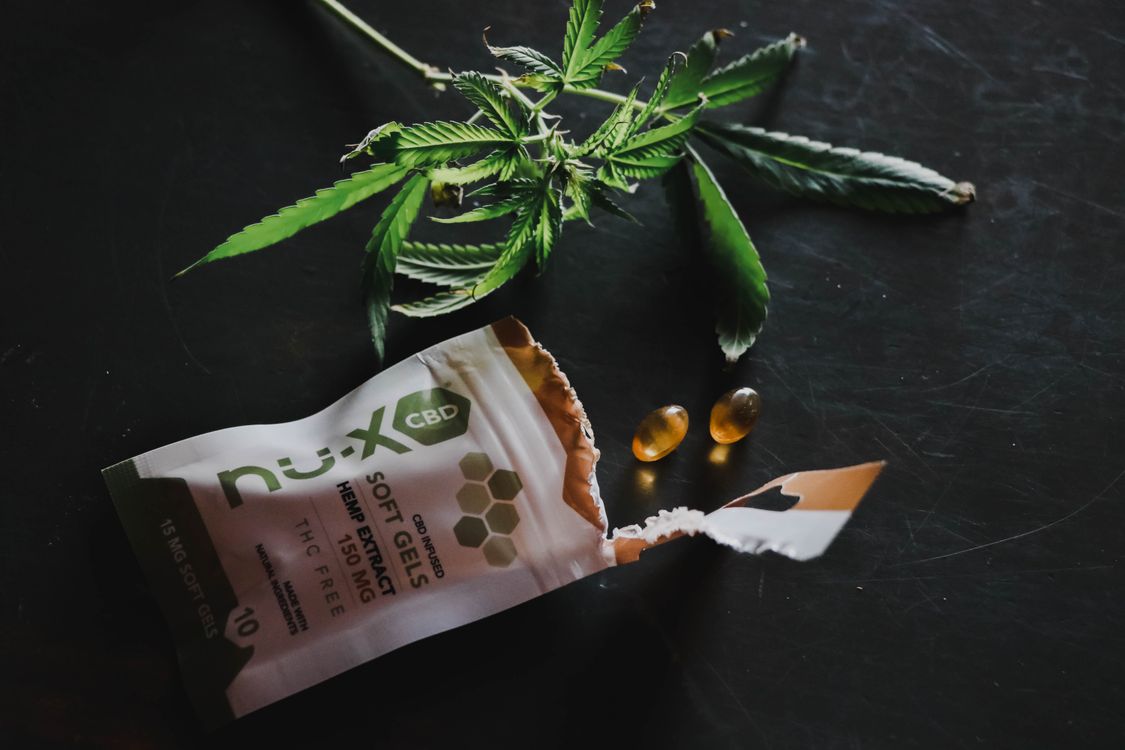
Every cannabis product in Australia displays THC and CBD values on its label. But what do those numbers actually mean? This guide explains what THC and CBD are, how to read potency labels on different product types, how the two cannabinoids interact with each other, and what the difference is between over-the-counter CBD and prescription cannabis in Australia.
What is THC?
THC (tetrahydrocannabinol) is the primary psychoactive compound in cannabis. It is responsible for the “high” — the intoxicating sensation of altered perception, mood elevation and sensory changes that people associate with cannabis use.
How THC works: THC is a partial agonist at CB1 receptors in the brain and central nervous system. When THC binds to these receptors, it disrupts normal neurotransmitter signalling, producing the characteristic cannabis high. The same CB1 pathway also mediates many of THC’s therapeutic effects — particularly pain relief, appetite stimulation and nausea reduction.
In Australia, all THC-containing cannabis products (above 1% THC) are classified as Schedule 4 (prescription medicine) or Schedule 8 (controlled drug) substances under the Therapeutic Goods Act 1989 and require a valid medicinal cannabis prescription.
What is CBD?
CBD (cannabidiol) is a non-intoxicating cannabinoid found in cannabis plants. It does not bind strongly to CB1 receptors and produces no “high” — regardless of the dose.
How CBD works: CBD acts through multiple pathways:
- 5-HT1A serotonin receptors — linked to its anti-anxiety and potential antidepressant properties
- TRPV1 receptors — involved in pain and inflammation signalling
- Inhibition of endocannabinoid reuptake — increases the brain’s own cannabinoid signalling
- Allosteric modulation of CB1 — CBD can reduce the binding efficiency of THC at CB1 receptors, partly explaining why higher CBD content reduces intoxication from THC
In Australia, CBD is available in two regulatory categories:
- Schedule 3 (over the counter): Low-dose CBD products (≤150mg CBD per pack, ≤1% THC) are available from Australian pharmacies without a prescription since 2021
- Schedule 4 (prescription only): Higher-dose CBD products require a medicinal cannabis prescription via the TGA’s Special Access Scheme
How to read the THC and CBD numbers on Australian product labels
Flower and vaporizer cartridges (percentage %)
Potency is shown as a percentage of total weight:
- “22% THC” means 22mg of THC per 100mg (220mg per gram) of flower
- “8% CBD” means 80mg of CBD per gram of flower
| THC % | Potency level |
|---|---|
| Under 5% | Very low |
| 5–10% | Low |
| 10–15% | Low to moderate (beginner range) |
| 15–20% | Moderate |
| 20–25% | High |
| 25%+ | Very high — experienced users only |
Edibles and oils (milligrams mg)
Potency is shown as milligrams per serving or per container:
- “10mg THC per gummy” — each gummy contains 10mg of THC
- “500mg CBD per bottle / 16.7mg per mL” — a 30mL bottle at this concentration provides approximately 16.7mg CBD per 1mL
Beginner dose guidance (edibles/oils):
| THC dose | Expected effect |
|---|---|
| 1–2.5mg | Micro-dose; very mild or imperceptible for most |
| 2.5–5mg | Low; gentle effect; standard beginner starting point |
| 5–10mg | Moderate; noticeable intoxication |
| 10–20mg | Strong; experienced users |
| 20mg+ | Very strong; typically medicinal patients under supervision |
Why are potency figures sometimes shown as ranges?
Natural cannabis flower varies batch to batch due to growing conditions, genetics and harvesting time. Potency is often shown as a range (e.g., “18–24% THC”) to reflect this natural variation.
Extracts, distillates and pharmaceutically manufactured products are more consistent and typically show a single precise figure rather than a range.
The CBD:THC ratio — the most practical number for choosing a product
The CBD:THC ratio describes the relative balance of CBD and THC in a product. For most users, this ratio is the most practically useful single number:
| Ratio | Description | Intoxication |
|---|---|---|
| 20:1 CBD:THC (e.g., 10% CBD / 0.5% THC) | CBD-dominant | None |
| 10:1 CBD:THC | High-CBD, minimal THC | Minimal |
| 4:1 CBD:THC | CBD-leaning balanced | Very mild |
| 1:1 CBD:THC | Balanced | Moderate |
| 1:4 CBD:THC | THC-leaning | Significant |
| THC-only (negligible CBD) | THC-dominant | Strong |
Why does the ratio matter? CBD directly competes with THC at CB1 receptors and has an “entourage effect” that modifies THC’s pharmacology. Higher CBD content reduces the intensity of THC-induced anxiety and intoxication while preserving many therapeutic benefits.
The entourage effect — why cannabinoids work together
Cannabis contains hundreds of bioactive compounds beyond just THC and CBD — including minor cannabinoids (CBN, CBG, CBC, THCV) and terpenes (aromatic compounds responsible for cannabis’s distinctive smell).
The entourage effect is the hypothesis — supported by growing evidence — that these compounds interact synergistically: the combined effect of whole-plant cannabis is greater and more nuanced than isolated cannabinoids alone.
Practically, this means:
- Full-spectrum and broad-spectrum extracts (containing multiple cannabinoids and terpenes) typically produce more nuanced effects than isolated CBD or THC
- The terpene profile of a product significantly influences the character of its effects, independent of THC/CBD levels
- Two products with identical THC percentages can feel quite different depending on their terpene and minor cannabinoid content
THC, CBD and Australian drug testing
Workplace drug testing
Australian workplace drug tests (urine or oral fluid) primarily screen for THC metabolites — not CBD. Pure CBD products (with no THC or trace THC only) are very unlikely to trigger a positive drug test result.
However, full-spectrum CBD products (which contain trace amounts of THC, up to 1%) can, in theory, produce a positive result at high doses or with heavy use, though this is uncommon at standard therapeutic doses.
THC detection windows in urine:
- Casual use (1–2 times/week): 3–7 days
- Regular use (daily): 2–4 weeks
- Heavy daily use: up to 6 weeks
A valid medicinal cannabis prescription does not protect you from workplace drug testing consequences in most Australian workplaces. Discuss this with your employer before starting treatment.
Roadside drug testing
Australian roadside saliva tests detect THC (not CBD). THC is detectable in saliva for:
- 4–12 hours after occasional use
- Up to 72 hours after heavy or daily use
Never drive after using any THC-containing product, even with a valid prescription.
Schedule 3 CBD — what you can buy without a prescription in Australia
Since 2021, Australian pharmacies can sell Schedule 3 CBD products over the counter — no prescription needed. These products are strictly limited:
- Maximum 150mg CBD per pack
- Maximum 1% THC (typically much lower, often <0.1% THC)
- Intended for adults 18+
At these doses, Schedule 3 CBD is suitable for mild wellness applications. For higher therapeutic doses — or for products containing meaningful THC — a prescription is required.
Frequently asked questions
Does a higher THC percentage always mean a better product? No. Higher THC is not inherently better — the right potency depends on your tolerance, the condition being addressed and your sensitivity to intoxication. Many patients achieve excellent results at moderate THC levels (10–15%) combined with CBD.
Can I mix CBD and THC products? Yes — in fact, many patients use CBD oils and THC products together. CBD taken alongside or shortly before THC can moderate intoxication. Discuss with your prescribing doctor.
What’s the difference between THCa and THC on a label? THCa (tetrahydrocannabinolic acid) is the raw, non-intoxicating precursor to THC found in unheated cannabis. When heated (through vaporization or combustion), THCa converts to THC via decarboxylation. Some Australian product labels list THCa separately; the “total THC” figure typically includes the converted THC from THCa.
Is CBD safe to use every day? CBD has a well-established safety profile and is generally considered safe for daily use at therapeutic doses. The TGA and WHO have both concluded that CBD is non-addictive and has low toxicity. However, CBD can interact with some medications via the CYP450 enzyme system — always inform your doctor and pharmacist.
The bottom line
THC and CBD are the two most important cannabinoids on any Australian cannabis product label — but reading them in isolation is only part of the picture. The CBD:THC ratio, the terpene profile and the product format all significantly influence the actual experience.
Start with lower THC and higher CBD if you’re new to cannabis. Work with your prescribing doctor to find the right formulation for your condition.
Browse our full range — all products display THC %, CBD % and terpene profiles where available.
General product information only. Not medical or legal advice.