
Products
Medicinal Cannabis Capsules — Australia Patient Guide (2026)
A complete guide to medicinal cannabis capsules in Australia — how they work, onset and duration differences from other formats, dosing, types available and what TGA-prescribed capsules offer compared to oils and flower.
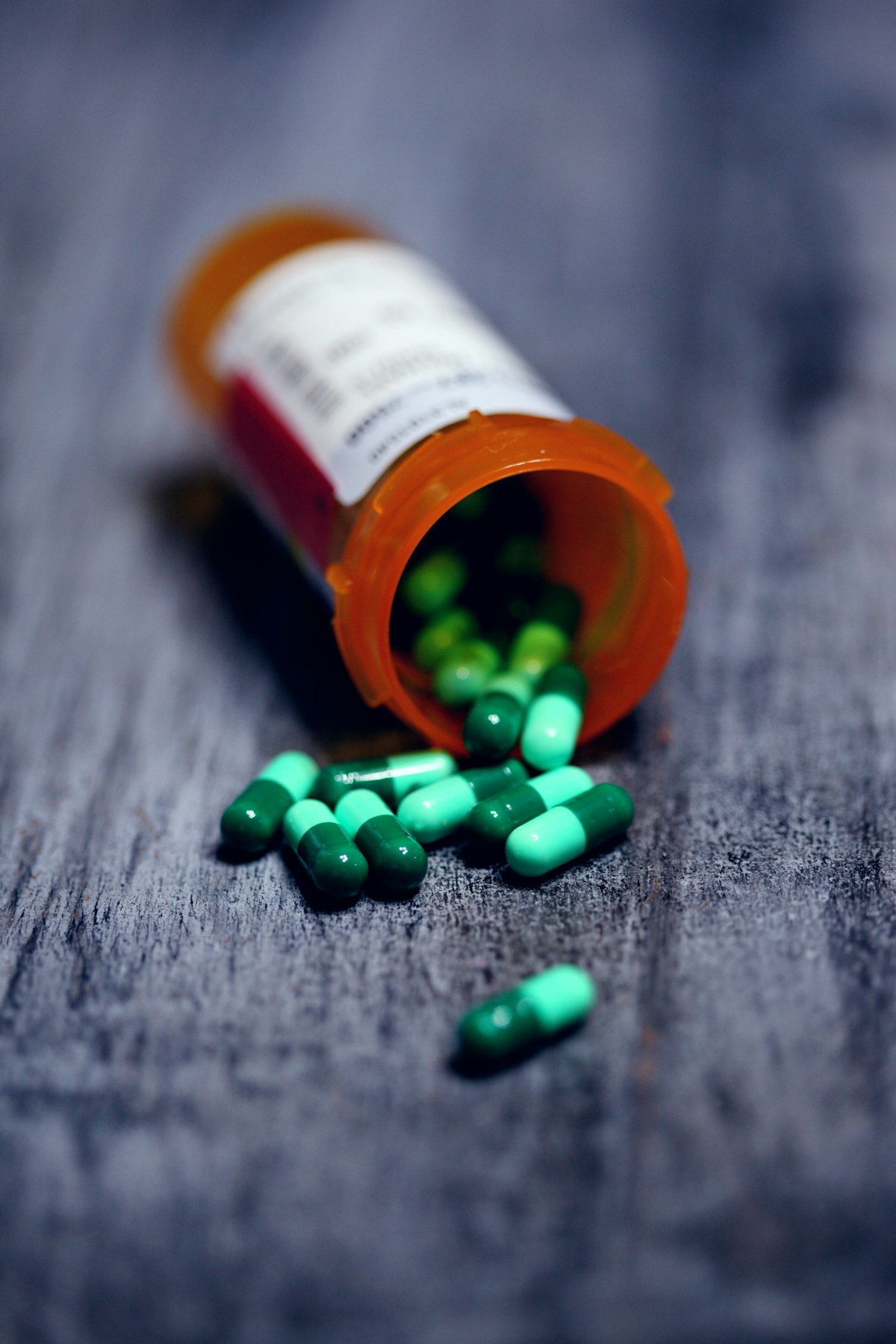
Cannabis capsules are one of the most patient-friendly medicinal cannabis formats available — a familiar pharmaceutical form that is easy to dose, discreet to carry and administer, and provides consistent, predictable effects. For Australian patients who prefer not to vaporize or take sublingual oils, capsules offer a practical alternative with some important pharmacokinetic differences to understand.
How cannabis capsules work
Cannabis capsules contain cannabis extract — either cannabis oil or decarboxylated cannabis material — encapsulated in gelatin or plant-based (vegetarian) shells. When swallowed, the capsule is processed through the digestive system:
The pharmacokinetics:
- Capsule reaches the stomach and dissolves (15–30 minutes)
- Cannabis extract is absorbed through the small intestine into the portal circulation
- First-pass metabolism in the liver converts some THC to 11-OH-THC — a metabolite that is psychoactive and crosses the blood-brain barrier
- Effects onset: 30–120 minutes (much slower than inhaled cannabis)
- Duration: 4–8 hours (significantly longer than inhaled)
- Peak effect: typically 1–3 hours after ingestion
The hepatic first-pass metabolism of THC into 11-OH-THC is important: oral THC is more potent per dose than inhaled THC because 11-OH-THC is more psychoactive than THC itself. This is why oral cannabis (capsules, oils) requires careful dose titration.
Types of cannabis capsules available in Australia
THC-dominant capsules: Highest psychoactive effect; most potent for pain and sleep; typically for evening use in most patients. Dose: usually 2.5–10mg THC for new patients.
Balanced THC:CBD capsules: Combined cannabinoid effect; moderate psychoactivity; suitable for day or evening depending on ratio. Common ratios: 1:1, 1:2, 1:5 (THC:CBD).
CBD-dominant capsules: Low or no psychoactive effect; for daytime anxiety, pain, and inflammation. Appropriate for patients who need to remain functional. Some prescribers start anxious patients on CBD capsules before introducing any THC.
Soft gelatin capsules (soft gels): Oil-filled; may absorb slightly faster than powder-fill hard capsules due to the oil already being in solution.
Hard gelatin/HPMC capsules: Powder or pellet fill; standard pharmaceutical capsule form.
Comparing capsules to other cannabis formats
| Factor | Capsules | Sublingual oil | Vaporized flower |
|---|---|---|---|
| Onset | 30–120 min | 15–45 min | 5–15 min |
| Duration | 4–8 hours | 4–6 hours | 2–3 hours |
| Ease of use | Excellent (familiar) | Good (sublingually tricky) | Requires device |
| Dose precision | High (fixed dose) | Moderate (counting drops) | Lower (variable draw) |
| Discretion | Excellent | Good | Less discreet |
| First-pass effect | Yes (11-OH-THC) | Partial | Minimal |
| Suitable for travel | Excellent | Good | Device required |
Dosing capsules as a new patient
Cannabis capsules require careful titration for new patients due to the delayed onset and extended duration.
Starting dose for new patients:
- Begin with the lowest available dose: typically 2.5–5mg THC or 10–20mg CBD
- Take at a predictable time (evening for THC products; morning for CBD products)
- Wait the full 2 hours before deciding whether to take more
- Keep a dosing diary: dose, time, effects onset, peak, duration, and any side effects
Common new patient error: Taking a second capsule before the first one has taken effect. The delayed onset of oral cannabis leads many new patients to re-dose too early, resulting in an unexpectedly intense experience 2–3 hours later.
Titration: Increase by one dose unit (one capsule) every 3–7 days if the current dose is insufficient. Your prescriber will guide your titration schedule.
Who benefits most from capsules
Ideal for:
- Patients who need long-duration effect coverage (chronic pain throughout the night; sustained anxiety relief during the day for CBD products)
- Patients who are uncomfortable with vaporizing
- Elderly patients familiar with pharmaceutical tablet/capsule formats
- Patients who travel frequently or need discreet administration
- Patients managing insomnia — taking an evening capsule provides 6–8 hour coverage through the night
Less ideal for:
- Breakthrough pain requiring rapid relief (too slow — vaporize instead)
- Patients with variable dosing needs during the day (fixed capsule doses are less flexible than oil drops)
- Patients with gastrointestinal conditions that affect absorption (IBD flare, gastroparesis — absorption may be erratic)
Cannabis capsules and food
Taking cannabis capsules with food — particularly fat-containing food — significantly increases absorption. Cannabis cannabinoids are lipophilic (fat-soluble), and dietary fat enhances their absorption through the intestinal wall. Studies have shown 2–3x higher cannabinoid blood levels when oral cannabis is taken with a high-fat meal vs. fasting.
Practical implications:
- Take your evening pain/sleep capsule with dinner
- If you take daytime CBD capsules, take them with a meal or snack containing some fat
- Be aware that empty-stomach dosing produces lower, later, less predictable effects
Frequently asked questions — cannabis capsules
Are cannabis capsules different from CBD supplement capsules from health food shops?
Yes. TGA-prescribed cannabis capsules are pharmaceutical grade — independently tested, with verified cannabinoid content, produced under GMP standards. Over-the-counter CBD supplements are not pharmaceutical grade and have no TGA quality oversight. For therapeutic use, TGA-prescribed capsules are significantly superior.
Can I open cannabis capsules and mix with food?
Check with your pharmacist — some capsule formulations are designed to be taken intact. Some hard capsules can be opened and mixed with food; others are enteric-coated and should not be opened. Never crush or open soft gels.
How many capsules will I take per day?
This depends on your condition, dose and product. Many patients start with 1 capsule per day (evening) and titrate up based on response. Your prescriber will guide your dosing schedule.
Will cannabis capsules show on a drug test?
Yes. THC-containing capsules will produce positive urine and oral fluid drug tests. CBD-dominant capsules may also produce positive oral fluid tests if they contain trace THC. This applies to workplace and roadside drug tests regardless of your prescription.