
Products
Cannabis Terpenes Explained — Myrcene, Limonene, Linalool, Caryophyllene & More
What are terpenes in cannabis? A complete Australian guide to the major terpenes — myrcene, limonene, linalool, caryophyllene, pinene and terpinolene — their effects, aromas and how to use them when buying cannabis.
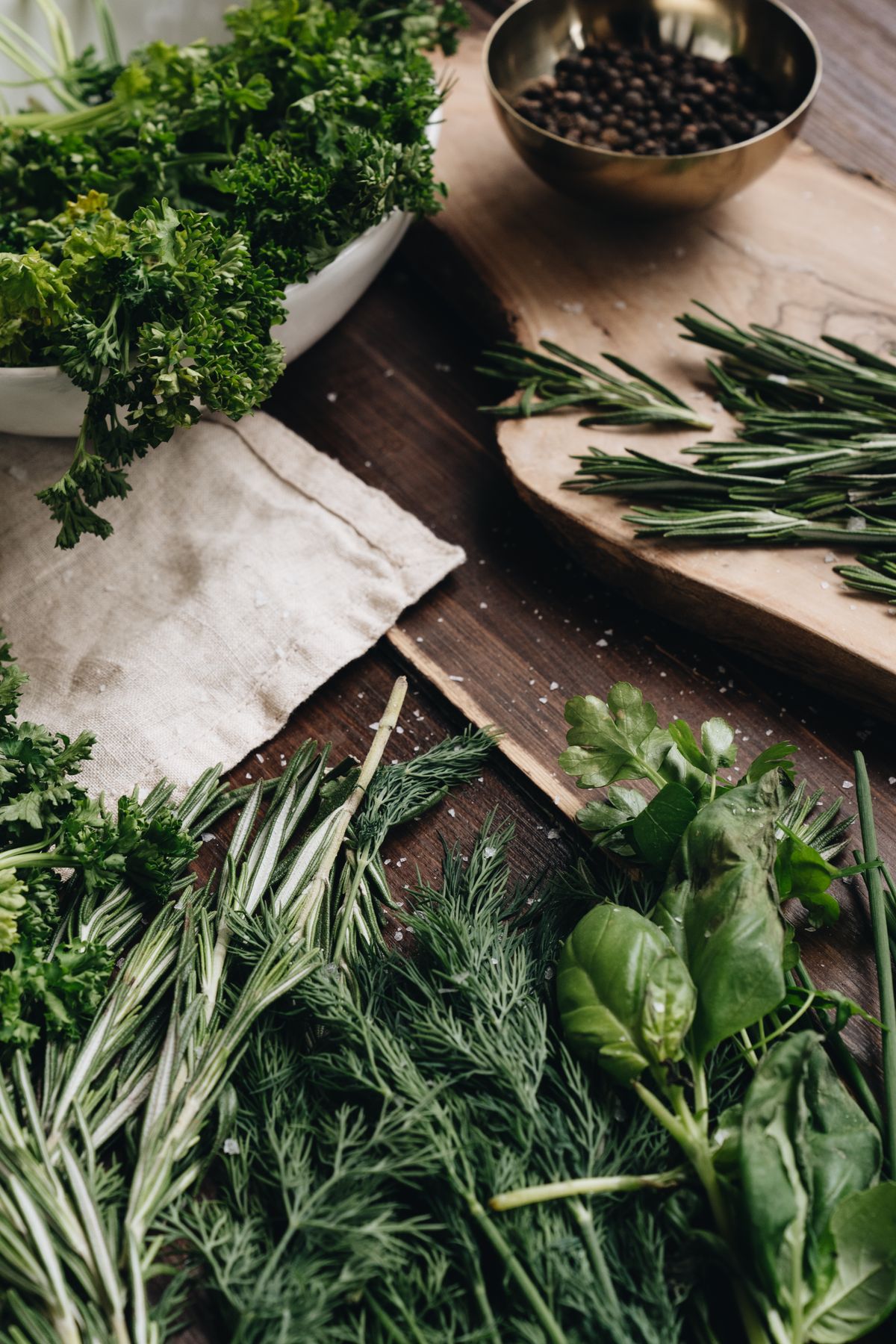
You’ve probably noticed that different cannabis strains smell completely different. Some are earthy and musky. Others burst with citrus or pine. Some smell like a florist, others like a spice rack. That variation isn’t just aesthetic — it’s the terpenes at work, and they have a measurable effect on how cannabis makes you feel.
Terpenes are aromatic compounds found in thousands of plants, from lavender and citrus to black pepper and pine trees. Cannabis produces over 150 terpenes, making it one of the most terpene-rich plants on earth. Understanding them is one of the most useful things you can do when choosing a cannabis product.
What are terpenes and why do they matter?
Terpenes evolved in plants primarily as defence mechanisms — attracting pollinators, repelling insects and fungi, and protecting against environmental stress. In cannabis, they’re produced in the same glands (trichomes) as THC and CBD.
Beyond aroma, terpenes interact with the human body directly:
- Some cross the blood-brain barrier and interact with neurotransmitter systems
- Several modulate mood, alertness and sedation independently of cannabinoids
- Terpenes interact with cannabinoids in what researchers call the entourage effect — a synergy where the whole plant produces different effects than isolated THC or CBD alone
This is why two products with identical THC percentages can feel completely different: the terpene profile shapes the experience.
How to read a terpene profile
Good cannabis retailers — and all medicinal cannabis products in Australia — include terpene profiles on product labels or certificate of analysis (COA) documents. You’ll typically see:
- Total terpene content (%) — usually 1–4% for quality flower
- Individual terpenes listed in order of concentration — the first terpene listed is the dominant one
- Percentage or mg/g for each terpene
When browsing cannabis products, use the dominant terpene as a starting point for predicting effect, then layer in the THC:CBD ratio and product type.
The major cannabis terpenes — effects, aromas and what to expect
Myrcene
Aroma: Earthy, musky, herbal — like ripe mangoes or fresh hops
Found in: Most indica-dominant strains; also in mangoes, hops, thyme
Effects: Myrcene is the most common terpene in cannabis and has the most sedative effects of any major terpene. It’s a muscle relaxant and mild analgesic, and research suggests it enhances THC’s ability to cross the blood-brain barrier — potentially increasing psychoactive potency. Strains above ~0.5% myrcene are typically more couch-locking.
Best for: Sleep, pain relief, muscle tension, evening relaxation
Avoid if: You need to stay alert and productive
Limonene
Aroma: Citrus — lemon, orange, grapefruit
Found in: Many sativa-dominant and hybrid strains; also in citrus rind, cleaning products
Effects: Limonene produces mood elevation and stress relief with an energising rather than sedating character. Animal studies show anxiolytic (anti-anxiety) and antidepressant effects. Limonene is also under investigation for anti-tumour properties. The citrusy aroma of a strain is one of the easiest terpene indicators to recognise.
Best for: Daytime use, mood enhancement, anxiety relief without sedation, social settings
Avoid if: You’re looking for a sleep aid or deep body relaxation
Linalool
Aroma: Floral, slightly spicy — like lavender
Found in: Certain indica and hybrid strains; also in lavender, rosewood, coriander
Effects: Linalool is the terpene behind lavender’s well-known calming properties. It modulates GABA receptors — the same pathway targeted by benzodiazepines, but without the dependency risk — and has documented anticonvulsant, anti-anxiety and sedative effects. It’s particularly useful in products aimed at anxiety and sleep.
Best for: Anxiety, sleep, PTSD, relaxation
Avoid if: You need stimulation or daytime focus
Caryophyllene
Aroma: Peppery, spicy, woody, clove-like
Found in: Many strains across all categories; also in black pepper, cloves, cinnamon, hops
Effects: Caryophyllene is unique among cannabis terpenes: it is the only terpene that directly binds to the endocannabinoid system, specifically CB2 receptors. This makes it a functional cannabinoid as well as a terpene. CB2 activation reduces inflammation and immune activity. It has demonstrated anti-inflammatory, analgesic and gastroprotective properties. Some research suggests it may reduce alcohol craving.
Best for: Chronic pain, inflammation, arthritis, stress, anxiety
Note: The “pepper trick” — sniffing or chewing black pepper — is sometimes used to reduce THC-induced anxiety. This works because black pepper is high in caryophyllene, which modulates CB2 receptors and may reduce overstimulation of CB1.
Pinene
Aroma: Pine needles, fresh forest air, rosemary
Found in: Pine-scented strains; also in pine trees, rosemary, basil, dill
Effects: Alpha-pinene and beta-pinene are the most common terpenes in nature. In cannabis, pinene acts as a bronchodilator (may improve airflow to the lungs), has anti-inflammatory properties and acts as an acetylcholinesterase inhibitor — meaning it may counteract THC’s short-term memory effects. Pinene tends to produce alert, energised effects and may offset some of the fogginess associated with high-THC use.
Best for: Daytime alertness, focus, respiratory conditions, counterbalancing THC memory effects
Avoid if: You’re sensitive to stimulating effects
Terpinolene
Aroma: Fresh, piney, floral, with herbal and citrus undertones — complex and hard to pin down
Found in: Some sativa-dominant and hybrid strains; also in nutmeg, tea tree, apples, conifers
Effects: Terpinolene is one of the rarer primary terpenes in cannabis — most strains contain only trace amounts. When it is the dominant terpene, strains are typically described as uplifting, creative and slightly sedating at higher doses. It has mild antioxidant, antimicrobial and sedative properties. Not as widely researched as myrcene or limonene, but distinctive enough to recognise.
Best for: Creative activities, moderate relaxation, daytime use
Ocimene
Aroma: Sweet, herbal, woody, slightly citrus
Found in: Some strains; also in mint, parsley, basil, orchids
Effects: Ocimene is primarily antifungal and antiviral in plant biology. In humans, it may produce uplifting effects and is sometimes described as a “social terpene.” Less studied than other major terpenes, but noticeable in strains where it’s dominant.
Best for: Daytime use, social situations
Humulene
Aroma: Earthy, woody, hoppy — similar to beer
Found in: Some strains; also in hops, ginger, coriander
Effects: Humulene has documented anti-inflammatory properties and appears to suppress appetite — unusual for a cannabis terpene, since most cannabis products increase appetite. Some research suggests anti-tumour activity. Good choice for patients who want pain or inflammation management without increased appetite.
Best for: Inflammation, pain, patients concerned about appetite stimulation
Terpene-based product guide
| Goal | Look for these terpenes | Avoid |
|---|---|---|
| Sleep | Myrcene, linalool, terpinolene | Limonene, pinene |
| Anxiety | Linalool, caryophyllene, limonene | High myrcene (too sedating), high THC |
| Pain | Caryophyllene, myrcene, humulene | — |
| Energy / focus | Pinene, limonene, terpinolene | Myrcene, linalool |
| Appetite | Myrcene, limonene | Humulene |
| Social / mood | Limonene, ocimene | High myrcene |
| Inflammation | Caryophyllene, humulene, pinene | — |
The entourage effect: why whole-plant matters
For decades, cannabis research focused almost exclusively on THC as the active compound. The discovery of CBD’s therapeutic role prompted a broader look — and researchers found that the sum of cannabis’s parts produces effects different from any single component.
Linalool + THC produces different sedation than THC alone. Caryophyllene + CBD may produce greater anti-inflammatory effects than CBD alone. Limonene appears to modulate the psychoactivity of THC, reducing anxiety at the same dose.
This is why full-spectrum and broad-spectrum products are generally preferred by medicinal cannabis prescribers over CBD isolate — the terpenes and minor cannabinoids are retained, preserving the entourage effect.
When choosing between a full-spectrum and isolate product for the same condition, choose full-spectrum unless you have a specific reason not to (drug testing, very precise dose requirements, or specific sensitivity to a terpene).
How terpenes are preserved in cannabis products
Not all products retain their terpene content equally:
High-terpene products:
- Fresh or cured flower (vaped, not combusted)
- Live resin and live rosin concentrates (extracted without heat from fresh-frozen plant material)
- Full-spectrum oils and tinctures
- High-quality broad-spectrum extracts
Lower-terpene products:
- Distillate oils (highly refined, most terpenes stripped during extraction)
- Some edibles (heat during cooking degrades terpenes)
- Cannabis that has been improperly stored (heat, light and air degrade terpenes rapidly)
Storage tip: Store cannabis flower in an airtight glass jar away from light and heat. Terpene degradation is one of the primary reasons properly stored cannabis tastes and effects better than poorly stored product of the same strain.
Reading a terpene profile when buying cannabis
When you see a product listing terpene data, here’s how to use it:
- Find the dominant terpene — listed first, highest concentration. This is the primary effect driver.
- Check the secondary terpene — the second compound often modifies or amplifies the first.
- Cross-reference with your goal — use the table above.
- Note total terpene content — products with 2%+ total terpenes tend to be more aromatic and often more effective than low-terpene products.
- Trust your nose — your olfactory response to a terpene profile can correlate with how your body responds to it. If a strain smells appealing, it’s often a useful signal.
Browse products by strain type in our strains guide or read our cannabis strains overview to match terpene profiles with specific strain categories.
Frequently asked questions
What are terpenes in weed? Terpenes are aromatic compounds in cannabis (and many other plants) that give each strain its distinctive smell and contribute to its effects. They work alongside cannabinoids like THC and CBD rather than independently.
Do terpenes get you high? No — terpenes are not psychoactive in the same way THC is. However, they modulate how THC and CBD affect you. Myrcene enhances THC’s sedative effects; limonene may reduce THC-induced anxiety; pinene can counteract short-term memory effects.
Which terpene is best for sleep? Myrcene and linalool are the most sedative terpenes. Look for indica-dominant strains where these are the dominant terpenes. Read our cannabis for sleep guide for product recommendations.
Which terpene is best for anxiety? Linalool (lavender-scented), caryophyllene (peppery) and limonene (citrus) all show anti-anxiety activity. For anxiety specifically, high-CBD products with these terpenes are preferred. Read our guide to cannabis for anxiety.
Are terpene profiles listed on Australian cannabis products? All medicinal cannabis products in Australia include a Certificate of Analysis (COA) listing terpene content. Many retail cannabis products also list terpene data. When in doubt, ask for the COA from your retailer.
Why does the same strain smell different from different suppliers? Terpene content varies based on growing conditions (light, temperature, humidity), harvest timing, curing method and storage. A strain name (e.g. “OG Kush”) describes the genetics, not the terpene content of a specific crop — two sources of the same strain can smell and feel quite different.