
Products
Cannabis Carts vs Flower in Australia — Which Is Right for You? (2026)
Cannabis oil cartridges and dry herb flower are the two most popular inhalation formats in Australia's medicinal market. A complete comparison of vape carts vs flower — potency, convenience, cost, flavour, health considerations, and which suits different patient needs.
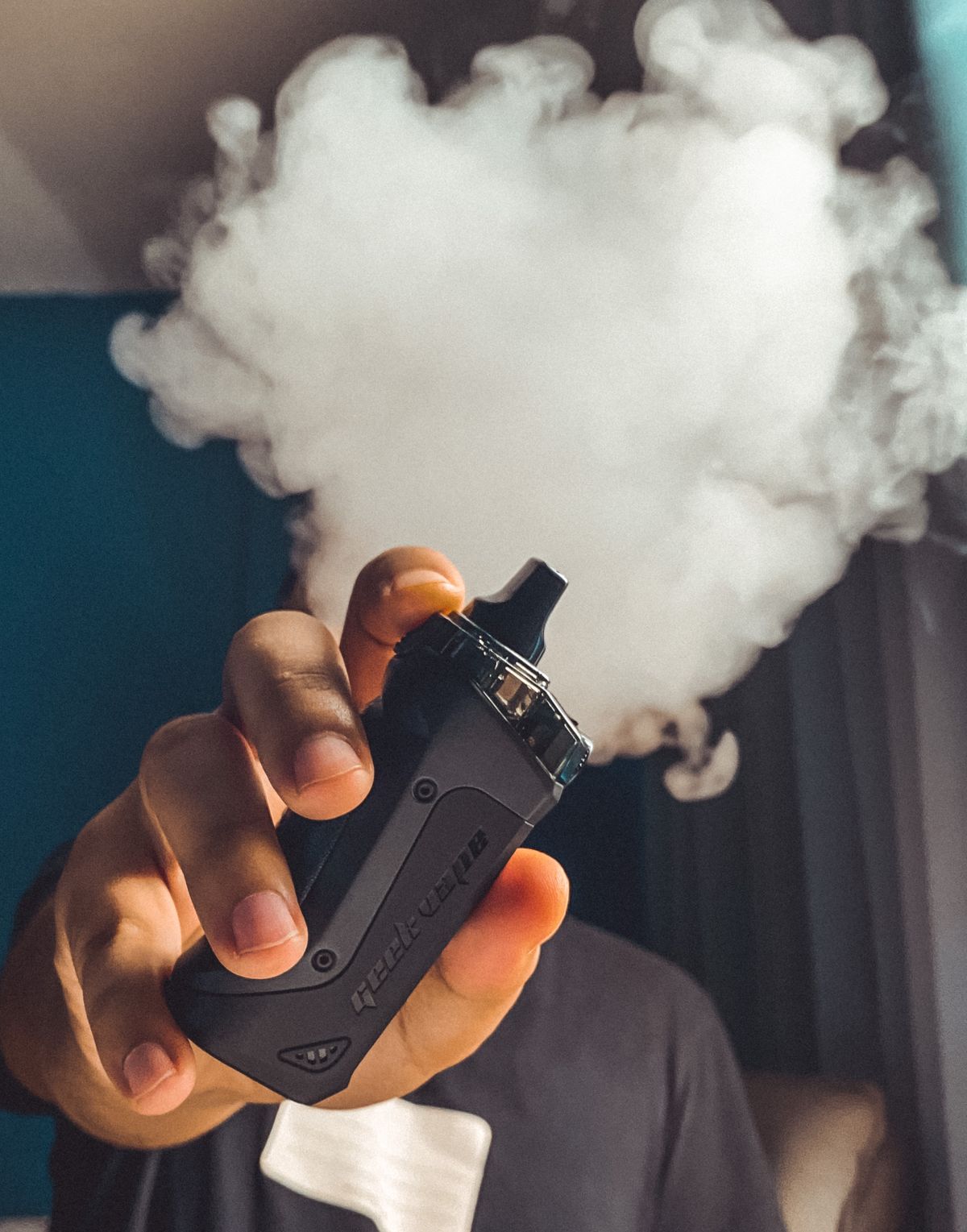
When Australian medicinal cannabis patients first explore inhalation as a delivery method, they encounter two main options: vaporiser oil cartridges (carts) or dried cannabis flower. Both deliver cannabinoids by inhalation, both have rapid onset, and both are widely available through TGA prescription — but they differ significantly in almost every other respect.
This guide compares carts and flower across the key dimensions that matter to medicinal patients: potency, flavour, convenience, cost, health profile, equipment needed, discretion, and how to choose based on your specific therapeutic needs.
What are cannabis oil cartridges?
Cannabis oil cartridges (also called vape carts or 510 carts) are pre-filled, disposable cartridges containing cannabis oil — typically distillate, CO₂ oil, or live resin — in a concentrated form. They attach to a compatible battery device via a standard 510-thread connection (or proprietary pod system).
The battery heats the oil to vaporisation temperature, producing vapour that is inhaled. No grinding, no loading, no cleaning. Draw from the mouthpiece and you’re done.
Standard specifications:
- Oil volume: 0.5ml or 1ml cartridges
- THC content: typically 60–85% (some live resin carts 50–75%)
- Battery voltage: typically 3.3V (adjustable on most batteries, 2.2–4.0V range)
- Compatibility: 510-thread batteries (universal standard) or brand-specific pods
What is cannabis flower?
Cannabis flower (also called bud or herb) is the dried, cured flower of the cannabis plant — the “classic” form of cannabis. In Australia’s medicinal market, flower is sold in 1g, 5g, 10g, 15g, or 30g packaging with labelled cannabinoid content.
Flower is consumed by loading a small amount (typically 0.1–0.3g per session) into a dry herb vaporiser, which heats it to vaporisation temperature. It can also be rolled into a pre-roll or joint (for combustion — less recommended medically).
Typical specifications:
- THC content: 10–30% (varies by strain and cultivar)
- CBD content: from trace amounts to 15%+ in CBD-dominant varieties
- Form: whole buds or ground flower
Head-to-head comparison
Potency
Carts: Very high. Cannabis oil in carts is concentrated to 60–85%+ THC. A 1-second draw from a cart delivers a significant dose — 3–10mg THC depending on voltage and oil viscosity.
Flower: Moderate. Flower at 20% THC contains 200mg THC per gram. A typical vaporiser load of 0.15g contains ~30mg THC — but vaporiser extraction efficiency is 30–70%, so effective delivery per session is 10–20mg across multiple draws.
Verdict: Carts are significantly more potent per draw. This is an advantage for experienced patients who need high-potency dosing; it’s a risk for new patients who may inadvertently take very high doses. Flower’s lower per-draw potency gives beginners more control.
Flavour and terpene profile
Carts: Highly variable. Distillate carts have minimal flavour unless terpenes are added back (which is common but produces an artificial, sometimes overpowering taste). Live resin carts have the most authentic, strain-specific flavour of any vaporised product. CO₂ oil carts are typically mild.
Flower: The most flavour-complex option. Fresh, properly stored flower in a quality dry herb vaporiser produces vapour that closely reflects the strain’s true terpene profile — fruity, earthy, floral or spicy. For flavour enthusiasts, flower in a vaporiser wins by a clear margin.
Verdict: Flower wins for terpene authenticity. Live resin carts are the closest competitor. Standard distillate carts are the weakest on flavour.
Convenience
Carts: Extremely convenient. Attach to battery, draw, done. No grinding, no loading, no cleaning. Small enough to pocket. Ready in seconds.
Flower: Requires a grinder and a vaporiser. Loading the oven takes a minute; cleaning takes 5–10 minutes. Less grab-and-go than carts.
Verdict: Carts win significantly on convenience. For patients who need quick, reliable access to medication during the day — at work, when travelling, or in public — carts are far more practical.
Equipment needed
Carts: A 510-thread battery (~$20–$80 AUD) or a pod system specific to the cart brand. Very low upfront cost.
Flower: A quality dry herb vaporiser ($80–$650 AUD depending on model). Higher upfront investment, but no ongoing cartridge costs.
Verdict: Carts have a lower equipment entry cost. Flower has higher upfront device cost but lower ongoing per-gram cost.
Cost per dose
This comparison is important and often misunderstood.
| Format | Typical cost | THC per unit | Cost per 10mg THC |
|---|---|---|---|
| 1ml distillate cart (80% THC) | ~$60–$90 AUD | ~800mg THC | ~$1.00–$1.10 |
| 1ml live resin cart (65% THC) | ~$80–$120 AUD | ~650mg THC | ~$1.20–$1.80 |
| 5g flower (20% THC, ~50% extraction efficiency) | ~$60–$100 AUD | ~500mg effective THC | ~$1.20–$2.00 |
Distillate carts are often slightly more cost-efficient per mg of delivered THC than flower when vaporiser extraction losses are factored in. Live resin carts and premium flower are comparable. The calculation shifts in flower’s favour with a very efficient vaporiser (like the Storz & Bickel Mighty+).
Verdict: Carts and flower are reasonably comparable in cost per effective dose, with distillate carts slightly ahead for pure cost efficiency.
Health profile
Carts: Generally considered a clean delivery method. However, some concerns exist around:
- The cutting agents used in some cartridges (specifically vitamin E acetate, associated with EVALI lung disease in the US black market — not an issue for TGA-licensed products)
- Heavy metals from low-quality heating elements leaching into vapour (not an issue for reputable brands)
- The higher-temperature delivery of some carts
For TGA-licensed medicinal cannabis carts from reputable producers, health risks are low.
Flower: When used in a quality dry herb vaporiser, flower is considered the cleanest inhalation method — vapour from properly vaporised flower at low temperatures contains minimal combustion byproducts. However, if combusted (rolled into a joint), flower produces smoke with all its associated respiratory risks.
Verdict: High-quality vaporised flower in a reputable device has the cleanest health profile. TGA-licensed carts are also safe but with the caveats above. Always buy from licensed Australian medicinal cannabis producers — not from unregulated sources.
Discretion
Carts: Highly discreet. No aroma at rest; vapour dissipates rapidly with little smell. Small form factor. Indistinguishable from nicotine vaping devices.
Flower: Less discreet. Loaded dry herb vaporisers have some aroma at rest; vapour has a distinctive cannabis smell (though much milder than smoke). Vaporiser devices are larger and more obviously associated with cannabis.
Verdict: Carts are significantly more discreet — relevant for patients who need to medicate in workplace or social settings.
Drug driving considerations
Both formats involve THC inhalation and are subject to Australia’s zero-tolerance drug driving laws. There is no meaningful difference in drug driving risk between carts and flower — both deliver THC that will be detectable in oral fluid for 4–24+ hours depending on frequency of use. Do not drive after using either.
Which should you choose?
Choose carts if:
- Convenience is your top priority
- You need to medicate discreetly in public or work settings
- You don’t want to invest in a vaporiser device
- You’re an experienced cannabis patient comfortable with high-potency products
- You travel frequently and want a compact, TSA/airport-portable option
Choose flower if:
- Flavour and terpene authenticity matter to you
- You want the cleanest possible vapour (and already have or are willing to invest in a quality vaporiser)
- You prefer the lower-per-draw potency for dose control
- Cost efficiency over time is a priority
- You want maximum control over temperature (different temperatures unlock different terpenes and cannabinoids)
Use both if: Many Australian medicinal patients maintain both formats — flower in a home vaporiser for daily therapeutic use where flavour and health profile are the priority, and carts for on-the-go discretion and convenience. This is a common approach that maximises the benefits of each format.
Frequently asked questions — carts vs flower in Australia
Can I use any battery with my medicinal cannabis cart? Most Australian medicinal cannabis carts use the universal 510-thread standard — compatible with any 510 battery. Some brands use proprietary pod systems. Check compatibility before purchasing a battery separately from carts.
Are vape carts bad for lungs? TGA-licensed medicinal cannabis carts from reputable producers are generally considered safe for lung health — significantly safer than smoking. The EVALI outbreak in 2019 was linked to illicit market vape products containing vitamin E acetate, not regulated medicinal cannabis products. Buy only TGA-licensed products.
What is the difference between a 510 cart and a pod? 510 carts are the universal standard — any cart screws onto any 510 battery. Pods are proprietary: they only work with the specific brand’s device (similar to JUUL vs generic e-cigarette). Pods are often more secure and leak-proof; 510 carts offer more brand flexibility.
How long does a 1ml cart last? Highly variable — depends on draw frequency, draw duration, voltage settings, and the individual’s tolerance. Typical medicinal patient use: a 1ml cart (at moderate use) lasts 1–3 weeks.
Can I get full-spectrum carts in Australia? Yes. Full-spectrum cannabis oil carts (containing the full range of cannabinoids and terpenes rather than isolated or near-isolated distillate) are available through the Australian TGA medicinal market. Live resin carts and some CO₂ oil products are effectively full-spectrum for practical purposes.