
Products
Cannabis Concentrates in Australia — Wax, Shatter, Rosin, Distillate & More (2026)
Cannabis concentrates are the most potent forms of cannabis available in Australia's medicinal market. A complete 2026 guide to the different types — wax, shatter, rosin, distillate, BHO — how they're made, and how to use them safely.
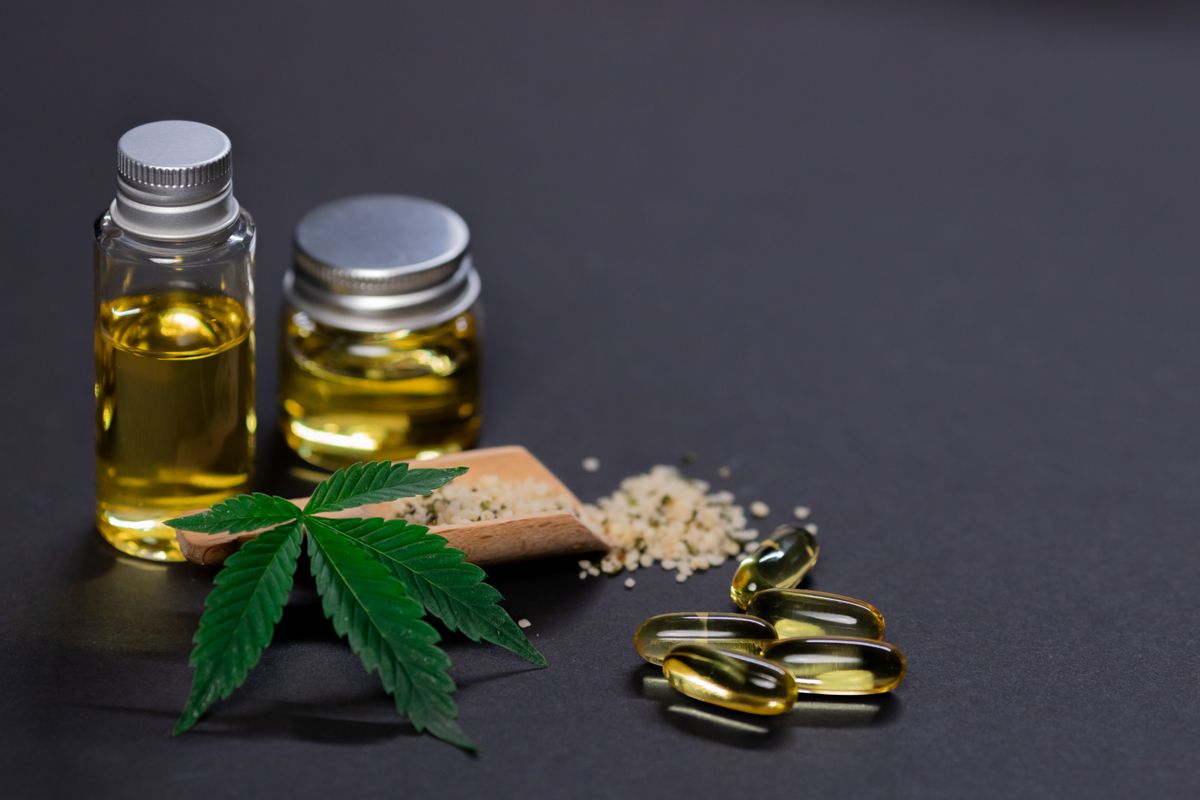
Cannabis concentrates are extracts of the cannabis plant that contain significantly higher concentrations of cannabinoids and terpenes than flower — often 60–90%+ THC compared to 15–30% in dried flower. They represent the most potent forms of cannabis medicine available and are an increasingly significant part of Australia’s medicinal cannabis market.
This guide maps the full landscape of cannabis concentrates — what each type is, how it’s made, its potency and character, how to consume it, and how to access each type through Australia’s TGA framework in 2026.
What are cannabis concentrates?
Cannabis concentrates are produced by extracting the active compounds — cannabinoids, terpenes, flavonoids — from cannabis plant material and removing the plant matter itself. The result is a product with a far higher density of active compounds per gram than flower.
The concentration process takes two broad approaches:
- Solvent-based extraction: Using a chemical solvent (butane, propane, CO₂, ethanol) to dissolve and carry cannabinoids and terpenes from the plant material, then purging or evaporating the solvent
- Solventless extraction: Using physical processes — heat, pressure, ice water — to separate trichomes from plant material without chemicals
Both methods produce concentrates, but with different purity profiles, terpene retention, and safety considerations.
Types of cannabis concentrates
Distillate
The most common cannabis concentrate in Australia’s medicinal market. Distillate is a highly refined oil produced through molecular distillation — a multi-stage process that purifies cannabinoids to very high purity, typically 85–99% THC or CBD.
Characteristics:
- Near-tasteless and odourless (terpenes are stripped during distillation)
- Extremely high potency per mg
- Consistent, predictable effects
- Versatile — used in vaporiser cartridges, capsules, edibles, and topicals
Use in Australia: Distillate is the base ingredient in most vaporiser cartridges, capsules and edible products in the Australian medicinal market. The tastelessness is an advantage for oral products; it’s a disadvantage for vaporising where flavour matters. Some distillate vaporiser products add terpenes back post-distillation.
Why terpenes matter with distillate: Distillate stripped of terpenes lacks the entourage effect that whole-plant extracts may provide. Terpene-infused distillate products attempt to reintroduce this but typically use botanical (non-cannabis) terpenes rather than cannabis-derived ones. The therapeutic significance of this distinction is debated.
CO₂ oil
Produced using supercritical CO₂ — carbon dioxide at specific temperature and pressure combinations that give it solvent-like properties. CO₂ extraction is considered cleaner than hydrocarbon extraction because CO₂ is a natural, food-safe substance that leaves no residue.
Characteristics:
- Good terpene retention (better than ethanol, less than live resin)
- Medium-to-high potency (~50–80% THC)
- Clean profile — commonly used in regulated medicinal markets
- Available in vaporiser cartridges and oral oils
CO₂ oil is common in the Australian medicinal market and is the base for many sublingual oil products.
BHO — Butane Hash Oil
BHO is produced by passing butane (a hydrocarbon gas) through cannabis plant material to dissolve cannabinoids and terpenes, then purging the butane under vacuum heat. The final product varies dramatically in texture depending on how the extract is handled post-purge.
BHO textures and forms:
- Shatter: Glass-like, brittle, transparent amber concentrate. Very high purity. Breaks into shards when handled cold, becomes tacky at room temperature.
- Wax: Opaque, soft, waxy consistency. Easier to handle than shatter.
- Badder/Batter: Creamy, whipped texture. Usually higher terpene content than shatter.
- Crumble: Dry, honeycomb-like texture. Easy to handle and dose.
- Sugar: Wet, crystalline texture resembling brown sugar. Usually high terpene content.
Safety note: BHO production is dangerous and illegal outside licensed facilities in Australia. The production process involves flammable gases and has caused explosions when attempted in home settings. Do not attempt to produce BHO.
Availability in Australia: Some BHO concentrates are available through the Australian medicinal market from licensed producers with appropriate extraction licences. Primarily in vaporiser cartridge form.
Live resin
Fresh-frozen cannabis extraction that preserves the maximum terpene content. Covered in detail in our live resin guide.
Key distinction from other BHO: The difference is the starting material — fresh-frozen plant vs dried/cured plant. Live resin’s superior terpene content makes it the preferred option for vaporising where flavour and entourage effect are priorities.
Rosin
The only widely available solventless concentrate. Produced by applying heat and pressure to cannabis flower (or hash) using rosin press equipment — essentially squeezing out the trichome-rich oil.
Characteristics:
- Solventless — no chemical extraction
- Considered the purest form of concentrate by many patients
- Strong terpene preservation (particularly when produced at low temperatures)
- Potency: 60–80%+ THC depending on starting material
- Can be produced from flower (lower yield) or hash (higher yield, purer)
Availability in Australia: Limited but growing. Some TGA-licensed producers offer rosin as a dispensary concentrate. The lower yield of rosin production (compared to solvent extraction) makes it more expensive per gram.
Hash (hashish)
One of the oldest cannabis concentrates. Produced by separating trichomes (the resin glands that contain cannabinoids and terpenes) from plant material, then pressing them into a solid form.
Methods:
- Hand-rubbed hash: Traditional technique; resin collected by rubbing fresh cannabis between hands and rolling into balls. Less refined.
- Dry sift / kief: Trichomes sieved from dry cannabis flower through a fine mesh. The resulting kief powder can be pressed into hash.
- Ice water hash (bubble hash): Trichomes separated using ice-cold water and fine-mesh filter bags. Purer result with better terpene preservation. Premium bubble hash (full melt) is increasingly valued similarly to live resin.
Availability in Australia: Limited. Some TGA-licensed producers offer hash products. Bubble hash and full-melt hash appear occasionally in the medicinal market.
Kief
The simplest form of concentrate — the fine, powdery trichome material that sifts off cannabis flower. Collected in the bottom chamber of a 4-piece grinder over time, or produced intentionally through dry sift techniques.
Potency: 40–60% THC depending on quality. Used to top flower in a vaporiser or pre-roll bowl, or pressed into hash.
How to consume cannabis concentrates
Vaporiser cartridges (510-thread and pods)
The most accessible way to consume concentrates in Australia. Distillate, CO₂ oil, and live resin are loaded into pre-filled vaporiser cartridges compatible with standard battery devices. This format requires no special equipment beyond a compatible battery.
Temperature recommendation: 2.2–2.8V for most carts; lower voltage for live resin to protect terpenes.
Dab rigs
The traditional concentrate consumption method. A dab rig is a water pipe with a “nail” or “banger” (a heated surface) that vaporises concentrates on contact. The nail is heated with a torch and allowed to cool to target temperature before applying a small amount of concentrate.
Not a common or recommended method for new patients — requires specific equipment, technique, and results in very high doses. Better suited to experienced patients who have established their tolerance.
E-nails and electronic dab devices
Electronic versions of the dab rig that maintain precise temperature without a torch. More controlled than traditional dab rigs. The Puffco Peak and similar devices are popular in markets where concentrates are more commonly available.
Adding to flower in a vaporiser
Kief and crumble concentrates can be added to ground flower in a dry herb vaporizer oven to increase potency. Load a base of flower, add a small amount of concentrate on top, and vaporise as normal. The concentrate should melt and vaporise evenly at standard vaporiser temperatures.
Concentrates and potency — dosing safely
Concentrates are significantly more potent than flower. A standard puff from a vaporiser loaded with flower might deliver 2–5mg THC; the same draw from a concentrate vaporiser cartridge might deliver 5–20mg.
For patients new to concentrates:
- Start with one very short draw (1 second)
- Wait 15–20 minutes before assessing effect
- Remember that concentrate effects can take a few minutes to fully manifest
- The rule “less is more” applies particularly strongly to concentrates
The risk of overconsumption: Very high-dose THC experiences — panic, rapid heart rate, paranoia, derealization — are uncommon with properly dosed medicinal cannabis but can occur with concentrates in patients who misjudge their dose. If this happens: stay in a safe place, remind yourself the effect is temporary (typically 1–3 hours for inhaled), and call someone you trust or the ADF Drug Information Line (1300 85 85 84) if concerned.
Frequently asked questions — cannabis concentrates in Australia
Is wax or shatter legal in Australia? Cannabis concentrates are legal in Australia as medicinal cannabis products with a valid TGA SAS-B prescription. They cannot be legally purchased recreationally. Producing concentrates (particularly BHO) at home is illegal and dangerous.
What is the strongest concentrate type? Distillate and THCA crystalline achieve the highest purity — 95–99%+ cannabinoid content. Live resin and rosin are typically 60–80% but with far greater terpene complexity.
Can I dab medicinal cannabis in Australia? There is no legal prohibition on the method of consuming your prescribed medicinal cannabis (the prescription doesn’t specify consumption method in most cases). However, dab rigs are not TGA-approved medical devices. In practice, most patients who prefer concentrate inhalation use vaporiser cartridges rather than traditional dab equipment. Discuss consumption methods with your prescribing doctor.
How do concentrates compare in cost to flower? On a per-mg-of-THC basis, concentrates are often more cost-efficient than flower despite higher per-gram pricing — because their potency means you use significantly less material per session. A 1g vaporiser cartridge at 70% THC (700mg THC) typically delivers more sessions than 3–4g of 20% THC flower (600–800mg THC).