
Products
Cannabis Dosing Guide for Australia — Start Low, Go Slow (2026)
Getting your cannabis dose right is the most important factor in medicinal success. This complete 2026 guide covers starting doses for THC and CBD, titration principles, dosing by condition, route-of-administration differences, and what to do if you take too much.
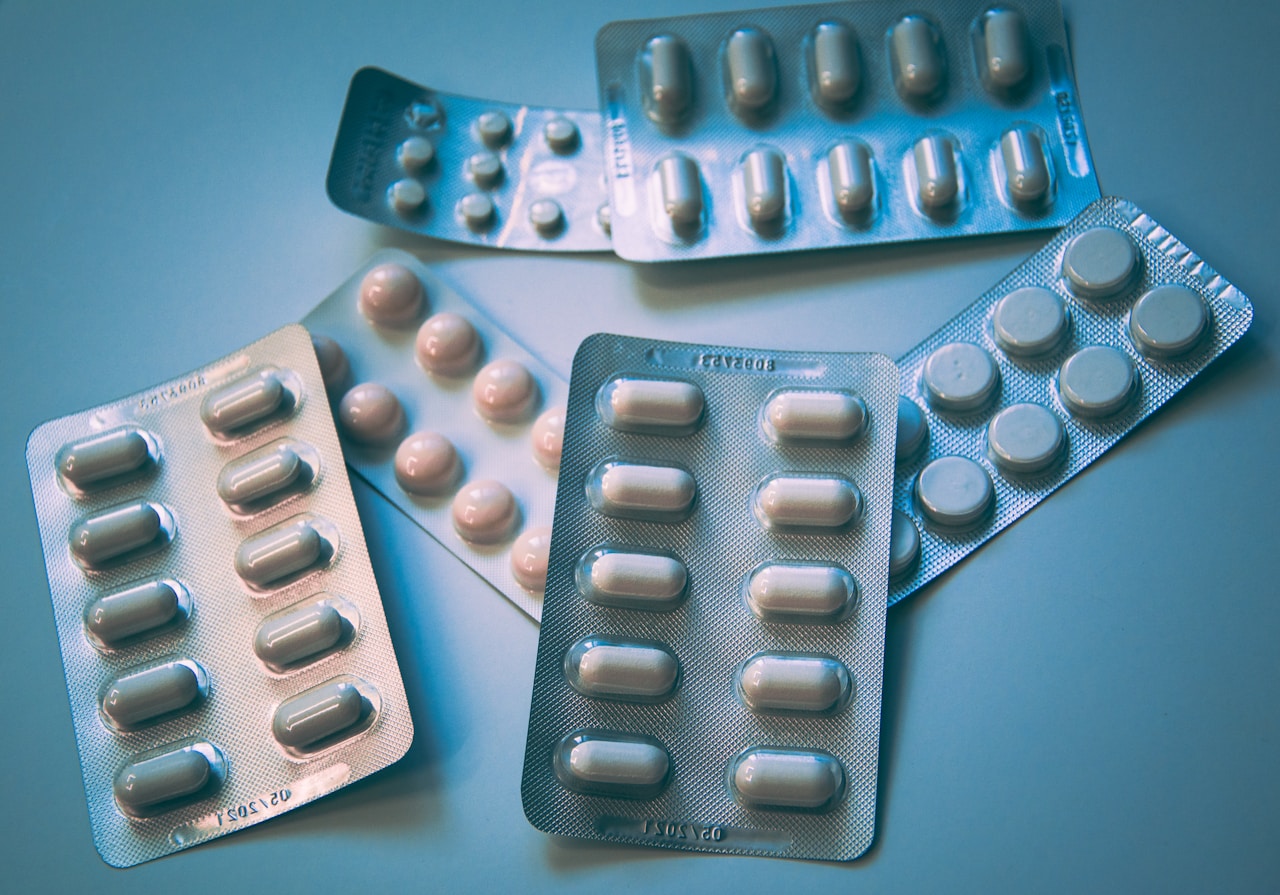
Dosing is the foundation of medicinal cannabis. Get it right, and cannabis can provide meaningful relief with minimal side effects. Get it wrong — especially by starting too high — and you risk an unpleasant experience that may put you off a medicine that could otherwise help you significantly.
The guiding principle that Australian prescribers use is simple: start low, go slow. This guide explains what that means in practice, how doses differ by route of administration, what the evidence says about dosing for specific conditions, and how to manage the titration process safely.
Important: This guide is educational information. Your actual dose should be determined by your prescribing GP, who will factor in your condition, health history, medications, age, and individual response. This information does not replace medical advice.
Why cannabis dosing is different from most medications
Most pharmaceutical medications have a straightforward dose-response relationship: more drug produces more effect, up to a ceiling, with side effects generally scaling with dose. Cannabis is more nuanced for several reasons:
Individual variability: Two people can take identical doses of the same cannabis product and have dramatically different responses. Factors affecting this include: genetics (particularly endocannabinoid system genetics and liver enzyme variants), body composition (THC is fat-soluble and accumulates in fatty tissue), prior cannabis exposure, tolerance, age, sex, and concurrent medications.
Biphasic effects: THC in particular shows biphasic dose-response — meaning low doses produce one set of effects and high doses produce sometimes opposite effects. Low-dose THC often reduces anxiety; high-dose THC can cause anxiety and paranoia. Low-dose THC aids sleep; very high doses can disrupt sleep architecture. This means that more is definitively not better — the therapeutic window is real.
Route of administration differences: The same mg dose of THC produces very different effects depending on whether it’s inhaled, taken orally, or applied to the skin. These differences are so significant that dosing effectively requires understanding each route separately.
Tolerance development: Regular cannabis use leads to CB1 receptor downregulation — tolerance — over time. A dose that worked well at 3 months may produce less effect at 9 months if used daily. Tolerance can be reduced by periodic breaks (tolerance breaks).
The most important principle: start low, go slow
The “start low, go slow” principle means:
- Start at the lowest possible effective dose (for THC, typically 1–2.5mg)
- Hold that dose for several days (3–7 days) without changing
- Assess your response systematically — does the symptom improve? Are there side effects?
- Increase incrementally (by 1–2.5mg THC or 25mg CBD at a time) only if the current dose is insufficient
- Repeat this cycle until you find your minimum effective dose (MED)
The goal is not the maximum dose — it’s the minimum dose that provides therapeutic benefit. Lower doses of THC almost always mean fewer side effects, lower impairment, and better long-term tolerability.
Dosing by route of administration
Inhaled cannabis (vaporiser)
Onset: 2–10 minutes. Peak: 15–30 minutes. Duration: 2–4 hours.
Inhalation is the fastest-onset route, making it ideal for breakthrough symptoms and acute pain. The rapid onset also makes it easier to titrate — you feel effects quickly and know when to stop.
Starting dose (THC):
- Naive patient: 1–2 draws of 1–2 seconds from a dry herb vaporiser loaded with low-THC flower (~5–10% THC)
- That initial draw delivers approximately 1–3mg THC, depending on flower potency, vaporiser efficiency and draw technique
Titration:
- Wait 10–15 minutes before assessing
- If inadequate, take 1–2 more draws
- Over sessions, find your typical number of draws for adequate effect — this becomes your consistent dose
Sublingual oils (under the tongue)
Onset: 15–45 minutes (sublingual component) + 45–120 minutes (swallowed component). Duration: 4–8 hours.
Starting dose (THC):
- 1–2.5mg THC, taken once daily at first (usually evening)
- Common products: 1mg/drop or 2.5mg/0.1ml — check your specific product’s concentration
Starting dose (CBD):
- 25–50mg CBD, once or twice daily
- Can be titrated up quickly compared to THC — CBD is not psychoactive
Titration:
- Hold dose for 3–7 days
- Increase by 1–2.5mg THC if inadequate (or 25mg CBD)
- Keep a simple diary: dose, time, symptom rating 1–10 before and after
Capsules
Same pharmacokinetics as swallowed oil — onset 45–120 minutes, duration 4–8 hours. Capsules are more convenient for precise dosing (no measuring) and for patients who dislike the taste of oil.
Starting dose: Same as sublingual oils but remember that onset is slower — wait the full 2 hours before assessing if a capsule dose was effective.
Topicals
Localised effects only (for standard, non-transdermal products). No psychoactive effect. Dosing is by application frequency and concentration — apply to affected area and reapply as needed (typically every 4–6 hours).
Dosing by condition — general guidance
These are general ranges based on available clinical evidence and Australian prescribing practice. Your prescriber’s specific guidance takes precedence.
Chronic pain
- CBD: 50–150mg/day oral (some patients benefit from higher doses; evidence strongest in this range)
- THC: 2.5–10mg/day initially; many patients find 5–15mg/day total therapeutic
- Often combined: Balanced CBD:THC products reduce psychoactive effects while maintaining analgesic benefit
- Route preference: Oral for baseline management; inhaled for breakthrough pain
Insomnia / sleep disorders
- THC: 2.5–5mg oral, taken 30–60 minutes before sleep. THC reduces sleep onset latency at low doses.
- CBD: High-dose CBD (100–300mg) has some sedating evidence but is less consistent than THC for sleep onset
- CBN: The minor cannabinoid CBN is increasingly included in sleep-specific products for its mild sedating properties
- Note: Nightly THC use can reduce REM sleep over time. Discuss with prescriber.
Anxiety
- CBD: 25–75mg twice daily oral. CBD has the strongest evidence of any cannabinoid for anxiety reduction (the “inverted-U” dose-response curve applies — very high doses may increase anxiety in some people)
- THC: Used with caution — low doses (1–2.5mg) may reduce anxiety; higher doses risk worsening anxiety. Many anxious patients do better on CBD-dominant or CBD-only products.
PTSD
- THC: Evidence for nightmare suppression; typical dose 5–10mg before sleep
- CBD: Daytime use for hyperarousal management; 25–75mg/day
- Combined approach: Many PTSD patients use both — CBD daytime, THC nighttime
Nausea (including chemotherapy-related)
- THC: Most directly antiemetic; low doses of 2.5–5mg inhaled at onset of nausea, or 5–10mg oral prophylactically
- CBD: Supporting anti-nausea role via serotonin receptor activity; 25–50mg
Epilepsy (Dravet syndrome / LGS)
- CBD (Epidyolex): PBS-listed pharmaceutical CBD product. Dosing is weight-based and precisely guided by your neurologist. Start at 5mg/kg/day, titrate to 10mg/kg/day (sometimes 20mg/kg/day). This is specialist-prescribed medicine — not equivalent to general CBD products.
Fibromyalgia
- CBD: 50–150mg/day oral; some patients require higher
- THC: Low-dose (2.5–10mg), often evening-weighted to address sleep disruption
- Split dosing: Many fibromyalgia patients benefit from split dosing — smaller oral doses spread through the day rather than one large dose
Managing side effects at the right dose
At appropriate doses, cannabis should not feel overwhelming. If you experience significant anxiety, paranoia, racing heart, or derealization, your THC dose is too high. These side effects typically resolve as the dose metabolises — but they’re a clear signal to lower your dose at the next session.
Common side effects of excessive THC dose:
- Anxiety, panic, racing thoughts
- Elevated heart rate
- Derealization (feeling like things aren’t real)
- Dry mouth, red eyes
- Short-term memory impairment
Management:
- Wait it out in a safe place — effects will pass
- CBD may blunt acute THC intoxication (keep a high-CBD oil as an “antidote” option)
- Hydrate and rest
- Do not take more cannabis to try to “balance” the feeling — this reliably makes things worse
At too-low doses, cannabis is simply ineffective. Inadequate dose is as common a reason for treatment failure as excessive side effects — the solution is systematic, gradual titration upward under prescriber guidance.
Tolerance and tolerance breaks
Daily use of THC leads to tolerance development over weeks to months — gradually requiring higher doses for the same effect. This is driven by CB1 receptor downregulation.
Tolerance breaks (T-breaks): A planned period of abstinence (typically 2–4 weeks) that allows CB1 receptors to upregulate, restoring sensitivity. Many Australian medicinal patients find that a T-break every 3–6 months allows them to maintain effectiveness at lower doses.
CBD tolerance: CBD has a different, less pronounced tolerance profile than THC. Many patients maintain CBD effectiveness at consistent doses over time without needing breaks.
Cannabis drug interactions and dosing adjustments
Cannabis is metabolised primarily by CYP2C9, CYP3A4 and CYP2C19 liver enzymes — the same enzymes responsible for metabolising many common medications. Potential interactions include:
- Blood thinners (warfarin): CBD inhibits CYP2C9; can increase warfarin blood levels and INR. Monitor closely.
- Antiepileptics (clobazam, valproate): CBD increases clobazam blood levels. Dose adjustments may be needed.
- Immunosuppressants (tacrolimus, cyclosporine): THC and CBD can affect metabolism of these narrow-therapeutic-index drugs.
- SSRIs and SNRIs: Some interaction potential; generally manageable but requires monitoring.
- Opioids: Cannabis may have an opioid-sparing effect, potentially requiring downward opioid dose adjustment.
Always inform your GP and pharmacist of all cannabis products you are using — even topicals — so potential drug interactions can be properly assessed.
Frequently asked questions — cannabis dosing in Australia
What is the right dose of cannabis? The minimum dose that provides meaningful therapeutic benefit with acceptable side effects — your Minimum Effective Dose. This is highly individual and found through systematic titration under your prescriber’s guidance.
Is 10mg THC a high dose? 10mg THC oral is considered a moderate dose for established medicinal cannabis users, but can be very significant for a first-time patient. Many experienced patients use 10–25mg/day total THC. First-timers should start at 1–2.5mg and work up.
How long does it take to find the right dose? Most patients find their effective dose within 4–8 weeks of starting medicinal cannabis. Some complex patients take 3–6 months of titration to optimise. The process requires patience.
Can I take cannabis while pregnant or breastfeeding? No cannabis products (including CBD) are recommended during pregnancy or breastfeeding. THC crosses the placenta and is present in breast milk. Discuss with your obstetrician.
Does weight affect cannabis dosing? Yes and no. Body composition (fat mass) affects THC distribution — heavier people with more fat tissue may experience a longer duration of THC accumulation. CBD dosing for epilepsy is specifically weight-based. For most adult patients, individual variation in endocannabinoid system sensitivity is more predictive of dose requirements than body weight alone.