
Products
Cannabis Edibles in Australia — What They Are, How They Work & How to Dose Safely (2026)
Cannabis edibles work completely differently from inhalation — slower onset, longer duration, and a much higher risk of accidental overconsumption. A complete guide to edibles available in Australia, how to dose safely, and what to expect.
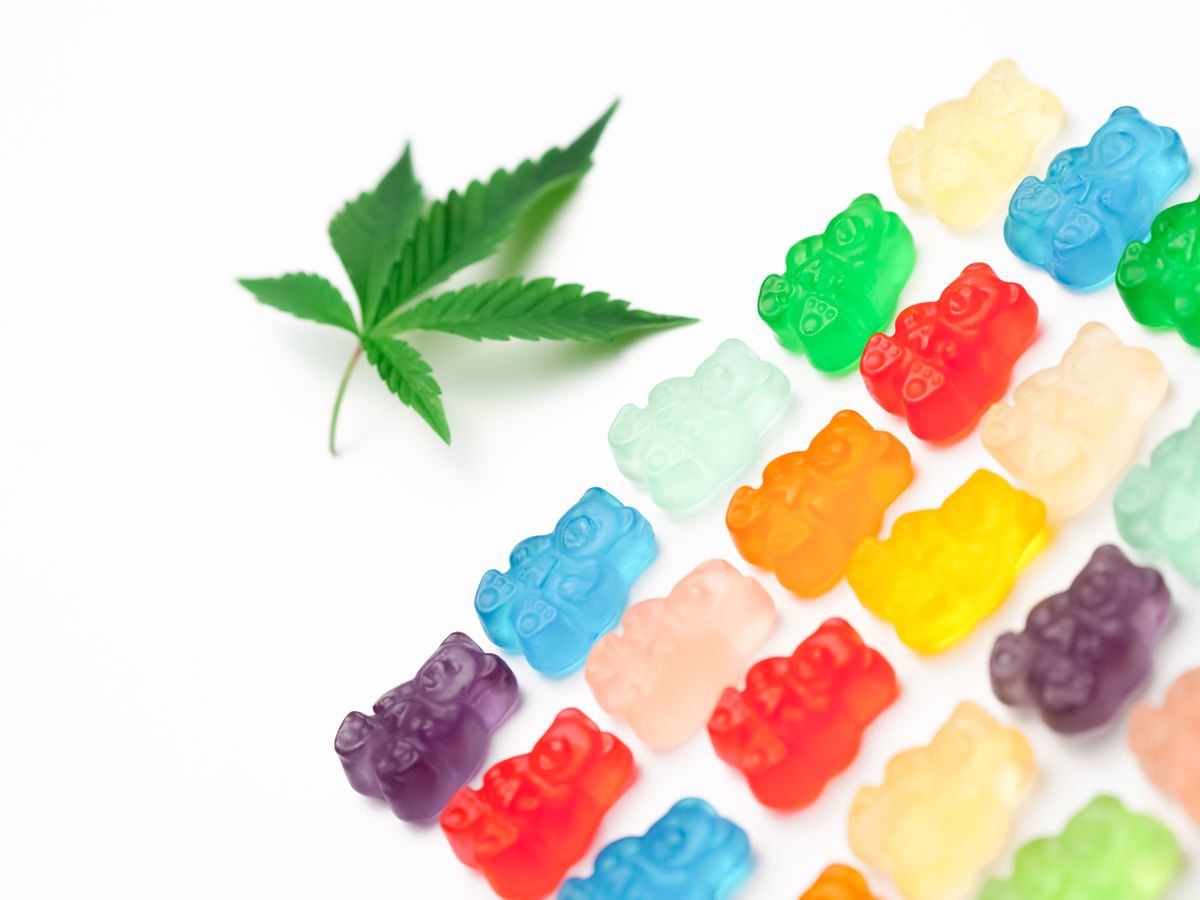
Cannabis edibles are fundamentally different from any other form of cannabis consumption — and that difference catches more new users off guard than any other aspect of cannabis. Eat too much of an edible, and you’ll be waiting hours for effects to peak while having no good options to speed the process along.
This guide explains how edibles work in the body, why the timing and dosing rules are so different from inhaled cannabis, what types of edibles are available to Australian medicinal patients in 2026, and how to approach them safely.
What are cannabis edibles?
Cannabis edibles are food or drink products infused with cannabinoids — typically THC, CBD, or both. The cannabinoids are extracted from cannabis plant material and incorporated into food at a precise measured dose.
In Australia’s medicinal cannabis market, “edibles” in the TGA-approved sense include:
- Cannabis capsules and softgels — the most common oral form; precise dosing, pharmaceutical presentation
- Cannabis sublingual oils — technically absorbed sublingually rather than digested, but often described under “edibles” broadly; faster onset than true edibles
- Cannabis gummies and lozenges — less common in the Australian medicinal market but emerging; absorbed partly sublingually, partly digested
- Cannabis-infused chocolates or baked goods — extremely uncommon in Australia’s regulated medicinal market; more common in the unregulated international market
The most widely prescribed oral cannabis products in Australia are capsules and sublingual oils, which have more predictable pharmacokinetics than complex food matrices.
How edibles work differently in your body
This is the most important thing to understand about cannabis edibles. The mechanism is entirely different from inhalation — and those differences have practical consequences.
When you inhale cannabis (vaporise or smoke):
- THC enters the lungs → absorbed directly into bloodstream → reaches brain in 30–90 seconds
- Effects begin within minutes
- Peak effects at ~15–30 minutes
- Duration: typically 2–4 hours
When you eat or swallow cannabis:
- THC enters the stomach → absorbed through intestinal wall → passes through the liver
- In the liver, THC is converted to 11-hydroxy-THC — a metabolite that is itself psychoactive and significantly more potent than THC
- This liver “first pass” creates a delayed, stronger, longer-lasting effect than inhaled cannabis
- Onset: 45 minutes to 2+ hours (highly variable)
- Peak effects: 2–4 hours after ingestion
- Duration: 4–8 hours (sometimes longer)
This is why the classic mistake with edibles is taking more “because nothing is happening” at the 45-minute mark — then experiencing a very intense, long-lasting effect 90 minutes later when both doses hit simultaneously. The rule is simple: dose, then wait at least 2 hours before any top-up.
Why onset is so variable:
- Whether you’ve eaten recently: A full stomach significantly slows absorption; an empty stomach speeds it up. This variability makes consistent dosing harder.
- Individual differences in gut motility and liver metabolism: People process oral cannabis at very different rates.
- The fat content of the edible: THC is fat-soluble; eating cannabis with fat improves bioavailability.
- Stomach pH and gut microbiome: Minor but real variables.
Types of cannabis edibles available in Australia
Capsules and softgels
The most common TGA-approved oral cannabis product in Australia. Capsules contain cannabis oil (CBD oil, THC oil, or a combination) in a precise dose per capsule.
Advantages:
- Exact, reproducible dosing
- No taste (important for patients who dislike the flavour of cannabis oil)
- Pharmaceutical-grade presentation
- Easy to travel with
- Long shelf life
Typical dosing: 2.5mg THC, 5mg THC, 10mg THC, or CBD-only in 25mg or 100mg capsules (varies by product)
Sublingual oils
Technically absorbed under the tongue (sublingually) rather than through digestion, oils represent a middle ground between inhaled and oral routes. When held under the tongue for 60–90 seconds before swallowing, a portion absorbs directly into the bloodstream via the sublingual vein — producing faster onset (20–45 minutes) than true edibles.
Any oil that is swallowed rather than held sublingually undergoes the same digestive process as a capsule — slower onset, more potent 11-hydroxy-THC conversion.
Most Australian patients use a hybrid technique: hold for 60 seconds, then swallow. This produces partial sublingual and partial digestive absorption.
Cannabis gummies and lozenges
An emerging category in Australia’s medicinal market. Gummies are typically held in the mouth for partial sublingual absorption, then chewed and swallowed. Onset is typically faster than capsules (30–60 minutes) but variable depending on how long the gummy is held in the mouth before swallowing.
Australian medicinal cannabis gummies are TGA-prescribed products — not the unregulated overseas products sold without prescription in some international markets.
Cannabis beverages
Currently very uncommon in Australia’s medicinal market. Water-soluble cannabinoid formulations are technically challenging to produce. Nano-emulsified THC/CBD beverages exist in some international markets but are not widely available in Australia through TGA channels as of 2026.
How to dose cannabis edibles safely
The cardinal rule: Start low, go slow, and wait the full 2 hours.
Recommended starting doses:
| Patient type | Starting dose (THC) |
|---|---|
| First-time cannabis patient | 1–2.5mg THC |
| Occasional user, new to edibles | 2.5–5mg THC |
| Experienced inhaled cannabis user, new to edibles | 5mg THC |
| Experienced oral cannabis user | Titrate from established baseline |
Note: These are starting doses only. Your prescriber will guide dose titration based on your specific condition and response.
CBD dosing is less sensitive to overconsumption — CBD does not produce psychoactive effects. CBD oral products are typically dosed at 25–100mg per dose, sometimes more for specific indications like epilepsy. Follow your prescriber’s guidance.
The titration process:
- Take your starting dose
- Wait the full 2 hours before assessing effect
- If effect is inadequate, increase by 1–2.5mg THC at the next dose
- Maintain any new dose for 3–5 days before adjusting again
- Keep a simple log of dose, timing, and effect — this data helps your prescriber optimise your regimen
What to do if you take too much:
- Find a safe, comfortable environment
- Do not drive
- Remind yourself the effect is temporary and will pass (typically within 4–6 hours)
- CBD may help counteract THC effects — some patients keep a high-CBD oil on hand for this purpose
- Hydrate, eat something, and rest
- If genuinely distressed, call the Alcohol and Drug Information Service (ADIS) in your state for non-judgemental support
Edibles and food interactions
High-fat foods: Eating a high-fat meal before or with THC edibles significantly increases absorption. A cannabis capsule taken after a fatty meal may produce effects 2–3x stronger than the same dose on an empty stomach. This variability is one reason capsule users benefit from taking their dose at a consistent time relative to meals.
Grapefruit: Grapefruit and grapefruit juice can inhibit the CYP3A4 liver enzyme that metabolises cannabinoids. This interaction can increase THC blood levels. If you’re on grapefruit-interactive medications, discuss cannabis with your doctor.
Alcohol: Combining alcohol with THC edibles significantly increases impairment and the risk of an unpleasant experience. Not recommended, especially while establishing your dose.
Edibles in Australian law — important notes
Medicinal cannabis edibles require a TGA prescription — the same SAS-B framework that applies to all medicinal cannabis in Australia. Over-the-counter food products with THC or significant CBD content are not legal in Australia.
Drug driving: Oral cannabis containing THC is subject to the same zero-tolerance drug driving laws as inhaled cannabis. The detection window for oral cannabis in blood and urine can be longer than for inhaled cannabis due to the slower metabolic clearance of 11-hydroxy-THC and its metabolites. Do not drive after consuming THC-containing edibles. Given the long duration of edible effects (4–8+ hours), this is a meaningful practical constraint on daytime oral THC use.
Frequently asked questions — cannabis edibles in Australia
Why does eating cannabis feel stronger than smoking it? Because the liver converts THC into 11-hydroxy-THC, a more potent metabolite that crosses the blood-brain barrier more effectively than THC itself. The same amount of THC produces more intense effects orally than inhaled.
How long do edibles last? Typically 4–8 hours for most patients. Some people experience residual effects (mild sedation, cognitive cloudiness) for up to 12 hours after a large dose. Plan accordingly and do not drive.
Can I make my own edibles with medicinal cannabis flower? Technically possible through home decarboxylation and infusion — but this carries significant dosing inaccuracy risks. Home-made edibles have highly variable potency depending on decarboxylation time/temperature and fat infusion process. TGA-prescribed capsules and oils with known concentrations are much safer for medical use.
Can I use edibles for sleep? Oral cannabis (capsules or oils) are one of the most commonly prescribed cannabis products for insomnia in Australia, specifically because the 4–8 hour duration aligns well with a sleep period. Many prescribers recommend an oil taken 30–60 minutes before bed for sleep support.
Are cannabis edibles addictive? Cannabis dependence can develop with regular, heavy use of any cannabis product — edibles included. The risk with edibles is slightly different: the delayed onset can lead some users to repeatedly dose before feeling effects. Regular daily use of THC-containing edibles at significant doses can produce dependence over time. Discuss use patterns with your prescriber.