
Legal
Cannabis and Employment Drug Testing Australia — Your Rights and Risks (2026)
Medicinal cannabis patients in Australia face real risks from workplace drug testing. This guide explains urine vs oral fluid testing, detection windows, legal protections, high-risk industries, and how to discuss cannabis with your employer in 2026.
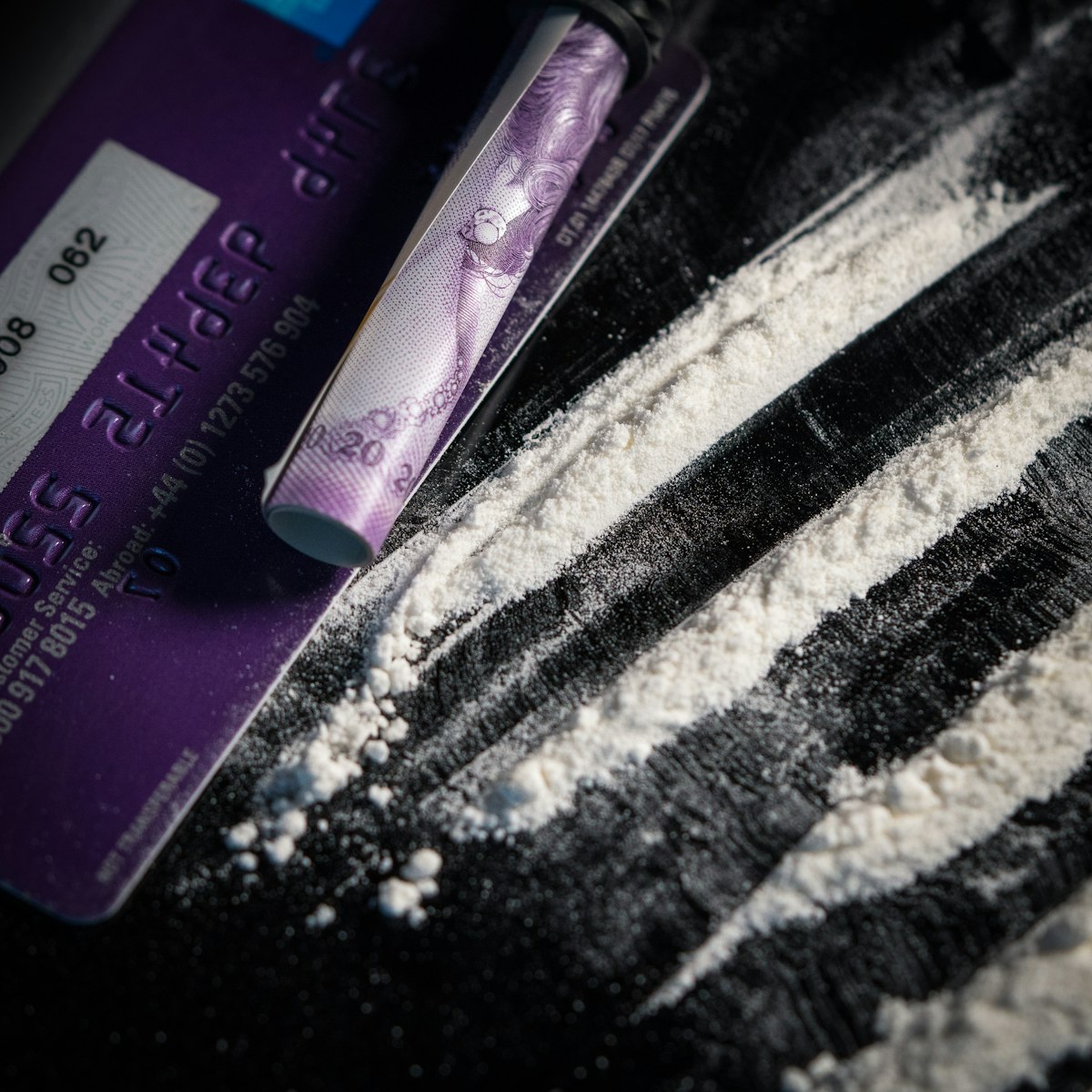
One of the most common concerns for Australian medicinal cannabis patients is workplace drug testing. A valid TGA prescription does not automatically protect you from a failed drug test at work. Understanding how drug testing works, which industries are highest risk, your legal protections, and how to navigate disclosure with your employer is essential for anyone using medicinal cannabis in Australia’s workforce.
How Australian workplace drug testing works
There are two main drug testing methods used in Australian workplaces:
Urine drug testing
- What it detects: THC-COOH — a metabolite of THC that is stored in fat cells and excreted in urine. Importantly, THC-COOH is not psychoactive and does not indicate current impairment.
- Detection window for cannabis: 3–30+ days after last use, depending on frequency of use, dose, and body fat percentage
- Occasional users (once/week): typically 3–7 days
- Regular users (daily): typically 10–21 days
- Heavy daily users: potentially 30+ days
- Threshold in Australia: 50 ng/mL (same as the US SAMHSA standard)
- Problem for medicinal patients: Urine tests detect past use, not current impairment. A medicinal cannabis patient who used their prescribed medication a week ago may still return a positive urine test
Oral fluid (saliva) drug testing
- What it detects: THC directly — the psychoactive compound itself
- Detection window: Generally 1–24 hours after use; potentially up to 72 hours for heavy users in some studies
- Australian roadside standard: 0 ng/mL detection threshold (any detectable THC is a fail — there is no legal limit for THC in driving or oral fluid workplace testing in most states)
- Important: Oral fluid tests detect more recent use than urine tests but still do not measure impairment — they detect presence of THC, not impairment level
Impairment vs detection — the core problem
Australian drug testing measures the presence of cannabis, not impairment from cannabis. A patient who took CBD oil two weeks ago (which may contain trace THC) could test positive for THC-COOH in urine despite having no current impairment. This is a fundamental tension between the Australian testing framework and medicinal cannabis prescribing that remains unresolved in law.
Does a medicinal cannabis prescription protect you?
Short answer: Partially, and it depends on your workplace and industry.
A valid TGA prescription establishes that your cannabis use is lawful. It may be relevant to:
- Disciplinary proceedings where your employer is treating the failed drug test as misconduct
- Workers’ compensation claims where cannabis is alleged to have caused an accident
- Fair Work Commission hearings around unfair dismissal
However, a prescription does not:
- Guarantee you will pass a drug test
- Override workplace drug-free policies in safety-critical industries
- Prevent your employer from requiring fitness-for-work assessment
- Protect you in industries with zero-tolerance policies mandated by regulation
The Fair Work Commission has considered medicinal cannabis cases and generally found that employers in safety-critical industries can lawfully require zero tolerance, while employers in non-safety-critical settings may need to accommodate medicinal cannabis patients more flexibly.
High-risk industries — zero tolerance is common
The following industries routinely implement strict zero-tolerance drug testing where a prescription provides very limited protection:
Mining:
The most strictly tested industry in Australia. All major miners (BHP, Rio Tinto, Fortescue, Glencore) enforce zero-tolerance policies on all sites. Testing is pre-employment, random, post-incident, and return-to-work. A positive test — regardless of prescription — typically results in immediate removal from site. This is the highest-risk industry for medicinal cannabis patients.
Transport and logistics:
Truck drivers, bus drivers, train operators and aviation workers face zero-tolerance testing under industry regulation. Transport for NSW, VicRoads and equivalents have zero-tolerance oral fluid roadside testing. A positive test while driving for work purposes means loss of vehicle access and potentially licence suspension regardless of prescription.
Construction:
High-risk work sites with WorkSafe-mandated fitness-for-work requirements. Most major construction sites apply zero-tolerance policies. FIFO/DIDO construction environments particularly strict.
Oil and gas / offshore:
Offshore environments subject to strict zero-tolerance under petroleum and maritime safety regulations. Similar to mining in practice.
Emergency services:
Police, fire, ambulance and SES/emergency management are zero-tolerance by policy and regulation.
Healthcare:
Hospitals and health services vary. Many nursing homes have zero-tolerance policies. Patient-facing healthcare with prescription drug access (nursing, pharmacy, clinical medicine) typically zero-tolerance.
Lower-risk industries where accommodation is more likely
These industries do not typically have regulatory zero-tolerance mandates, and Fair Work Commission decisions have generally required more accommodation of medicinal cannabis patients:
- Office-based work (technology, finance, marketing, administration)
- Education (non-driving roles)
- Retail (non-machinery, non-transport)
- Professional services
- Creative industries
Even in these industries, employers can implement drug-free policies. The difference is that a Fair Work Commission claim is more likely to succeed if you are dismissed in a non-safety-critical role while holding a valid prescription and demonstrating no impairment.
What to do if you’re a medicinal cannabis patient in a tested workplace
Option 1: Disclose to your employer proactively
Some patients choose to disclose their prescription to HR before testing occurs. This establishes your lawful use and allows your employer to consider reasonable accommodation. The downside is potential stigma or discrimination (which is unlawful under disability discrimination law but difficult to prove).
If you disclose:
- Provide a copy of your TGA prescription (not the medical reason for it unless you choose to)
- Focus on demonstrating you follow dosing guidelines and do not work while impaired
- Request a meeting to discuss reasonable accommodation
Option 2: Manage your dosing around testing
Some patients in tested industries use cannabis only on days off (e.g., non-work days, annual leave) and allow adequate clearance time before returning to work. This requires understanding your specific detection window (see above).
Option 3: Use CBD-only products
Pure CBD products containing no THC (isolate or broad-spectrum) will not cause a positive THC drug test. If your condition can be managed with CBD alone, this eliminates drug testing risk. Note: some broad-spectrum products contain trace THC — confirm with your prescriber that your specific product is THC-free.
Option 4: Seek legal advice if terminated
If you are terminated following a positive drug test and hold a valid prescription, consult an employment lawyer. You may have remedies under unfair dismissal (Fair Work Act) or disability discrimination legislation. The strength of your claim depends heavily on your industry and the specific circumstances.
What the Fair Work Commission has said
The FWC has heard several cases involving medicinal cannabis and workplace drug testing. Key principles that have emerged:
- A valid prescription is a relevant mitigating factor but does not automatically make dismissal unfair
- Safety-critical industries have a stronger basis for zero-tolerance than non-safety-critical industries
- Employers must typically consider whether reasonable accommodation is possible before dismissing
- The reason for the prescription (the medical condition) is protected health information — you are not required to disclose your diagnosis to your employer, only the existence of the prescription
- Length of service, prior conduct record, and whether impairment was actually demonstrated all affect FWC outcomes
Disclosure and privacy
You are not legally required to disclose your diagnosis (the medical condition requiring cannabis) to your employer. You may disclose the prescription itself if beneficial. Your health information is protected under the Privacy Act 1988 and cannot be used to discriminate against you under disability discrimination legislation.
However, if your employer has a fit-for-work process and asks about medications that could affect your work performance, withholding information about cannabis use that could affect safety could be grounds for dismissal in safety-critical roles.
Frequently asked questions — cannabis and employment drug testing
Can I be fired for using medicinal cannabis in Australia?
Yes, in safety-critical industries with legitimate zero-tolerance policies. In non-safety-critical industries, dismissal may be challenged as unfair or discriminatory. The strength of your position depends on your industry, workplace policy, and whether you can demonstrate your use doesn’t impair your work performance.
How long does cannabis stay in my system for a urine test?
For medicinal patients using cannabis regularly: typically 10–21 days in urine. For heavy daily users: potentially 30+ days. CBD-only use produces no detectable THC-COOH.
Does a prescription mean I can’t be tested?
No. A prescription establishes lawful use but does not exempt you from workplace drug testing or protect you from a positive result. Testing can still proceed; your prescription becomes relevant if disciplinary action follows.
What if I only use CBD oil — will I fail a drug test?
Pure CBD isolate or verified broad-spectrum CBD-only products will not cause a positive THC drug test. However, full-spectrum cannabis products — even CBD-dominant ones prescribed medicinally — contain trace THC that can accumulate in regular users and cause a positive urine test. Confirm with your prescriber whether your specific product is truly THC-free.
Do I have to tell my employer why I use medicinal cannabis?
No. You are not required to disclose your medical diagnosis to your employer. You may choose to disclose your prescription to facilitate accommodation discussions, but the underlying medical reason is private health information protected under Australian law.
What should I do if I’m called in for a drug test?
You can provide your prescription documentation at the time of testing or during any post-test interview. Note your right to provide this information. Do not refuse the test — refusal is typically treated the same as a positive result under workplace policies.