
Getting started
Cannabis for Alzheimer's Disease Australia — Evidence, Safety and Access Guide (2026)
Alzheimer's disease affects 400,000 Australians. Medicinal cannabis is explored for agitation, sleep, anxiety, appetite and potentially neuroprotection in dementia. A complete guide for Australian patients and carers in 2026.
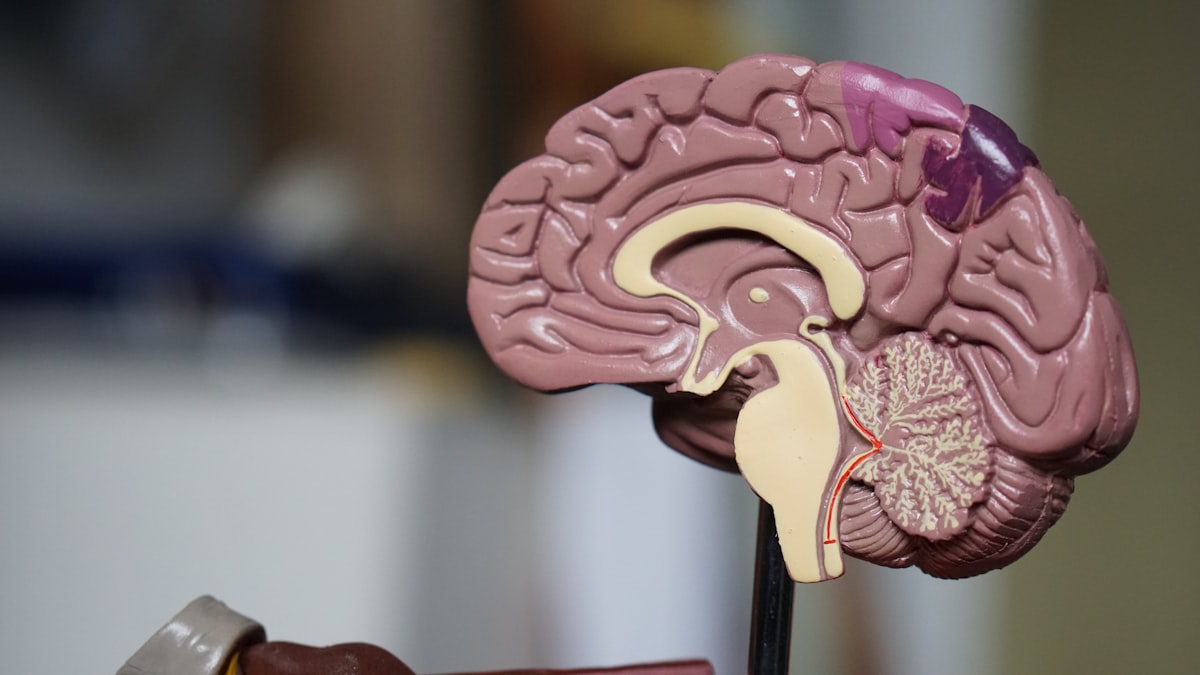
Alzheimer’s disease is the most common cause of dementia and the third leading cause of death in Australia. Approximately 400,000 Australians are living with dementia, with Alzheimer’s accounting for around 70% of cases. For patients and carers, the disease creates profound challenges: cognitive decline, behavioural and psychological symptoms of dementia (BPSD) including agitation and aggression, severe sleep disruption, and eventually loss of the ability to perform daily activities. Medicinal cannabis is increasingly explored by families and prescribed by geriatricians for specific symptoms — particularly agitation, sleep and anxiety — with promising early evidence.
What cannabis can and cannot do for Alzheimer’s
What cannabis may help with:
- Agitation and aggression — the most common BPSD and one of the most distressing for carers; strong early evidence for cannabis
- Anxiety — very common in early-to-moderate Alzheimer’s; CBD’s anxiolytic effects are relevant
- Sleep disruption — extremely common; indica-dominant cannabis reliably improves sleep quality
- Appetite — weight loss and poor appetite in advanced disease; THC’s appetite-stimulating effect
- Pain — often undertreated in Alzheimer’s patients who cannot communicate pain verbally; cannabis provides analgesic coverage
What cannabis cannot do:
- Reverse cognitive decline — no current evidence cannabis reverses established Alzheimer’s neurodegeneration
- Cure or halt disease progression — cannabis is symptomatic therapy, not disease-modifying
- Replace established dementia care — environmental modification, carer support, and specialist dementia management remain central to care
Potential neuroprotective properties (emerging research):
Preclinical research has identified that cannabinoids may reduce beta-amyloid plaque formation and tau tangulation — the two pathological hallmarks of Alzheimer’s — through anti-inflammatory and antioxidant mechanisms. This remains preclinical and has not been demonstrated in human trials. It is a significant area of active research but should not be represented as an established benefit.
Evidence for cannabis in Alzheimer’s and dementia
Behavioural and psychological symptoms (BPSD):
2019 Swiss retrospective study: 10 nursing home patients with severe dementia and BPSD given cannabis oil. Significant reduction in agitation, aggression and sleep disruption. Staff reported improved manageability and reduced requirement for antipsychotic medications.
2021 Australian case series: 8 dementia patients with BPSD treated with CBD-enriched cannabis oil. All 8 showed reduction in agitation; 6 showed sleep improvement. No serious adverse events.
2022 Journal of Alzheimer’s Disease review: Systematic review concludes that cannabis “shows consistent benefit for BPSD management, particularly agitation” across available observational studies, with a favourable safety profile compared to antipsychotic alternatives.
Why this matters for standard of care:
Current medications for BPSD (risperidone, quetiapine, haloperidol) are effective but carry significant risks in elderly dementia patients — increased stroke risk, accelerated cognitive decline, and mortality. Cannabis — particularly CBD-dominant preparations — may offer meaningful symptom control with a substantially better safety profile. This is one of the strongest arguments for cannabis in Alzheimer’s care.
Cannabis products for Alzheimer’s — practical guidance
General principle: Start very low, titrate very slowly. Older adults metabolise cannabis differently — reduced liver function, lower body mass, increased brain sensitivity, and polypharmacy all create higher sensitivity to cannabis effects.
For agitation and anxiety:
- CBD oil, sublingual, low dose (5–20mg CBD/day) — start here
- Balanced CBD:THC (e.g., 20:1 ratio) if CBD alone is insufficient
- Avoid high-THC products — THC can worsen confusion, agitation and paranoia in dementia
- Administer at times of peak agitation — often late afternoon/early evening (“sundowning”)
For sleep disruption:
- Low-dose indica-dominant preparation at bedtime
- Very low starting THC (0.5–1mg) — effective at doses far below what younger patients use
- Evening CBD oil alone may be sufficient for milder sleep disruption
For appetite:
- Low-dose THC (0.5–2mg) — effective appetite stimulant at very low doses in elderly patients
- Sublingual oil format — avoids inhaled products entirely (appropriate for this population)
- Edibles may be appropriate if the patient can safely swallow; ensure accurate dosing
Avoid entirely in most Alzheimer’s patients:
- Inhaled cannabis (flower/vaporiser) — impractical and risks are not appropriate for this population
- High-THC products — worsens confusion, increases fall risk substantially
- Edibles with unpredictable dosing — variable absorption is particularly dangerous in frail elderly
Falls risk — the most critical safety concern
THC increases falls risk substantially in elderly patients. Alzheimer’s disease already creates falls risk through gait instability, spatial disorientation, and impaired balance. THC adds:
- Postural hypotension (blood pressure drop on standing)
- Dizziness and coordination impairment
- Slowed reaction time
- Potentially increased confusion
Mitigation strategy:
- Dose only at bedtime for sleep (when falls risk is lower than during daytime ambulation)
- Use the minimum effective THC dose
- Ensure carers and family are aware of initial dosing periods
- Consider a falls prevention review with a physiotherapist before starting THC
- Prioritise CBD-dominant preparations — minimal falls risk at therapeutic CBD doses
Drug interactions in Alzheimer’s patients
Alzheimer’s patients typically take multiple medications. Cannabis interactions are particularly important:
| Medication | Interaction | Action required |
|---|---|---|
| Cholinesterase inhibitors (donepezil, rivastigmine, galantamine) | CBD may inhibit CYP2D6 increasing levels | Monitor for nausea, vomiting, bradycardia — dose adjustment may be needed |
| Memantine | No significant known interaction | Generally safe |
| Antipsychotics (risperidone, quetiapine) | Additive sedation; THC may increase QTc risk | Start cannabis very low; consider reducing antipsychotic |
| Benzodiazepines (lorazepam, temazepam) | Additive sedation; respiratory risk in frail elderly | Only under specialist supervision; avoid THC if on benzodiazepines |
| Antidepressants (SSRIs, SNRIs) | Generally safe; CBD may increase levels slightly via CYP2D6/2C19 | Monitor for serotonin effects |
| Anticoagulants (warfarin) | CBD significantly inhibits CYP2C9 — can elevate warfarin levels and increase bleeding risk | Do not use cannabis without haematology/geriatrician review if on warfarin |
Family and carer considerations
Decision-making capacity: Alzheimer’s patients in moderate-to-severe stages lack capacity to consent to their own treatment. Medicinal cannabis for a patient without capacity requires decision-making by an authorised substitute decision-maker (typically next of kin or appointed guardian under state guardianship legislation).
Carer reporting: The primary source of information for prescribers is carer observation — family members and aged care staff. Keep a simple daily log: agitation episodes, sleep hours, appetite, mood. This enables meaningful dose adjustment.
Aged care facilities: Some Australian aged care facilities are implementing cannabis protocols with residential prescribers. If your family member is in residential care, discuss cannabis with the facility’s GP and geriatrician — the care model matters for appropriate prescribing and administration.
Accessing medicinal cannabis for Alzheimer’s in Australia
Best pathway: Geriatrician or aged care specialist with medicinal cannabis experience, ideally the specialist already managing the dementia. General practitioners managing dementia can also apply for TGA SAS-B approval.
Indication for TGA application: BPSD (behavioural and psychological symptoms of dementia), or specific symptoms: agitation, insomnia, anxiety, appetite loss — not “Alzheimer’s disease” itself as the indication.
What to bring:
- Current medication list (critical — warfarin and cholinesterase inhibitor interactions are significant)
- Documentation of BPSD severity and existing medication trials
- Carer’s description of symptom pattern and timing
Frequently asked questions — cannabis for Alzheimer’s
Can cannabis help Alzheimer’s agitation?
Early evidence is consistently positive — CBD-enriched cannabis oil reduces agitation in dementia patients in multiple observational studies, with a better safety profile than antipsychotic alternatives. This is the strongest indication for cannabis in Alzheimer’s management.
Will cannabis slow Alzheimer’s progression?
Preclinical research suggests cannabinoids may have neuroprotective properties relevant to Alzheimer’s pathology (amyloid, tau), but this has not been demonstrated in human clinical trials. Cannabis should not be used for Alzheimer’s with the expectation of slowing disease progression — current evidence supports only symptom management.
Is it safe to give cannabis to someone with dementia?
CBD-dominant preparations have a good safety profile in elderly dementia patients. THC must be used with extreme caution due to falls risk, confusion and drug interactions. Warfarin interaction (via CYP2C9 inhibition) is the most serious concern — do not start cannabis in a patient on warfarin without specialist review.
What if my family member can’t swallow oil?
Sublingual administration (oil held under the tongue) works even if swallowing is difficult. For patients who cannot manage sublingual, some prescribers use cannabis capsules or cannabis-infused foods under careful supervision. Discuss format options with the prescribing geriatrician.
Does Dementia Australia support medicinal cannabis?
Dementia Australia acknowledges patient and carer interest in cannabis and encourages evidence-based discussion with treating doctors. The organisation supports access to comprehensive dementia care options and does not oppose medicinal cannabis when prescribed appropriately.