
Products
Cannabis Oil and Tinctures — Complete Australia Patient Guide (2026)
A complete guide to medicinal cannabis oil and tinctures in Australia — how sublingual oils work, dosing methods, THC vs CBD oil, onset and duration, and what Australian patients prescribed cannabis oil need to know in 2026.
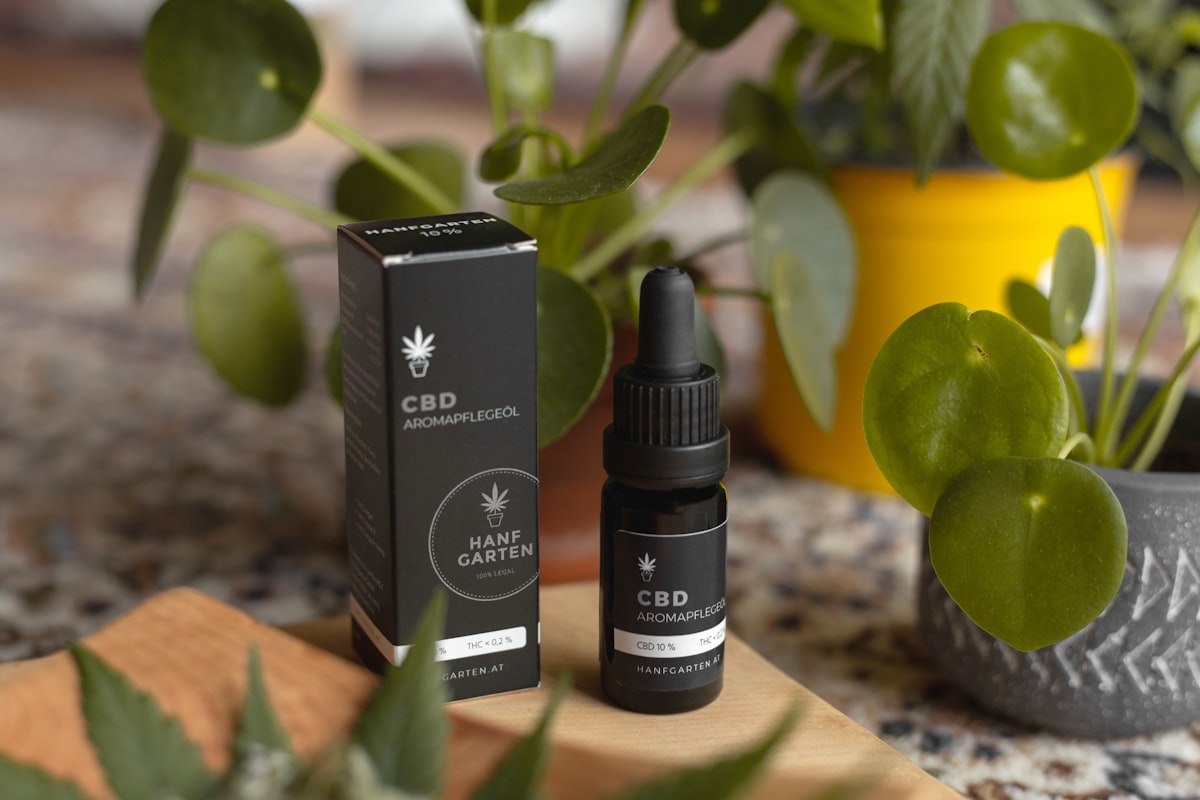
Cannabis oil — also called tincture — is the most prescribed medicinal cannabis format in Australia. More patients receive a cannabis oil prescription than any other form, making it the country’s de facto standard cannabis medicine. Understanding how oil works, how to dose it correctly, and the differences between oil types is foundational knowledge for any Australian cannabis patient.
What is cannabis oil?
Cannabis oil is a concentrated cannabis extract dissolved in a carrier oil — typically medium-chain triglyceride (MCT) oil from coconut, or olive oil. The extract contains cannabinoids (THC, CBD and others), terpenes, and minor plant compounds. The finished product is a dropper-bottle liquid, typically taken sublingually (under the tongue).
What “sublingual” means: Placing drops under the tongue and holding for 60–90 seconds before swallowing. The sublingual mucosa (tissue under the tongue) has excellent blood supply — cannabinoids absorb directly into systemic circulation through this route, bypassing the gastrointestinal system. This produces faster onset and more predictable absorption than swallowing oil directly.
How cannabis oil works in the body
Sublingual absorption:
- Drops placed under tongue (or inside cheek — buccal route)
- Cannabinoids absorbed through mucous membranes into blood
- Onset: 15–45 minutes
- Duration: 4–6 hours
Swallowed (if mixed with food or water):
- Oil swallowed and processed through GI tract
- First-pass liver metabolism converts some THC to 11-OH-THC
- Onset: 30–90 minutes
- Duration: 5–8 hours
The sublingual route is recommended for most patients — faster onset, more predictable, and avoiding the amplified potency of hepatic first-pass THC conversion.
Types of cannabis oil available in Australia
THC-dominant oil (e.g., T20, T18):
- High THC content; CBD minimal
- Psychoactive effects
- Primarily for pain, insomnia, severe nausea, PTSD
- Evening or nighttime dosing for most patients
- Examples: Tilray T20 oil, LGP Classic Oil
Balanced THC:CBD oil (e.g., 1:1, 1:2):
- Equal or near-equal THC and CBD
- CBD moderates THC’s psychoactive effects
- Versatile — can work for daytime or evening
- Good for anxiety, pain and sleep
- Examples: Various balanced formulations from Australian producers
CBD-dominant oil (e.g., C10, C15, 1:20):
- Low THC; high CBD
- Minimal psychoactive effects
- Daytime use: anxiety, inflammation, pain without impairment
- Examples: MediCabilis (BOD Australia), LGP Avidekel-type oil
Indica-type vs sativa-type oil: Beyond cannabinoid ratio, some oils specify the cannabis cultivar used — indica-derived oils may have more sedating terpene profiles, sativa-derived oils more uplifting. Your prescriber will specify the product most appropriate for your condition.
How to dose cannabis oil
Cannabis oil is among the most flexible formats for dosing — you can adjust in small increments simply by adding or removing drops.
Starting dose (new patients):
- 1–2 drops of THC-dominant oil, or 5–10 drops of CBD-dominant oil
- Place under tongue, hold 60 seconds, swallow
- Wait 45 minutes before assessing effects
- Dose in the evening initially (for THC products) when you can safely rest
Titration:
- Increase by 1–2 drops every 2–3 days until therapeutic effect is reached
- Keep a dosing diary: exact drops, time, food/empty stomach, effects, duration
- Your prescriber will monitor progress and adjust your prescription
Standard dropper delivery: Most cannabis oil bottles come with a graduated dropper or pump. One pump or one marked dropper unit is typically 0.5–1mL. At a concentration of 10mg/mL THC, that is 5–10mg per dose. Know your oil’s concentration (mg/mL) to understand your per-drop dose.
Mixing and food interactions
Cannabis oil absorbs better with fatty food. If you take it sublingually, the residual oil that you swallow will absorb better if you’ve recently eaten a fat-containing meal.
Do not heat cannabis oil — high heat degrades cannabinoids. Sublingual administration at room temperature is optimal.
Can I mix oil into food? Some patients mix oil into food (yoghurt, smoothies). This converts it to an oral ingestion route with delayed, more variable onset. Not recommended as the primary administration method if sublingual is tolerable.
Practical tips for using cannabis oil
- Shake before use — cannabinoids can settle to the bottom of the bottle
- Store correctly — cool, dark location away from heat and sunlight; refrigerate if directed by your pharmacist
- Keep a record — how many drops per dose, time of day, effects and side effects
- Start evening — begin THC oil dosing in the evening until you understand your response
- Don’t mix with alcohol — cannabis and alcohol together amplify effects unpredictably
- Consistent timing — dosing at consistent times helps manage effects and daily function
Reading your oil label
Australian TGA-dispensed cannabis oils include:
- THC concentration (mg/mL or %)
- CBD concentration (mg/mL or %)
- Carrier oil (MCT, olive, hemp seed)
- Batch number and Certificate of Analysis reference
- Instructions: drops per dose, route (sublingual), timing
If you’re unsure about your dosing instructions, contact your prescriber or dispensing pharmacist before use.
Frequently asked questions — cannabis oil
Is cannabis oil the same as hemp oil from the supermarket?
No. TGA-prescribed medicinal cannabis oil is a pharmaceutical product with verified THC and CBD concentrations. Hemp seed oil (available in supermarkets) is pressed from hemp seeds and contains negligible cannabinoids — it is a food product, not a medicine.
How long does a bottle last?
Depends on your dose and bottle size. A standard 30mL bottle at 10mg/mL THC gives 300mg total THC. At 5mg per dose twice daily, that’s 30 days. Your pharmacy can help calculate expected duration from your prescription.
What if I dislike the taste?
Cannabis oil has a characteristic earthy, herbal taste. Taking it immediately before swallowing a flavoured drink can help. Some formulations use flavour masking. Capsules are an alternative for patients who strongly dislike the taste of oil.
Can cannabis oil expire?
Yes. Cannabis oil has a shelf life, typically 12–24 months when stored correctly. Check the expiry date on your bottle and store as directed. Degraded oil loses potency and may have altered effects.