
Getting started
Cannabis Strains in Australia 2026 — Indica, Sativa, Hybrid & Terpenes Explained
Complete guide to cannabis strains available in Australia — indica vs sativa vs hybrid effects, terpene profiles, THC and CBD percentages, and how to choose the right strain for your needs.
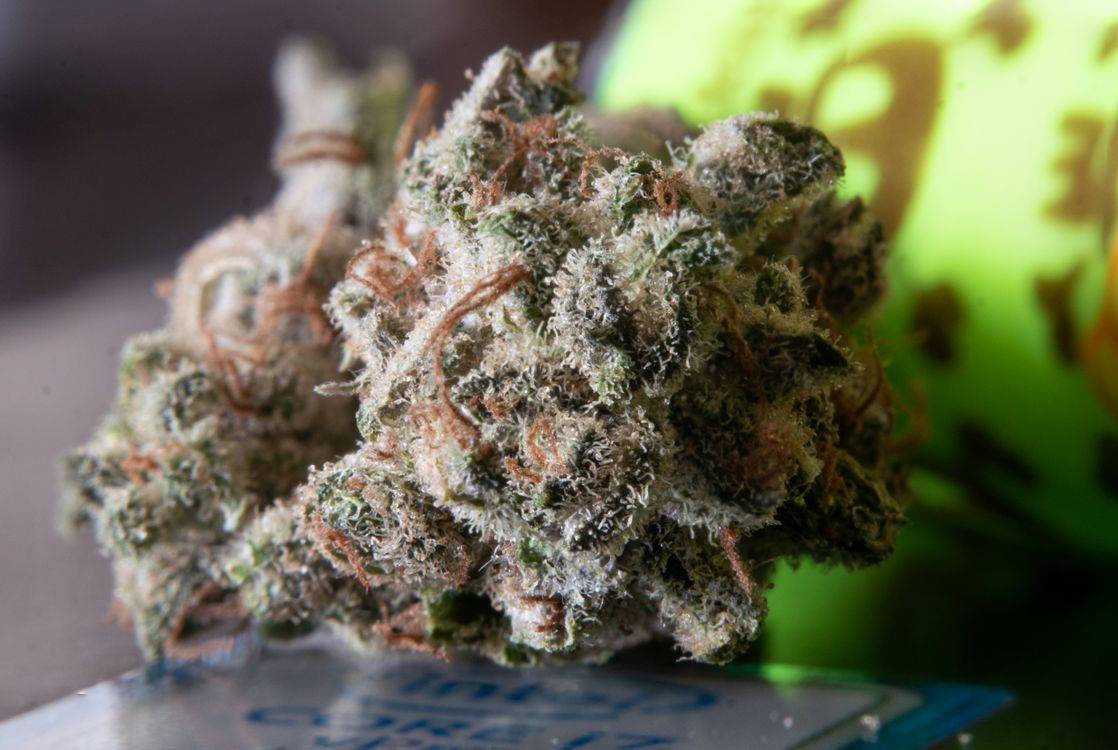
Whether you’re browsing flower, pre-rolls or vaporizer cartridges in Australia, every cannabis product is labelled as indica, sativa or hybrid. But what do these labels actually mean — and are they the most useful way to choose a product? This guide explains the strain framework, the role of terpenes, how THC and CBD interact with strain type, and how to navigate the Australian cannabis catalogue to find products that suit your needs.
What is a cannabis strain (cultivar)?
A cannabis strain (more accurately called a cultivar in modern botanical terminology) describes the genetic lineage of a particular cannabis plant and the expected cluster of effects and flavour characteristics that lineage produces.
The indica/sativa/hybrid classification is a simplified shorthand that originated with 18th century European botanists classifying plant morphology — not pharmacology. Modern cannabis research shows that the actual effect profile is more accurately predicted by the product’s cannabinoid and terpene chemistry than by its morphological classification alone.
That said, the indica/sativa/hybrid framework remains the universal shorthand used by Australian cannabis suppliers and medicinal cannabis prescribers, and it provides a useful starting point for understanding what to expect.
Indica strains — effects, uses and terpene profiles
Indica strains are associated with a heavier, more body-focused, sedating effect. Traditionally grown in mountainous, harsh-climate regions (Hindu Kush, Afghanistan), indica plants are typically shorter, bushier and faster-flowering than sativas.
Common reported effects:
- Deep physical relaxation and body heaviness
- Sedation and sleepiness
- Reduced anxiety and mental quietness
- Pain relief and muscle relaxation
Best for:
- Evening or night-time use
- Sleep difficulties and insomnia
- Chronic pain — arthritis, back pain, neuropathic pain
- Muscle spasticity and tension
Common indica terpene signatures:
- Myrcene (earthy, musky) — the most abundant terpene in cannabis; thought to produce sedative “couch-lock” effects and enhance THC absorption
- Linalool (floral, lavender) — associated with calming and anti-anxiety effects; the same terpene present in lavender
- Caryophyllene (spicy, peppery) — binds to CB2 receptors, associated with anti-inflammatory and pain-relief effects
Popular Australian indica cultivars: Granddaddy Purple, Bubba Kush, Northern Lights, Wedding Cake, OG Kush.
Sativa strains — effects, uses and terpene profiles
Sativa strains are associated with a more uplifting, cerebral, energising effect. Originating in equatorial climates (equatorial Africa, Southeast Asia, Central/South America), sativa plants are typically taller with narrower leaves and longer flowering periods.
Common reported effects:
- Elevated mood and euphoria
- Mental energy, creativity and focus
- Heightened sensory awareness
- Sociability and talkativeness
Best for:
- Daytime use
- Mood support and low energy
- Creative work
- Social situations
- Nausea management
Common sativa terpene signatures:
- Limonene (citrus) — associated with mood elevation, stress relief and anti-anxiety effects
- Pinene (pine, fresh) — thought to support focus and alertness; may counteract some THC-induced short-term memory effects
- Terpinolene (floral, fruity) — often found in sativa-dominant strains; associated with uplifting effects
Popular Australian sativa cultivars: Durban Poison, Jack Herer, Sour Diesel, Green Crack, Amnesia Haze.
Hybrid strains — balanced effects for most users
Hybrid strains are bred from both indica and sativa genetics. Most cannabis products available in Australia today are hybrids, because decades of selective breeding and cross-pollination have made genetically “pure” indica or sativa strains extremely rare.
Hybrids are described as:
- Indica-dominant — effects lean toward body relaxation and sedation
- Sativa-dominant — effects lean toward cerebral energy and mood elevation
- Balanced (50/50) — attempt to offer characteristics of both
Why most Australians prefer hybrids: Hybrids allow cultivators to combine desired qualities from both parent types — for example, the pain relief and body relaxation of an indica with enough sativa character to avoid full sedation. Many of the most popular Australian medicinal cannabis products are balanced or indica-dominant hybrids.
Popular Australian hybrid cultivars: Wedding Cake, Gelato, Blue Dream, Gorilla Glue #4, Runtz, White Widow.
The endocannabinoid system — why cannabis affects everyone differently
Cannabis interacts with the body through the endocannabinoid system (ECS) — a network of receptors (CB1 and CB2), endogenous cannabinoid molecules, and metabolic enzymes found throughout the body.
- CB1 receptors — concentrated in the brain and central nervous system; mediate the psychoactive effects of THC
- CB2 receptors — found primarily in immune tissue; involved in inflammation and pain signalling
Because every individual’s ECS is unique — influenced by genetics, prior cannabis exposure, stress levels and overall health — the same strain can produce meaningfully different effects in different people. This is why personalised product selection and gradual dose titration are recommended over trying to copy someone else’s exact regimen.
What matters more than strain type: THC, CBD and terpenes
Modern cannabis research increasingly shows that the terpene and cannabinoid profile of a product is a more reliable predictor of effects than the strain label alone. Three factors that matter most:
1. THC percentage
The primary determinant of intoxication strength. Higher THC = stronger psychoactive effect and, typically, more potent pain relief and sedation — but also higher risk of anxiety, paranoia and adverse effects.
Australian context: Australian medicinal cannabis products available via prescription range from ~5% THC (low-dose) to 30%+ THC (high-strength flower). For beginners, 10–15% THC is a reasonable starting point.
2. CBD percentage
CBD moderates many of THC’s more intense effects — particularly anxiety and paranoia — and adds anti-inflammatory and anxiolytic properties of its own. Higher CBD:THC ratios reduce intoxication.
| CBD:THC ratio | Effect |
|---|---|
| 20:1 or higher (e.g., 10% CBD / <1% THC) | Non-intoxicating; anxiety relief, inflammation |
| 4:1 (e.g., 8% CBD / 2% THC) | Minimal intoxication; anxiety + pain balance |
| 1:1 (e.g., 10% CBD / 10% THC) | Moderate; balanced relief with manageable intoxication |
| 1:4 or higher THC (e.g., 2% CBD / 20% THC) | Stronger intoxication; pain relief, sleep support |
3. Terpene profile
Terpenes are the aromatic compounds responsible for cannabis’s distinct smell and flavour — but they also modulate the effect via what is known as the entourage effect: the synergistic interaction between cannabinoids and terpenes.
| Terpene | Aroma | Associated effect |
|---|---|---|
| Myrcene | Earthy, musky, mango | Sedation, relaxation, THC amplification |
| Limonene | Citrus | Mood elevation, anxiety relief |
| Caryophyllene | Pepper, spice | Anti-inflammatory, pain relief (CB2 agonist) |
| Linalool | Floral, lavender | Calming, anti-anxiety |
| Pinene | Pine, fresh | Alertness, focus, counteracts memory effects |
| Terpinolene | Floral, fruity | Uplifting, energising |
| Humulene | Earthy, hoppy | Appetite suppression, anti-inflammatory |
How to choose a cannabis strain in Australia
For beginners
- Start with a hybrid with moderate THC (10–15%) and visible CBD content
- Look for strains with linalool or caryophyllene in the terpene profile — these tend to produce gentler, less anxiety-inducing effects
- Avoid high-THC sativa-dominant strains as a starting point — these are most associated with anxiety and paranoia in new users
For sleep and insomnia
- Choose an indica-dominant hybrid with high myrcene content
- Consider THC in the 15–20% range with some CBD (1:1 or 2:1 THC:CBD)
- Dosing 30–60 minutes before bed via vaporizer or edible
For pain management
- Balanced THC/CBD products (1:1) or high-THC indicas with caryophyllene terpenes are most commonly used
- For daytime pain without sedation, CBD-dominant products or balanced hybrids with sativa-leaning terpenes (pinene, limonene)
For mood support and daytime use
- Sativa-dominant hybrids with limonene or pinene terpenes
- Keep THC moderate (10–18%) — very high THC sativas can increase anxiety
- CBD-dominant products are a lower-risk option for anxiety-prone individuals
For experienced users — high-THC varieties
- High-THC flower (22–30%+) is available for patients with established tolerance
- Check terpene profiles carefully — high-myrcene/high-THC combinations can produce strong sedation; high-limonene/high-THC is more stimulating
Strain labels vs. lab testing: which to trust?
In the Australian medicinal cannabis market, products regulated through the TGA pathway must undergo quality testing. Reputable suppliers provide certificate of analysis (CoA) documentation showing exact THC, CBD and terpene percentages by independent laboratory testing.
The strain name is a useful starting point, but the CoA is the ground truth. Two products both labelled “OG Kush” can vary significantly in their actual cannabinoid and terpene content depending on the cultivator, growing method and batch.
The bottom line
The indica/sativa/hybrid framework is a useful starting point, but selecting a cannabis strain in Australia is really about finding the right combination of THC level, CBD level, and terpene profile for your specific needs, tolerance and biology.
Use the strain filter in our shop and check terpene profiles on individual product pages. If you’re new to cannabis, our beginner’s guide to choosing your first product is a good next step.
General information only. Not medical advice. Consult your prescribing doctor about specific products suited to your condition.