
Products
Medicinal Cannabis Topicals — Creams, Patches and Balms Australia Guide (2026)
A complete guide to topical cannabis products in Australia — how cannabis creams, gels, patches and balms work, what conditions they treat, whether they cause psychoactive effects and how to access them in 2026.
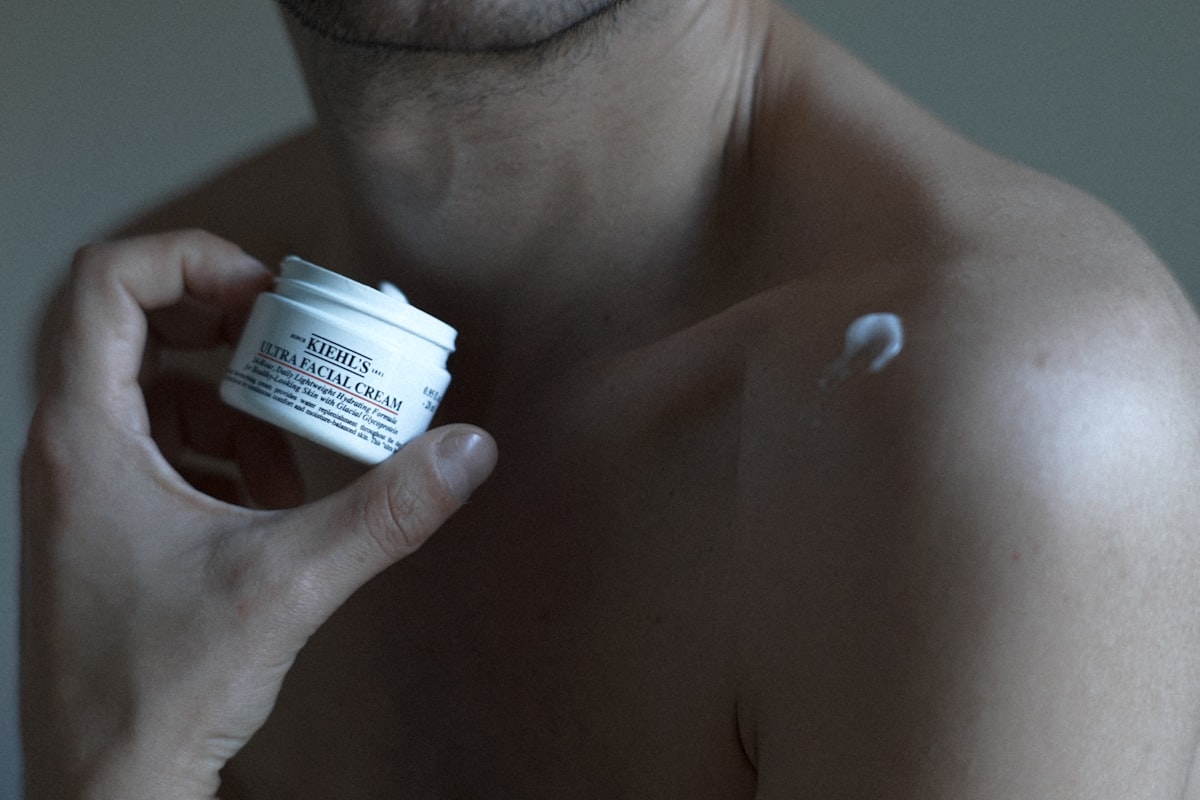
Cannabis topicals — creams, gels, balms, patches and sprays applied directly to the skin — represent a distinct category of medicinal cannabis products. Unlike inhaled or oral cannabis, most topical preparations deliver cannabinoids locally to the application site without producing systemic psychoactive effects. For patients managing localised pain, inflammation or skin conditions, topicals offer targeted relief with minimal whole-body impact.
How cannabis topicals work
The skin contains its own endocannabinoid system — CB1 and CB2 receptors, endogenous cannabinoids and related enzymes are present throughout skin layers and the underlying tissues.
Mechanism of action:
- Cannabinoids (primarily CBD and sometimes THC) in topical preparations penetrate the outer skin layers (stratum corneum, epidermis, dermis)
- They interact locally with CB1 and CB2 receptors in skin cells, nerve endings, keratinocytes, and immune cells
- Anti-inflammatory and analgesic effects occur locally at the application site
- For most topical formulations, cannabinoids do NOT penetrate deeply enough to enter systemic circulation in significant quantities
The result: Local anti-inflammatory and pain-relieving effects without psychoactive effects. This is why cannabis topicals are often described as “non-psychoactive” — the cannabinoids work at the site of application rather than reaching the brain.
Exception: Transdermal patches are specifically designed to drive cannabinoids through all skin layers into systemic circulation. These DO produce systemic effects (including psychoactive effects for THC-containing patches) and are treated more like oral dosing.
Types of cannabis topicals
Creams and lotions: Water-in-oil or oil-in-water emulsions. Easy to apply, comfortable to use. Suited for larger surface areas. Good for joints, muscles, and skin conditions.
Balms and salves: Anhydrous (no water) preparations — typically wax or oil-based. Higher cannabinoid concentration. Better skin barrier penetration. Suited for concentrated, smaller-area application.
Gels: Water-based formulations often with added penetration enhancers. Faster absorption than creams. Can feel cooling — popular for acute muscle soreness.
Transdermal patches: Designed for systemic delivery. Applied to hairless skin (inner wrist, inner arm). Provide sustained, controlled cannabinoid release over 8–24 hours. Psychoactive for THC-containing patches. Useful for patients needing sustained systemic analgesia without repeated dosing.
Oral sprays to skin: Cannabis sprays applied to the inner cheek or sublingual — technically not “topical” but sometimes confused with them. These ARE absorbed systemically and DO produce systemic effects.
Conditions treated with cannabis topicals
Arthritis and joint pain: CBD and combined CBD:THC topicals applied directly to arthritic joints have shown benefit in patient-reported outcomes for pain and stiffness. The knee, hip, hands and wrists are common application areas.
Musculoskeletal pain and sports injury: Applied to sore muscles post-exercise or following injury, cannabis topicals can reduce inflammation and soreness. Popular among athletes managing training load.
Peripheral neuropathy: Topical application over affected areas (feet, hands) can reduce localised neuropathic burning and tingling in some patients.
Skin conditions: CBD’s anti-inflammatory and potential antiproliferative properties have been studied for:
- Psoriasis (reducing inflammation and keratinocyte proliferation)
- Eczema/atopic dermatitis (anti-inflammatory, potential itch relief)
- Acne (anti-inflammatory, sebum regulation)
Headache: Some patients apply cannabis balm to the temples and neck for tension headache and migraine management. Evidence is anecdotal; mechanisms may involve localised CB1 receptor activity.
Do cannabis topicals cause psychoactive effects or fail drug tests?
Standard topicals (creams, balms, gels): For most patients, standard topical preparations do NOT produce psychoactive effects and do not produce positive roadside or workplace drug tests. The cannabinoids remain local.
Transdermal patches: These DO produce systemic effects and may result in positive drug tests. Treat transdermal patches like oral or inhaled dosing — do not drive after application if the patch contains THC.
Important caveat: If you have damaged, broken or highly permeable skin, more cannabinoid may absorb systemically than intended. Use with caution on broken skin.
Accessing cannabis topicals in Australia
TGA-prescribed cannabis topicals require the same SAS-B prescription pathway as other cannabis products:
- Consult with a TGA-authorised prescriber (telehealth or in-person)
- Prescriber applies for topical cannabis under SAS-B or Schedule 4 (CBD-only products)
- Prescription dispensed through registered pharmacy
- Product delivered nationally
Cannabis topicals are also produced by some Australian compounding pharmacies — allowing prescribers to specify exact cannabinoid ratios and formulation characteristics for individual patients.
Note: Over-the-counter CBD topicals (cosmetic skincare with CBD) are sold without prescription in Australian health food stores and pharmacies. These are not TGA-approved medicinal cannabis products and have no verified cannabinoid content or therapeutic standards. For therapeutic use, TGA-prescribed topicals are required.
Frequently asked questions — cannabis topicals
Can I use a cannabis topical if I can’t take CBD or THC orally?
Yes — standard topical preparations don’t produce systemic effects for most patients. They are appropriate for patients who can’t or won’t use oral or inhaled cannabis, particularly for localised pain and inflammation.
How much topical should I apply?
Follow your prescriber’s guidance. As a general guide, a pea-to-grape sized amount is typical for joint or muscle application. Apply and gently massage into the skin. Effects typically develop within 20–45 minutes.
Can I use cannabis topicals during pregnancy?
No. Cannabis in any form during pregnancy is not recommended. Discuss with your obstetrician.
Do cannabis topicals smell like cannabis?
Many do — terpenes (particularly myrcene, caryophyllene, pinene) in cannabis give topicals a distinct herbal aroma. Fragrance-modified or encapsulated cannabinoid formulations may reduce or eliminate this smell. Ask your prescriber or pharmacy about low-odour options if this matters.
How are cannabis topicals different from CBD cosmetics?
TGA-prescribed cannabis topicals are pharmaceutical-grade products with verified cannabinoid content and therapeutic evidence review. CBD cosmetics sold in stores are classified as cosmetics, not medicines — no TGA-standard testing, no verified potency, no therapeutic claims permitted.