
Products
Harlequin Strain — Australia's Guide to the High-CBD Daytime Strain (2026)
Harlequin is one of the most important high-CBD cannabis strains ever developed — a 5:2 CBD:THC ratio strain that delivers pain relief, anxiety reduction and anti-inflammatory effects without significant psychoactive impairment. A complete Australian guide.
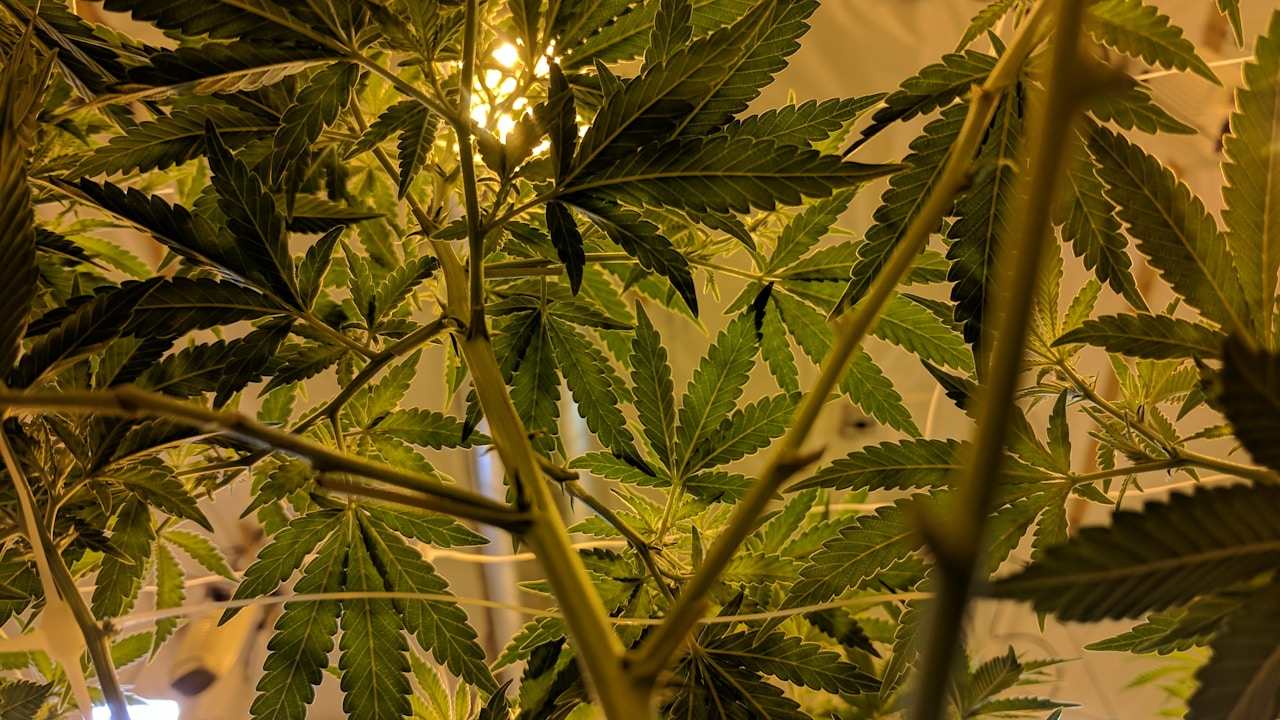
Harlequin holds a unique position in cannabis history — it was one of the first commercially successful high-CBD strains, developed and popularised in the early 2000s before CBD’s medicinal significance was widely understood. While the cannabis market was focused almost exclusively on maximising THC, Harlequin’s breeders preserved and stabilised a strain with a consistent 5:2 CBD:THC ratio, creating a product that provides pain relief, anti-inflammatory effects and anxiety reduction with minimal to no psychoactive impairment.
For Australian medicinal patients who need daytime symptom management without impairment, Harlequin is one of the most clinically significant strains available.
Genetics and origins
Harlequin was developed by Mr. Green of the House of David collective in California. Its complex lineage draws on multiple high-CBD landrace varieties:
- Colombian Gold (Colombian sativa landrace): Energising, mood-lifting, earthy
- Thai landrace (Thai sativa): Cerebral, uplifting, herbal
- Swiss landrace: Mellow, balanced, neutral
- Nepali indica landrace: Body relaxation, some resin content
The specific breeding work that produced Harlequin’s stabilised CBD dominance drew on the CBD-expressing genetics present in some of these landraces, which were then selected over multiple generations to fix the high-CBD trait.
Classification: Sativa-dominant hybrid (75% sativa / 25% indica)
Cannabinoid profile
| Cannabinoid | Typical content |
|---|---|
| CBD | 8–16% |
| THC | 4–7% |
| Ratio | Approximately 5:2 CBD:THC |
Harlequin’s defining characteristic is its CBD:THC ratio — approximately 5 parts CBD to 2 parts THC. This ratio produces a dramatically different experience from high-THC strains.
What the 5:2 CBD:THC ratio means clinically:
- CBD at this level actively modulates and reduces THC’s psychoactive effects through allosteric modulation of CB1 receptors
- The result: therapeutic effects from both cannabinoids, with the psychoactive impairment significantly blunted
- Most patients report clear-headedness or very mild, comfortable THC sensation rather than the intoxicating “high” of THC-dominant strains
- Drug driving implications: THC is still present and will appear in roadside drug tests — do not drive
Terpene profile
Harlequin’s aroma is mellow, earthy and sweet compared to fuel-forward high-THC strains:
- Myrcene — earthy, musky, mango-like; anti-inflammatory and relaxing; the primary terpene
- Caryophyllene — spicy, peppery; direct CB2 anti-inflammatory binding
- Pinene — fresh pine; mental clarity and alertness; counteracts some THC-related impairment; ideal for the daytime use profile
- Ocimene — sweet, herbal, tropical; unusual prominence; adds sweetness
- Terpinolene — fresh, herbal; energising; complements the sativa genetics
The pinene content is particularly relevant for daytime use — pinene is associated with alertness, focus and mental clarity, and may specifically counteract THC-related short-term memory effects.
Effects and experience
Harlequin’s effect profile is fundamentally different from all THC-dominant strains in this spotlight series. It is not a “high” in the conventional sense — it is a therapeutic modulation of pain, inflammation and anxiety with preserved cognitive function.
Onset: 10–20 minutes inhaled. A gentle, clear-headed sense of ease — tension reduces, discomfort recedes, focus improves slightly. No euphoric rush, no mental alteration, no sedation.
Cognitive function: Preserved. Most patients can work, drive conversations, use computers and manage daily responsibilities without impairment. This is Harlequin’s core value for daytime use.
Body: Mild physical relaxation without heaviness. Pain relief without sedation. Anti-inflammatory effects that develop over 30–60 minutes.
Mood: Gently positive, without the euphoric spike of high-THC strains. Some patients describe a “lifted baseline” — not dramatically elevated mood, but more comfortable and less burdened than before dosing.
Drug driving note: Despite the minimal impairment, THC is present in Harlequin and WILL produce a positive roadside drug test. Zero-tolerance drug driving laws apply. Do not drive after consuming Harlequin.
Medicinal applications
Chronic pain (daytime, functional): Harlequin is the flagship strain for daytime pain management where patients must remain functional. CBD’s anti-inflammatory and analgesic properties combined with low-dose THC analgesia provide meaningful relief for inflammatory pain (arthritis, fibromyalgia, endometriosis) without the sedation that limits daytime use of high-THC strains.
Anxiety (daytime): CBD is one of the most evidence-backed natural anxiolytics. Harlequin’s CBD-dominant profile provides anxiety relief without the THC-related risk of anxiety exacerbation at high doses. Suitable for patients with anxiety disorders who need all-day management.
Inflammation: The combination of CBD (COX-2 inhibition, cytokine modulation) and caryophyllene (direct CB2 anti-inflammatory action) makes Harlequin one of the most genuinely anti-inflammatory cannabis options available. Used by patients with inflammatory conditions including IBD, autoimmune disease and post-injury inflammation.
Multiple sclerosis: The anti-inflammatory, antispasmodic and pain-relieving properties of CBD:THC combinations are well-studied in MS. Harlequin’s daytime-functional profile makes it useful for MS patients managing spasticity and pain during active hours.
Epilepsy (adjunct): Not a substitute for pharmaceutical CBD (Epidyolex) in treating Dravet syndrome or LGS — the CBD dose in a Harlequin puff is nowhere near the weight-based doses used in epilepsy treatment. However, some epilepsy patients use CBD-dominant cannabis as an adjunct. Always consult your neurologist.
Cancer (pain and inflammation): Some Australian cancer patients use Harlequin during the day for pain and nausea management when they need to remain functional for appointments, family commitments or work.
Appearance, aroma and flavour
Appearance: Tall, sativa-dominant structure with long, narrow fan leaves (like the photo above) and moderately dense, elongated buds. Less visually striking than high-THC dessert strains — paler green, more leaf-to-bud ratio, not the dense crystalline frost of GG4. But what Harlequin lacks in bag appeal it more than compensates for in daytime therapeutic utility.
Aroma: Mellow, earthy-sweet with mango and tropical fruit notes (from myrcene and ocimene), a fresh pine top note, and a muted spice undertone. Much gentler than fuel-forward strains — not assertive, not pungent, not room-filling. A subtle, pleasant aroma.
Flavour when vaporised: Sweet, earthy and smooth at low temperatures. The mango-tropical character of myrcene at lower concentrations comes through. Clean finish without harshness. The absence of high-THC’s sometimes sharp bite makes Harlequin one of the smoothest vaporising strains in this series.
Who Harlequin suits
Best for:
- Daytime pain and inflammation management with preserved function
- Anxiety disorders requiring all-day management
- Patients who want therapeutic cannabis effects without impairment
- First-time cannabis patients or those with low THC tolerance who are building toward higher THC products
- Cannabis patients who need to interact with family, work, or care responsibilities throughout the day
- MS, autoimmune and inflammatory condition patients
Not ideal for:
- Severe pain requiring high-potency THC analgesia
- Insomnia (not sedating enough)
- Patients specifically seeking the euphoric/recreational cannabis experience
Frequently asked questions — Harlequin
Does Harlequin get you high? Not in the conventional sense. The 5:2 CBD:THC ratio allows CBD to significantly modulate THC’s psychoactive effects. Most patients report clear-headedness with mild, comfortable physical relaxation. However, THC is present and sensitive individuals may notice mild mental effects. Drug tests will be positive.
Is Harlequin safe to drive after consuming? No. Despite the minimal impairment, THC in Harlequin means positive roadside drug test results. Zero-tolerance drug driving laws apply in all Australian states and territories. Do not drive after consuming any cannabis product containing THC, including Harlequin.
How does Harlequin compare to CBD oil? Both provide CBD’s therapeutic benefits. Harlequin also provides the entourage effect of whole-plant terpenes, minor cannabinoids and trace THC, which many patients report produces better outcomes than isolated CBD oil alone. Harlequin requires a TGA prescription and is consumed by inhalation or vaporising; CBD oil is taken sublingually. Which is better depends on your condition, route of administration preference and prescriber guidance.
Is Harlequin available in Australia? Yes — Harlequin and high-CBD cannabis cultivars are available through Australia’s TGA SAS-B prescription framework. Availability varies by pharmacy and region; telehealth prescribers familiar with the Australian medicinal market can advise on current availability.