
Products
White Widow Strain — Effects, Terpenes & Medicinal Uses in Australia (2026)
White Widow is one of the most legendary cannabis strains in history — a Dutch classic with extreme resin production, balanced hybrid effects and a spicy-earthy aroma. A complete guide to White Widow's profile, medicinal uses and availability in Australia.
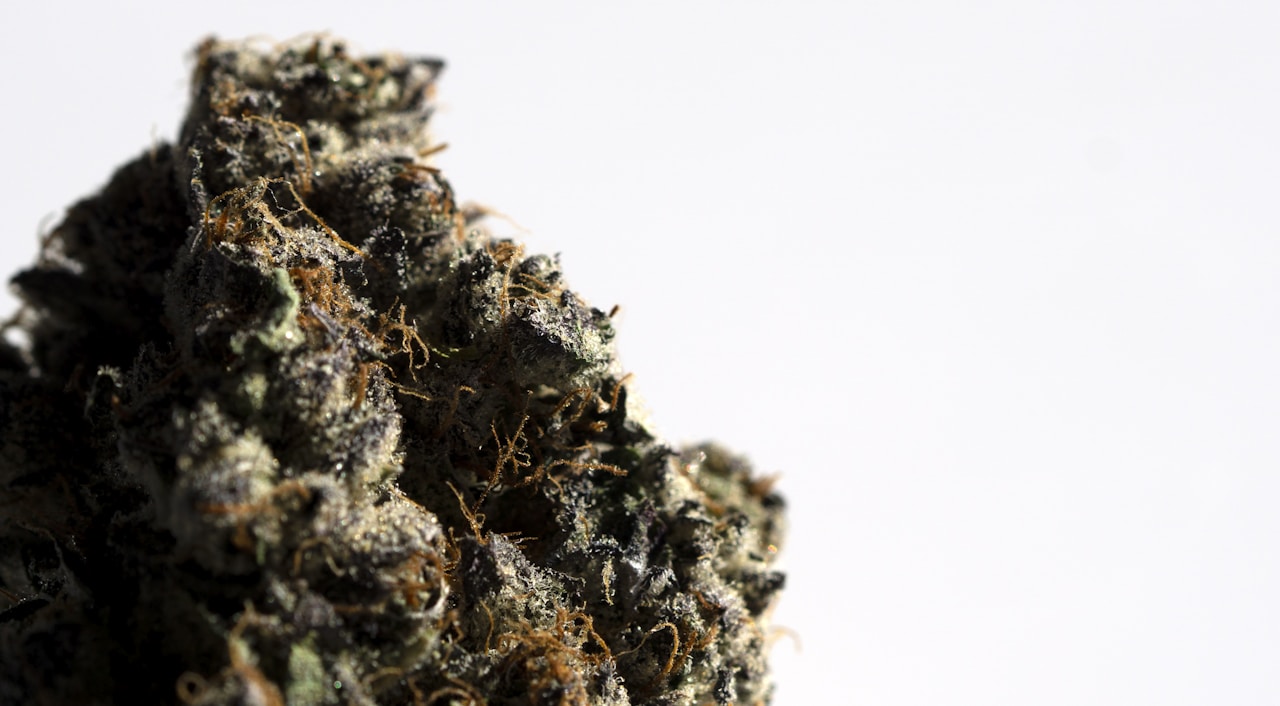
White Widow is one of the most famous cannabis strains in history — a Dutch classic developed in the early 1990s that won the 1995 High Times Cannabis Cup and transformed coffee shop culture in the Netherlands. Its name comes from the extraordinary white crystalline trichome coat that covers every surface of the buds, making them appear almost powdered with frost. For Australian medicinal patients, White Widow offers a well-studied, reliable balanced hybrid effect with decades of documented use.
Genetics and origins
White Widow was developed in the Netherlands by Green House Seeds, created by breeder Shantibaba (later of Mr. Nice Seed Bank). The cross combines:
- Brazilian sativa landrace: Uplifting, cerebral sativa energy; slightly earthy and spicy
- South Indian indica landrace (Kerala): Deep body relaxation; earthy and peppery; resin production
The marriage of these two old-world landraces produced a hybrid that captured the best of both worlds: the cerebral energy of the Brazilian sativa tempered by the physical relaxation of the South Indian indica, with resin production that exceeded either parent.
White Widow’s genetics have been used to breed dozens of subsequent strains: White Russian, White Rhino, Blue Widow, and White Nightmare among others.
Classification: Balanced hybrid (50% indica / 50% sativa)
Cannabinoid profile
| Cannabinoid | Typical content |
|---|---|
| THC | 18–25% |
| CBD | <1% |
| CBG | Up to 1% |
White Widow sits in the high-THC range with modest CBD content. Some CBG content is noted — CBG (cannabigerol) is the precursor cannabinoid from which THC and CBD are biosynthesised, and trace amounts may contribute to White Widow’s effect profile.
Terpene profile
White Widow’s spicy, earthy, peppery aroma reflects its landrace heritage:
- Caryophyllene (dominant) — spicy, peppery; direct CB2 binding; anti-inflammatory and analgesic support; central to the body-effect experience
- Myrcene — earthy, musky; relaxing and sedating at higher concentrations
- Pinene — fresh pine; mental clarity; may reduce some THC-related memory effects
- Limonene — citrus; mood-lifting; brightens the earthy base
- Terpinolene — fresh, herbal, slight floral note; adds the unique “clean” quality to White Widow’s aroma
Effects and experience
White Widow is celebrated for a sharp, clear-headed onset followed by a deep physical relaxation — a textbook balanced hybrid experience.
Onset: 5–15 minutes inhaled. A rush of mental clarity and euphoria — sharp, alert, focused. White Widow’s cerebral onset is often described as more “clean” and “clear” than the heavier, dreamier onset of OG Kush or GG4. Conversation flows easily; creative work feels accessible.
Body: Physical relaxation builds gradually and is thorough — not as heavy as a pure indica, but significant muscle relaxation and a comfortable, warm physical ease.
Functional zone: White Widow has an unusually wide functional dose range — at low-to-moderate doses, many patients can continue light cognitive work. At higher doses, sedation increases and productivity decreases.
Duration: 2–3 hours inhaled; 4–6 hours oral.
Side effects: At high doses — anxiety, dry mouth, red eyes, short-term memory impairment typical of high-THC cannabis. The spicy caryophyllene profile can occasionally produce mild throat irritation when vaporised at high temperatures.
Medicinal applications
Pain and inflammation: White Widow’s caryophyllene-dominant terpene profile directly engages CB2 receptors in the peripheral immune and nervous system, providing meaningful anti-inflammatory and analgesic effects. One of the better-documented strains for arthritis, inflammatory conditions and post-exercise recovery.
Depression and fatigue: The clear, energising cerebral onset without heavy sedation makes White Widow a good choice for depression patients who need mood elevation without being put to sleep. Better for morning-to-midday use than heavy indicas.
Stress: The simultaneous mental clarity and physical relaxation combination is highly effective for acute and chronic stress. The balanced profile prevents the dissociated, heavy fog of pure indicas while delivering the physical ease that manages the somatic symptoms of stress.
PTSD: White Widow’s balanced profile suits PTSD patients who need daytime anxiety and hyperarousal management without the cognitive impairment of heavy sedating strains.
Creative applications: White Widow is a popular choice among patients who use cannabis to support creative activities — writing, music, art. The clear cerebral stimulation enhances lateral thinking without the anxiety that some pure sativas can produce.
Insomnia (mild-to-moderate): At higher doses, White Widow’s body relaxation becomes sufficient for sleep induction. Better suited to mild-to-moderate insomnia than severe presentations.
Appearance, aroma and flavour
Appearance: White Widow’s most striking feature is its extraordinary trichome coverage — the white crystalline coating that covers every surface of the bud, giving it the bleached, frosty appearance the strain is named for. Dense, medium-sized buds with moderate orange pistil hairs almost hidden beneath the trichome coat. The overall impression is silvery-white, unlike any other strain.
Aroma: Earthy, spicy, peppery — reflecting the South Indian indica landrace genetics — with a pine freshness and a subtle sweetness underneath. Less sweet than Gelato or Runtz; more herbaceous and earthy than OG Kush’s fuel notes. A classic, traditional cannabis aroma.
Flavour when vaporised: Clean and herbal at low temperatures. The spicy pepper note (caryophyllene) comes through clearly. Smooth and earthy with a pine finish. Traditional rather than trendy — the opposite end of the spectrum from candy strains like Runtz.
White Widow’s historical significance
Understanding White Widow’s importance to cannabis history provides context for its continued prevalence in the Australian medicinal market. When it won the 1995 Cannabis Cup, it set a new standard for potency and resin production that drove subsequent breeding programs. The term “widow” in strain naming — White Widow, Black Widow, Blue Widow — essentially derives from this strain’s impact. It remains in the top-10 most available strains globally in 2026.
Who White Widow suits
Best for:
- Daytime-to-early evening use
- Depression, fatigue and stress management
- Pain patients who need to remain cognitively functional
- Creative work and focus-requiring tasks
- Patients who prefer a traditional, classic cannabis profile over trendy dessert strains
Not ideal for:
- Severe insomnia requiring maximum sedation
- Very high THC seekers (GG4 and Wedding Cake are more potent)
- Cannabis-naive patients
Frequently asked questions — White Widow
Is White Widow indica or sativa? True 50/50 balanced hybrid — one of the most genuinely balanced hybrids in common cultivation. Its effects reflect this balance: clear cerebral onset with significant physical relaxation.
Why is White Widow white? The extreme trichome density gives the buds their white appearance. Trichomes are the resin glands that produce cannabinoids and terpenes — White Widow produces more of them per surface area than most cannabis varieties, creating the characteristic frosted appearance.
Is White Widow still popular? Yes — despite being over 30 years old, White Widow remains one of the most widely available and consistently popular cannabis strains globally. Its reliability, predictable effects and the historical track record that comes with decades of selective growing make it a trusted choice for many medicinal patients.