
Products
Blue Dream Strain — Effects, Terpenes & Medicinal Uses in Australia (2026)
Blue Dream is one of the world's best-selling cannabis strains and a top choice for Australian daytime medicinal use. Discover its balanced sativa effects, berry aroma, THC content, terpene profile and why it suits pain patients who need to stay functional.
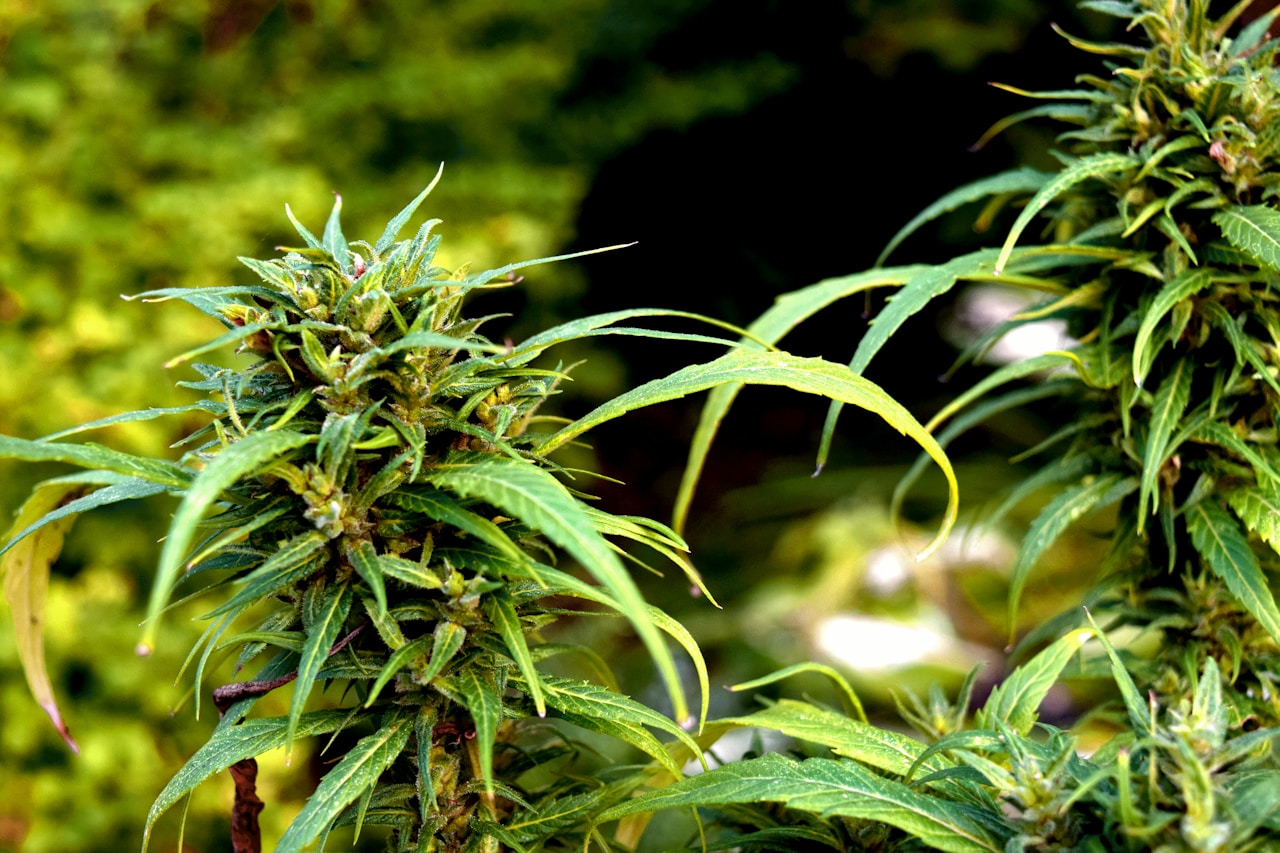
Blue Dream has been one of the top-selling cannabis strains in North America for over a decade, and for good reason — it delivers a smooth, well-rounded effect that manages pain and tension without overwhelming sedation. In Australia’s medicinal cannabis market, Blue Dream’s balanced profile makes it one of the most accessible sativa-dominant strains for daytime use.
Genetics and origins
Blue Dream was developed in California in the early 2000s, most likely as a cross between Blueberry (indica, by DJ Short) and Haze (sativa). The Blueberry parent contributes the distinctive sweet berry aroma and a relaxing body component; the Haze parent brings the cerebral energy, creative uplift and sativa growth characteristics.
The strain’s name comes from both the blueberry-forward flavour and the dreamy, gentle euphoria it produces — neither the hard sedation of a heavy indica nor the racing, anxious energy of a strong sativa.
Classification: Sativa-dominant hybrid (60–70% sativa)
Cannabinoid profile
| Cannabinoid | Typical content |
|---|---|
| THC | 17–24% |
| CBD | 0.1–2% |
| CBG | Trace amounts |
Blue Dream sits in the high-THC range but is typically less intense than OG Kush or Wedding Cake at equivalent doses, thanks to its more balanced effect profile and slightly lower average THC ceiling. Some Blue Dream phenotypes carry a meaningful amount of CBD (1–2%), which further tempers the experience.
Terpene profile
Blue Dream’s aroma is one of its most distinctive features — a sweet, fresh berry scent underpinned by earthy and floral notes.
- Myrcene (dominant) — earthy, musky; relaxing; the calming counterweight to the sativa energy
- Caryophyllene — spicy, peppery; anti-inflammatory CB2 activity; adds depth to the aroma
- Pinene — fresh pine; keeps the mental clarity sharp; may reduce some THC-related memory effects
- Terpinolene — fresh, floral, slightly herbal; contributes to the dream-like, euphoric quality
- Linalool — floral, lavender; calming support
Effects and experience
Blue Dream’s effect profile is described universally as “balanced” — a word that undersells how well-executed the balance actually is. It manages to be simultaneously:
- Energising without being racy
- Euphoric without being overwhelming
- Relaxing without being sedating
- Pain-relieving without impeding function
Onset: Within minutes (inhaled) — a gentle cerebral lift that expands mood and creative thinking without the sharp THC spike of a heavy-hitting strain.
Body: A warm, comfortable body ease gradually develops over 20–40 minutes — tension melts, muscles loosen, but you remain awake and functional. The Blueberry indica genetics prevent the Haze from going too racy.
Duration: 2–3 hours inhaled; 4–6 hours oral.
Higher doses: Progressive sedation at higher doses. Above a patient’s comfort zone, Blue Dream can tip into the full-body relaxation territory typical of indica-dominant strains. Finding the personal sweet spot between cerebral and sedating is usually straightforward.
Medicinal applications
Chronic pain (daytime): Blue Dream’s most prominent medicinal use case. Patients with pain conditions who need to remain functional during the day — working, caring for family, attending appointments — find Blue Dream delivers meaningful analgesia without sedating them.
Depression: The mood-elevating, euphoric qualities of Blue Dream’s sativa profile are among the most cited by Australian patients managing depression. The gentle, sustained uplift avoids the crash that sometimes follows heavier THC products.
Fatigue and low motivation: Blue Dream can restore a sense of energy and purposefulness for patients dealing with fatigue from chronic illness, cancer treatment, or mental health conditions. Appropriate for morning-to-early-afternoon use.
Anxiety (mild-to-moderate): Blue Dream’s moderate THC level and balanced profile is more forgiving for anxiety than high-THC indica strains. However, as with all THC-containing products, very high doses can worsen anxiety in sensitive patients.
Nausea: Patients using cannabis for chemotherapy-induced or chronic nausea find Blue Dream effective during the day when they need to eat and function simultaneously.
PTSD: Some PTSD patients prefer Blue Dream’s gentle euphoria for daytime hyperarousal management without the sedation that makes afternoon use impractical.
Appearance, aroma and flavour
Appearance: Classic sativa-dominant structure — longer, more elongated buds compared to dense indica flowers. Light green with a thin layer of orange pistil hairs and moderate trichome coverage.
Aroma: Unmistakably sweet — ripe blueberries, sometimes strawberry, with a fresh floral and earthy pine undertone. One of the most pleasant aromas in common cannabis cultivation.
Flavour when vaporised: The berry sweetness comes through clearly at low temperatures (160–175°C). A smooth, gentle inhale with a clean, sweet finish. Much less harsh than fuel-forward strains like OG Kush or Sour Diesel.
Who Blue Dream suits
Best for:
- Daytime pain management while remaining functional
- Depression, mood disorders and fatigue
- Cannabis patients who want uplift without sedation
- Newer patients transitioning from CBD products to mild THC — Blue Dream’s balanced nature makes it more forgiving
- Creative activities, social use, mild productivity enhancement
Not ideal for:
- Severe insomnia (too energising; prefer OG Kush or Northern Lights for sleep)
- Very high-pain situations requiring maximum analgesia (consider a higher-THC indica)
- Patients who are very sensitive to THC
Blue Dream in Australia’s medicinal market
Blue Dream flower and extract products are widely available through Australia’s TGA prescription framework. It is one of the most commonly stocked strains by Australian medicinal cannabis pharmacies, making it reliably accessible.
Browse Blue Dream and sativa-dominant products or read how to access medicinal cannabis in Australia.
Frequently asked questions — Blue Dream
Is Blue Dream good for anxiety? At moderate doses, yes — Blue Dream’s balanced THC level and gentle euphoria can ease anxiety without the intensity of high-THC indica strains. At high doses, THC-related anxiety is possible. Start low and find your personal dose ceiling.
Does Blue Dream make you tired? Not typically at low-to-moderate doses. At higher doses, the indica Blueberry genetics assert themselves and sedation increases. It is much less sedating than OG Kush or Northern Lights at equivalent doses.
Is Blue Dream sativa or indica? Sativa-dominant hybrid — approximately 60–70% sativa. Its effects reflect this clearly: more cerebral uplift and creative energy than body sedation, though with meaningful physical relaxation.
What does Blue Dream smell like? Sweet blueberries and fresh berries with earthy pine and floral undertones. One of the most distinctively pleasant aromas in cannabis — immediately recognisable to anyone who has encountered it before.