
Legal
How to Get Medicinal Cannabis in Australia — Prescriptions, Telehealth & Costs (2026)
Step-by-step guide to getting a medicinal cannabis prescription in Australia — who qualifies, how telehealth works, TGA pathways, what it costs and how long it takes.
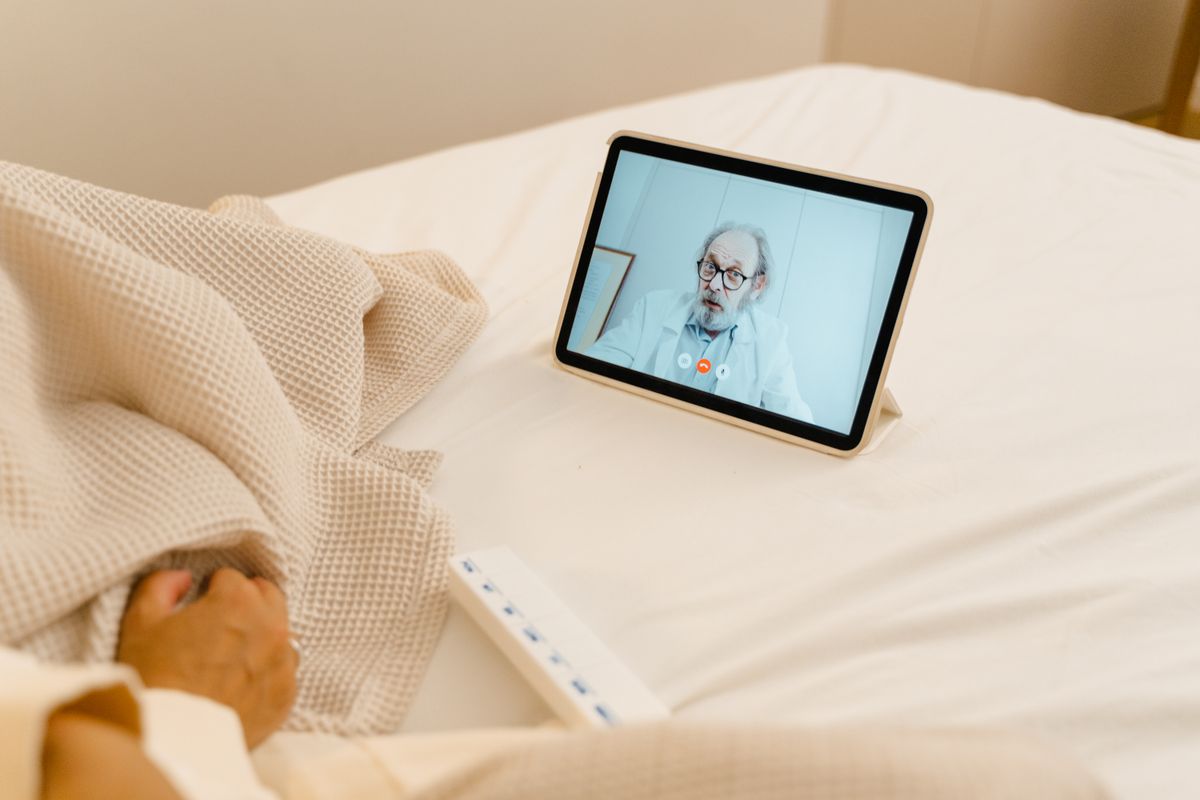
More than 900,000 Australians now hold a valid medicinal cannabis prescription — and the process to get one has never been simpler or faster. In 2016, getting a medicinal cannabis prescription required specialist referrals, TGA approval applications and months of paperwork. Today, most patients can have an initial telehealth consultation, receive a prescription and have products dispensed to their door within two to four weeks.
This guide explains exactly how it works — who qualifies, which pathway applies to you, what to expect from the consultation, how much it costs, and what products are available.
Do I qualify for medicinal cannabis?
There is no fixed list of conditions that automatically qualify or disqualify you for medicinal cannabis in Australia. The TGA has taken a condition-agnostic approach since 2021 — meaning a prescribing doctor can authorise cannabis for any condition where they believe the benefits outweigh the risks.
That said, the vast majority of Australian medicinal cannabis prescriptions are issued for these conditions:
Most commonly prescribed for:
- Chronic non-cancer pain (the most common indication — >60% of all prescriptions)
- Insomnia and sleep disorders
- Anxiety disorders (generalised anxiety, social anxiety, PTSD)
- Chemotherapy-induced nausea and vomiting
- Epilepsy and seizure disorders
- Multiple sclerosis (muscle spasm and neuropathic pain)
- Palliative/cancer-related pain
Also frequently prescribed for:
- Fibromyalgia
- Endometriosis
- ADHD (emerging indication)
- Crohn’s disease and inflammatory bowel disease
- Spinal cord injury
- Post-traumatic stress disorder
- Headaches and migraines
- Complex Regional Pain Syndrome (CRPS)
- Parkinson’s disease
You are more likely to qualify if:
- You have tried at least one conventional treatment that hasn’t worked or has caused intolerable side effects
- You have a documented diagnosis of a chronic condition
- You are 18 or older (paediatric prescriptions are available but require specialist involvement)
You are less likely to be approved if:
- You have a personal or close family history of psychosis or schizophrenia (THC is contraindicated)
- You are pregnant or breastfeeding
- You have certain cardiovascular conditions
- Your condition is acute rather than chronic
The two prescription pathways
1. Special Access Scheme Category B (SAS-B) — the most common pathway
The SAS-B is a TGA mechanism that allows any registered Australian medical practitioner to prescribe unregistered therapeutic goods (including medicinal cannabis) to an individual patient. Since 2021, SAS-B applications for many medicinal cannabis products are now self-assessed — meaning the prescriber does not need to submit paperwork to the TGA before issuing the prescription. The approval is essentially automatic if the prescriber determines the treatment is appropriate.
This pathway is used for the vast majority of Australian medicinal cannabis prescriptions.
What you need: A registered GP willing to prescribe medicinal cannabis (many GPs at cannabis telehealth platforms hold this authorisation). The patient does not deal with the TGA directly — your doctor handles everything.
2. Authorised Prescriber (AP) Scheme
An Authorised Prescriber is a GP or specialist who has been individually approved by the TGA to prescribe specific medicinal cannabis products for specific indications without making individual SAS-B applications. AP prescribers can issue repeats and manage ongoing prescriptions more efficiently.
AP status is common among cannabis-specialist GPs at telehealth platforms. This pathway is ideal for ongoing prescriptions.
What happened to Schedule 8 registration?
THC-containing products in Australia are classified as Schedule 8 (controlled substance). This means prescriptions are subject to state and territory drug regulations, which vary slightly but generally allow:
- A defined supply quantity per prescription
- Tracking through state S8 registers
- No online prescriptions for S8 in some states (though telehealth video consultations are usually acceptable)
Your prescribing platform will navigate these regulations on your behalf.
Step-by-step: how to get a medicinal cannabis prescription
Step 1 — Book a telehealth consultation
The most common starting point is a telehealth (video call or phone) consultation with a cannabis-specialist GP. Major platforms include:
- Alternaleaf — largest network, 200,000+ patients, bulk billing available for some patients
- Polln — specialises in pain, anxiety and sleep
- Leafio — known for thorough initial consultations
- Median and CanView — other registered providers
- Your own GP — if they’re willing to prescribe, your regular doctor can issue the prescription
Initial consultations typically cost $50–150, with telehealth services often refundable or bulk-billed depending on your Medicare eligibility.
Step 2 — Prepare your medical history
Before your appointment, gather:
- Current medications — full list including OTC and supplements (cannabis interacts with some drugs, particularly anticoagulants and some antidepressants)
- Previous diagnoses — referral letters, specialist reports if available
- Treatment history — which medications you’ve tried and why they were unsatisfactory
- Symptom severity — use a pain scale (0–10) or a validated measure for your condition if you have one
You don’t need to have tried every possible medication first — but demonstrating that you’ve sought other treatments helps support your case for cannabis.
Step 3 — The consultation
Your GP will:
- Review your medical history and current condition
- Discuss your symptoms and what you hope to achieve with cannabis
- Explain the products they’re considering and why
- Discuss risks, interactions and expectations
- Determine whether you meet criteria for a prescription
If approved, your GP completes the SAS-B self-assessment or uses their AP authorisation and writes a prescription.
If not approved at first: ask for documentation of why and what steps (if any) would change the outcome. Some patients need specialist referrals or more documented conventional treatment history.
Step 4 — Prescription fills and dispensing
Medicinal cannabis prescriptions in Australia are dispensed through:
- Registered compounding pharmacies — many of which specialise in medicinal cannabis and can ship to your door (1–5 business days)
- TGA-registered cannabis pharmacies — some states have dedicated medicinal cannabis pharmacy facilities
- Regular pharmacies — if they stock the prescribed product
Your prescribing platform usually partners with a dispensing pharmacy and can arrange delivery directly. Ask about this when booking — it simplifies the process considerably.
First fill timing: allow 1–3 weeks from your initial consultation to receiving your first product.
What products are available?
Australian medicinal cannabis products must be manufactured to Good Manufacturing Practice (GMP) standards. Available formats include:
| Product type | Common THC:CBD ratios | Best for |
|---|---|---|
| Dried flower (for vaporising) | Various | Rapid onset, breakthrough pain, sleep onset |
| Oil (sublingual/oral) | High CBD, balanced, THC-dominant | Sustained relief, anxiety, sleep maintenance |
| Capsules / soft gels | Typically balanced or CBD-dominant | Consistent dosing, extended duration |
| Lozenges / wafers | Often balanced | Discreet, convenient, moderate onset |
| Topical creams | High CBD | Localised pain and inflammation |
Note: Cannabis edibles (gummies, brownies, infused food) are not currently available through the medicinal cannabis pathway in Australia — only through retail cannabis providers.
Australian medicinal products are sourced from licensed Australian cultivators and importers, with full traceability, testing and GMP certification. This is distinct from retail cannabis products, which do not fall under the TGA framework.
How much does medicinal cannabis cost in Australia?
Consultation costs
- Initial telehealth: $50–150 (sometimes bulk billed)
- Follow-up appointments: $30–80 (required every 3–6 months for repeat prescriptions)
Medication costs
| Product type | Monthly cost estimate |
|---|---|
| CBD oil (dominant, 50–100mg/day) | $80–150/month |
| Balanced CBD:THC oil | $100–200/month |
| THC-dominant oil or capsules | $120–250/month |
| Dried flower (low-moderate dose) | $100–200/month |
Prices vary by brand, dose and formulation. Some patients access Pharmaceutical Benefits Scheme (PBS) support — as of 2025, Epidyolex (CBD for epilepsy) is PBS-listed; broader PBS listing for other cannabis products is under review.
Private health insurance: most Australian health insurers do not currently cover medicinal cannabis prescriptions, though this is changing gradually.
How long does it take?
| Stage | Timeframe |
|---|---|
| Book initial consultation | Same day to 1 week |
| Consultation and prescription | Same day as appointment |
| Pharmacy dispensing | 1–5 business days |
| Total — first product in hand | Usually 1–4 weeks |
Once you have an ongoing prescription, repeats are typically issued quickly and dispensed within a few days.
Can my regular GP prescribe medicinal cannabis?
Yes — any Australian GP can prescribe medicinal cannabis if they choose to do so. However, many regular GPs are unfamiliar with cannabis products, prescribing protocols and dose titration. Telehealth platforms that specialise in medicinal cannabis typically provide a better experience, more product knowledge and faster access to prescriptions.
If you’d prefer to see your regular GP, ask them directly whether they prescribe medicinal cannabis and whether they have experience with your specific condition.
Retail cannabis vs medicinal cannabis
It is important to understand the distinction:
Medicinal cannabis is regulated by the TGA, requires a prescription, is dispensed by a pharmacy, and is manufactured to GMP pharmaceutical standards. All product contents and dosing are verified and certified.
Retail cannabis (such as products available through providers like The Cannabis Shop) operates outside the pharmaceutical system. Products are not certified by the TGA, are not dispensed by pharmacies, and are sold directly to adults. This is how most Australians outside the medicinal system access cannabis.
Both pathways have their place. The medicinal pathway provides verified product quality, GP oversight and legal protection. The retail pathway provides broader product selection, faster access, and no ongoing appointment costs.
If you’re interested in retail products — including flower, oils and tinctures, edibles, vaporizers and more — browse our full shop or read our guide to buying cannabis online in Australia.
Frequently asked questions
Do I need a referral from my regular GP to get medicinal cannabis? No. You can book directly with a cannabis telehealth platform without a referral. However, bringing supporting documentation (diagnosis letters, medication history) improves your consultation and may speed up approval.
How many times do I need to visit a doctor for cannabis? Initial consultation plus a follow-up at 4–8 weeks (to assess response and adjust dose). After that, most patients have reviews every 3–6 months. All of this can be done via telehealth.
Can I drive after taking medicinal cannabis? No — if your cannabis product contains THC, you cannot legally drive in Australia. THC is detectable by roadside drug testing (oral swab), and a positive test is illegal regardless of how you feel or how long ago you used it. CBD-only products (no detectable THC) do not impair driving and are not tested for at roadside checks.
What if I fail a workplace drug test? THC-containing medicinal cannabis products will cause a positive workplace drug test for THC. This is a significant consideration if you work in safety-critical roles (mining, construction, transport). Discuss with your employer before starting a THC-containing prescription. CBD-only products may also contain trace THC depending on the extraction method.
Is medicinal cannabis covered by Medicare? The consultation may be bulk billed by some telehealth platforms. The medication itself is not covered by Medicare (except Epidyolex for severe epilepsy, which has PBS listing). Most patients pay out of pocket for both consultation and medication.
Where can I learn more about cannabis conditions and products? Explore our learn section for guides on cannabis for sleep, cannabis for anxiety, cannabis for chronic pain, cannabis laws by state and more.