
Legal
Cannabis Laws by State in Australia 2026 — ACT, NSW, VIC, QLD, WA, SA, TAS, NT
Is weed legal in Australia? State-by-state guide to cannabis laws in 2026 — what's legal, what's decriminalised, possession limits and penalties across every state and territory.
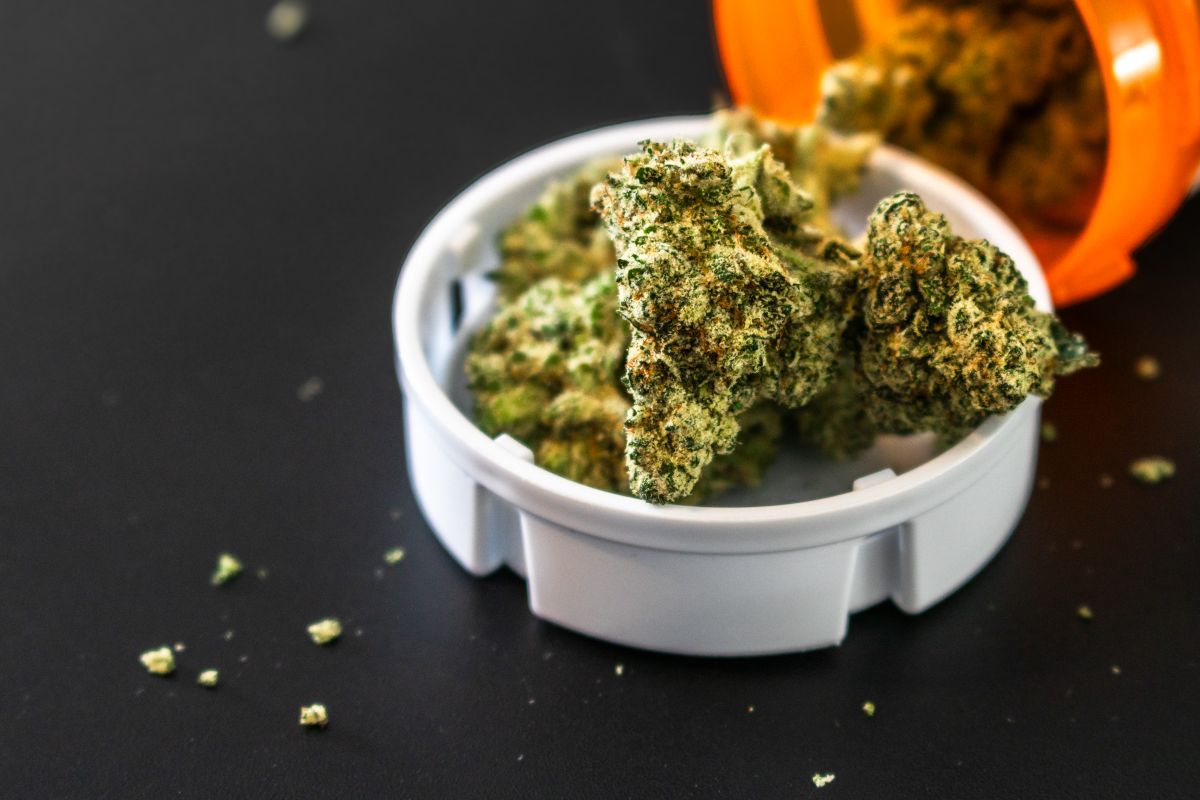
Is weed legal in Australia? The short answer: it depends where you are. Medicinal cannabis is legal across the entire country with a valid prescription. Recreational cannabis is only legal for personal use in the ACT. Every other state and territory treats recreational possession as a criminal or civil offence — though the severity and consequences vary enormously between jurisdictions.
This guide breaks down cannabis laws in Australia for 2026, state by state and territory by territory — covering possession limits, cultivation rules, penalties, decriminalisation schemes, and how to access cannabis legally through medicinal channels.
Disclaimer: This article is for general information only and does not constitute legal advice. Cannabis laws can change — always verify current rules with a legal professional or official government source in your jurisdiction before acting.
Federal cannabis law in Australia — the national baseline
Under Commonwealth law, cannabis is a controlled substance regulated by the Narcotic Drugs Act 1967 and the Criminal Code Act 1995. Supply, trafficking and importation of cannabis are serious federal offences carrying significant prison sentences.
Medicinal cannabis became federally legal in 2016 following amendments to the Narcotic Drugs Act. The Therapeutic Goods Administration (TGA) oversees all approved cannabis products through the Special Access Scheme (SAS) and the Authorised Prescriber pathway. Australian doctors can now prescribe a wide range of TGA-approved cannabis products for pain, anxiety, sleep disorders, epilepsy and many other conditions.
Key federal rules at a glance:
- Schedule 8 cannabis products (most THC-containing products) require a valid prescription
- Schedule 3 low-dose CBD products (≤150mg per pack, ≤1% THC) can be sold by pharmacists without a prescription
- Telehealth prescribing is now widely available — most patients receive approval within 3–7 business days
- There is no federally legal recreational cannabis — that is an ACT-specific carve-out only
Ready to order medicinal cannabis? Browse our full range with same-day delivery across Australia.
Australian Capital Territory (ACT) — Cannabis is legal for personal use
The ACT is the only Australian jurisdiction where recreational cannabis possession and home cultivation are legal for adults. This makes Canberra a unique case in the country.
What changed: The Drugs of Dependence (Personal Cannabis Use) Amendment Act 2019 took effect on 31 January 2020, decriminalising personal possession and cultivation for adults aged 18 and over.
Legal in the ACT:
- Possession of up to 50g of dried cannabis (personal use only)
- Cultivation of up to 2 plants per person (maximum 4 plants per household)
- Private consumption at home
Still illegal in the ACT:
- Sale or supply (including gifting cannabis to others)
- Public consumption
- Cannabis use around children or minors
- Driving under the influence of cannabis
- Possession of more than 50g
The federal conflict: Cannabis is still a controlled substance under Commonwealth law. However, Australian Federal Police (AFP) operating in the ACT have adopted a policy of not enforcing minor personal possession offences within ACT limits, deferring to ACT law. In practice, possession within the ACT limits is very rarely prosecuted federally.
New South Wales (NSW) — Cannabis Cautioning Scheme
NSW does not decriminalise cannabis. Possession is a criminal offence, but police have structured discretion through the Cannabis Cautioning Scheme for minor possession.
Possession: Any amount of cannabis is a criminal offence. For small amounts (generally under 30g), police may issue a formal caution instead of charging the person. This is discretionary — it is not a guaranteed outcome.
Cannabis Cautioning Scheme:
- Adults may receive up to two cautions in a lifetime for minor cannabis possession
- Each caution requires attendance at a drug education program (MERIT or equivalent)
- A third offence results in a criminal charge regardless of quantity
Penalties for possession beyond cautioning: Fines up to $2,200 and up to 2 years imprisonment for possession offences; larger quantities attract far higher penalties.
Cultivation: Growing even a single cannabis plant is a criminal offence in NSW. Penalties escalate significantly based on the number of plants or whether a hydroponic setup is used.
Supply and trafficking: Serious criminal offences under the Drug Misuse and Trafficking Act 1985. Large-scale trafficking carries maximum penalties exceeding 20 years imprisonment.
Drug driving: NSW has zero-tolerance roadside drug testing (RDT) for THC. A positive saliva test can result in an immediate licence suspension, fines and a criminal conviction — even if you are not impaired.
Medicinal cannabis in NSW: Available with a valid TGA prescription. NSW Health participates in the national SAS framework.
Victoria (VIC) — Drug Diversion Program
Victoria does not decriminalise recreational cannabis, but enforces a well-established drug diversion framework that redirects minor offenders away from the courts.
Possession: Cannabis possession is a criminal offence. Victoria Police can issue a drug diversion notice for small personal amounts, requiring the person to attend a drug assessment and education session rather than face charges. This is not decriminalisation — it remains at police discretion.
Drug Diversion Initiative: Victoria’s program has been running since 2000. Eligible individuals are offered one opportunity per 12 months to divert to drug education, assessment or treatment instead of court.
Possession penalty: Up to 1 year imprisonment and/or a fine of up to $4,543 (penalty units adjust annually) for simple possession.
Cultivation: Cultivation of cannabis plants is illegal in Victoria regardless of quantity. Penalties increase significantly with the scale of the operation.
Supply: Serious criminal offences under the Drugs, Poisons and Controlled Substances Act 1981. Supply carries up to 15 years imprisonment; commercial-scale trafficking carries up to 25 years.
Drug driving: Victoria enforces zero-tolerance roadside drug testing (RDT) for THC. Testing positive — even days after use when impairment has passed — can result in licence suspension, fines and a criminal record.
Medicinal cannabis in VIC: Widely available. Victoria has several licensed medicinal cannabis manufacturers and is among the most active states in the industry.
Queensland (QLD) — Strictest mainland state
Queensland has the strictest cannabis enforcement regime among the mainland states, with no cautioning scheme and very limited diversion options.
Possession: Any possession of cannabis is a criminal offence. Queensland has no cautioning scheme equivalent to NSW. Penalties include fines and imprisonment, with the severity depending on quantity and circumstances.
Drug Diversion: Queensland does offer a Drug Diversion initiative for first-time offenders caught with small personal amounts — but it is available entirely at police discretion and is far less formal than the NSW or Victorian systems.
Penalties: For small personal amounts, fines and mandatory drug education are common outcomes for first offences. For commercial amounts, the Drugs Misuse Act 1986 provides for penalties up to life imprisonment for trafficking.
Cultivation: Growing cannabis is a criminal offence in Queensland regardless of scale. Even a single plant can attract criminal charges.
Drug driving: Queensland enforces roadside drug testing (RDT) for THC. A positive test results in a traffic infringement and can lead to licence suspension.
Medicinal cannabis in QLD: Available via TGA pathways. Queensland Health oversees the state’s medicinal cannabis participation.
Western Australia (WA) — Cannabis Intervention Requirement (CIR)
WA operates a partial decriminalisation-style framework through Cannabis Intervention Requirements (CIRs), though cannabis remains a criminal offence.
Cannabis Intervention Requirement (CIR): Adults found in possession of 10g or less of cannabis for a first or second offence may receive a CIR instead of a criminal charge. A CIR is a mandatory drug education session — not a fine or criminal record.
Above the CIR threshold: Possession of more than 10g, a third possession offence, or failure to comply with a CIR leads to criminal charges under the Misuse of Drugs Act 1981.
Penalties: Possession of up to 10g: CIR or fine up to $2,000. Larger amounts: up to $2,000 fine and/or 2 years imprisonment. Cultivating or trafficking cannabis carries significantly heavier penalties.
Cultivation: Cultivation of cannabis plants in WA carries serious penalties regardless of quantity.
Drug driving: Zero-tolerance RDT for THC applies in WA. Positive results can result in licence suspension and fines.
Medicinal cannabis in WA: Available through TGA-approved pathways. WA has been active in building its domestic medicinal cannabis sector.
South Australia (SA) — Expiation (Decriminalised for small amounts)
South Australia was a national pioneer in cannabis decriminalisation, introducing its expiation scheme in 1987 — nearly 40 years ago.
Expiation scheme: Under the Controlled Substances Act 1984, possession of 100g or less of cannabis is subject to an expiation fee (a civil fine of around $150–$300) rather than criminal charges. Paying the fee means no criminal record.
Cultivation: Cultivating up to 1 non-hydroponic plant is also an expiable offence (a fine). More than 1 plant, hydroponic setups, or failure to pay the expiation notice results in criminal charges.
Expiation vs decriminalisation: It’s technically not full decriminalisation — possessing cannabis is still an offence and you must pay the fine. But it is the most lenient non-ACT framework in Australia for personal possession.
Penalty for failing to pay expiation fee: If you don’t pay the expiation notice within the time allowed, the matter escalates to a criminal charge.
Supply: Supply of cannabis in any quantity is a criminal offence in SA.
Drug driving: Zero-tolerance RDT for THC applies in SA.
Medicinal cannabis in SA: Available with a TGA prescription.
Tasmania (TAS) — Strictest possession laws
Tasmania enforces some of the strictest cannabis possession laws in Australia, with no formal decriminalisation or diversion scheme.
Possession: Possession of any amount of cannabis is a criminal offence in Tasmania. There is no cautioning scheme, expiation scheme or formal diversion program.
Police discretion: Tasmanian police may exercise informal discretion on very minor possession, but this is not guaranteed and there is no structured alternative to prosecution.
Penalties: Possession carries fines and potential imprisonment under the Poisons Act 1971. Trafficking and cultivation attract serious penalties.
Cultivation: Growing cannabis is illegal regardless of the number of plants.
Drug driving: Zero-tolerance RDT for THC applies in Tasmania.
Medicinal cannabis in TAS: Available with a valid TGA prescription.
Northern Territory (NT) — Simple Cannabis Offence Notices (SCON)
The Northern Territory introduced Simple Cannabis Offence Notices in 2011, providing a non-criminal pathway for minor possession.
Simple Cannabis Offence Notice (SCON): Police may issue a SCON (a fine, similar to a traffic infringement) for possession of small amounts of cannabis instead of arresting the person.
SCON amounts: SCONs typically apply to quantities under 50g. Larger amounts or repeat offenders face full criminal charges under the Misuse of Drugs Act.
Paying the SCON: Paying the fine results in no criminal record. Failing to pay escalates the matter to a criminal prosecution.
Cultivation and supply: Cultivation and supply of cannabis are criminal offences with serious penalties in the NT.
Drug driving: Zero-tolerance RDT for THC applies across the NT.
Medicinal cannabis in NT: Available with a TGA prescription.
Summary table — cannabis laws by Australian state and territory 2026
| State/Territory | Personal possession | Cultivation | Decriminalised? | Medicinal legal? |
|---|---|---|---|---|
| ACT | Legal up to 50g | Legal (up to 2 plants) | ✅ Yes — legalised | ✅ Yes |
| NSW | Illegal (cautioning scheme up to ~30g) | Illegal | ⚠️ Partial (caution) | ✅ Yes |
| VIC | Illegal (diversion available) | Illegal | ⚠️ Partial (diversion) | ✅ Yes |
| QLD | Illegal | Illegal | ❌ No formal scheme | ✅ Yes |
| WA | Illegal (CIR up to 10g) | Illegal | ⚠️ Partial (CIR) | ✅ Yes |
| SA | Illegal but expiable (up to 100g, ~$150–300 fine) | Illegal (1 plant expiable) | ⚠️ Partial (expiation) | ✅ Yes |
| TAS | Illegal | Illegal | ❌ No formal scheme | ✅ Yes |
| NT | Illegal (SCON up to ~50g) | Illegal | ⚠️ Partial (SCON) | ✅ Yes |
Drug driving laws — a cannabis risk in every state
A critical issue many cannabis users overlook: drug driving is a separate offence in every Australian state and territory, and it does not require impairment to prosecute.
All states and territories use roadside oral fluid (saliva) testing that detects the presence of THC — the active compound in cannabis — not impairment. Because THC can remain detectable in saliva for hours to days after use, you can test positive for a roadside drug test long after the intoxicating effect has passed.
A positive roadside drug test can result in:
- Immediate licence suspension at the roadside
- A fine (typically $1,000–$3,000 depending on the state)
- A criminal conviction
- Demerit points
- Court-imposed disqualification periods
The safest approach: Do not drive if you have used cannabis in the preceding 24–48 hours. Zero-tolerance means any detectable level of THC is an offence — regardless of whether you feel impaired.
Will recreational cannabis be legalised in Australia?
The ACT model has demonstrated that a state or territory can move ahead of federal law on personal possession. As of 2026:
- The ACT remains the only jurisdiction with legalised personal possession
- The Australian Greens and several independent MPs have publicly supported national decriminalisation or a federal legalisation model
- The Albanese government has not committed to recreational cannabis reform
- No other state or territory has announced formal plans to follow the ACT
The federal government has continued to expand support for the medicinal cannabis industry, including easing export restrictions and broadening prescribing pathways. Recreational reform remains politically contested.
How to access medicinal cannabis legally in Australia
If you want to use cannabis legally across Australia — including in the strictest states — the medicinal pathway is available to you:
- Consult a registered Australian doctor in person or via telehealth about your condition and symptoms
- Obtain TGA approval — most prescriptions are issued under the SAS-B pathway, allowing doctors to prescribe without individual TGA approval for each patient
- Fill your prescription at a licensed medicinal cannabis dispensary — browse our full range at The Cannabis Shop
- Receive your delivery with same-day options in Sydney, Melbourne, Brisbane, Perth, Adelaide and Darwin — see delivery details
- Maintain your prescription with periodic reviews (usually every 3–6 months)
Most patients go from initial telehealth consultation to first order within 3–7 business days. You don’t need to live in the ACT to access legal cannabis — medicinal pathways are available Australia-wide.
Want to learn more before you order? Read our complete guide to buying cannabis online in Australia or browse our cannabis guides section for plain-language answers to common questions.
Frequently asked questions — cannabis laws Australia
Is weed legal in Australia? Medicinal cannabis is legal across all of Australia with a valid prescription. Recreational cannabis is only legal for personal possession and home cultivation in the ACT (up to 50g and 2 plants). In every other state and territory, recreational possession is either a criminal offence or subject to a civil fine/caution scheme.
What happens if you get caught with weed in Australia? The outcome depends on which state or territory you’re in. In SA and the ACT it could be a civil fine or nothing (ACT). In NSW, VIC and WA there are formal diversion or cautioning options for first offences. In QLD and TAS, even minor possession is a criminal offence with no guaranteed diversion.
How much weed can you have in Australia without getting charged? In the ACT: up to 50g legally. In SA: up to 100g attracts only a fine. In WA: up to 10g may qualify for a CIR (non-criminal). In NT: small amounts may attract a SCON (fine only). In NSW, VIC, QLD and TAS: any amount is technically a criminal offence, though police discretion and diversion programs exist.
Is it legal to grow cannabis in Australia? Only in the ACT, where adults may grow up to 2 plants per person (maximum 4 per household) for personal use. In every other state and territory, cultivation is a criminal offence, including SA (where 1 non-hydroponic plant is expiable but still illegal).
Can I buy cannabis online legally in Australia? Yes — via the medicinal cannabis pathway with a valid TGA prescription. A telehealth consultation makes this accessible from anywhere in Australia. The Cannabis Shop provides discreet same-day delivery across major Australian cities.
Last updated June 2026. Cannabis laws change — always verify current rules with a qualified legal professional or your state government’s official resources before acting on this information. Photo by Terrance Barksdale via Pexels.