
Getting started
Cannabis for Parkinson's Disease Australia — Evidence, Symptoms and Access Guide (2026)
Medicinal cannabis is being explored as a treatment for Parkinson's disease symptoms including tremor, rigidity, sleep disorders, pain and anxiety. A complete evidence-based guide for Australian Parkinson's patients and carers considering cannabis therapy in 2026.
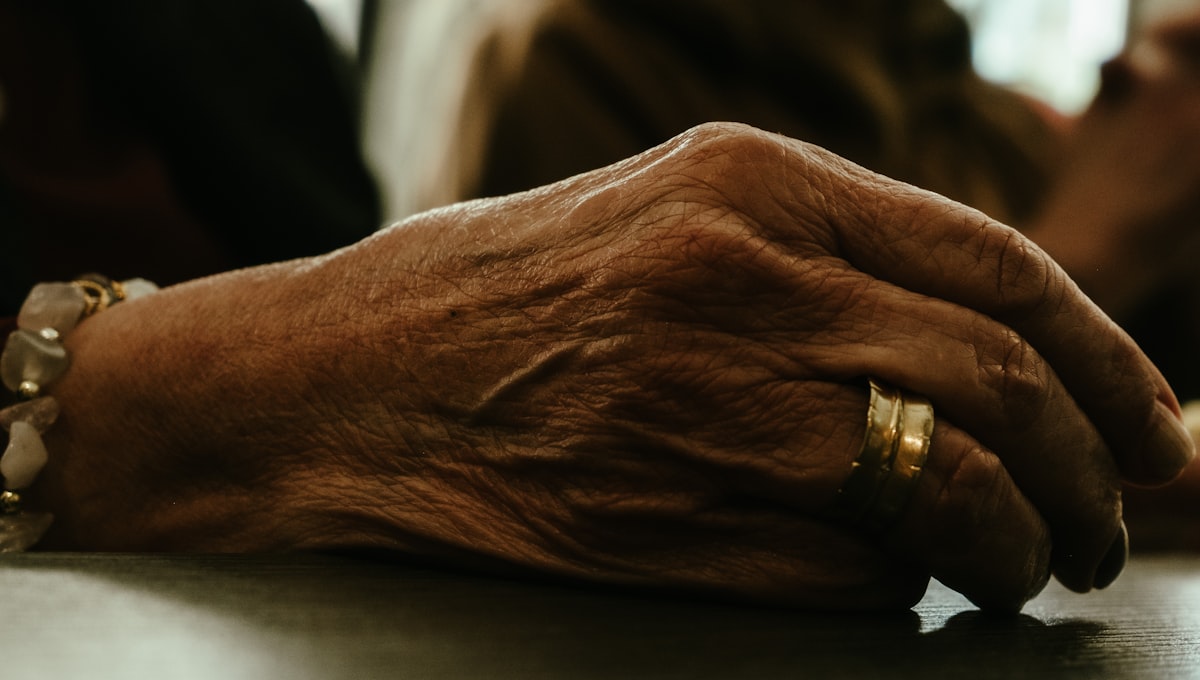
Parkinson’s disease is the second most common neurodegenerative disease in Australia, affecting approximately 100,000 people. Managing Parkinson’s is complex — conventional treatments (levodopa, dopamine agonists) address motor symptoms but many patients experience significant non-motor symptoms and late-stage motor complications that remain undertreated. Medicinal cannabis is increasingly being explored by Parkinson’s patients and their specialists as a complementary therapy.
Parkinson’s disease — what cannabis may help with
Parkinson’s produces both motor and non-motor symptoms. Cannabis has different evidence levels across these:
Motor symptoms
Tremor: Tremor is the most visible Parkinson’s symptom. Preclinical evidence suggests cannabinoids may have antitremor effects through endocannabinoid receptors in the basal ganglia (the brain region most affected by Parkinson’s). Clinical evidence in humans remains limited — small observational studies show variable response. Some patients report subjective tremor reduction; controlled evidence is insufficient to make firm claims.
Rigidity and spasticity: Myrcene and linalool-dominant cannabis preparations are used by some Parkinson’s patients for muscle rigidity, drawing on evidence from MS spasticity treatment. Anecdotal and observational data are positive; controlled trials are limited.
Levodopa-induced dyskinesia: This is one of the more promising areas. Levodopa-induced dyskinesia (LID) — involuntary movements that develop as a complication of long-term levodopa use — involves endocannabinoid system dysregulation. CBD has shown the most promising evidence for LID reduction: a 2009 Zuardi et al. study showed significant LID reduction with CBD doses of 75–300mg daily. Larger trials are ongoing.
Non-motor symptoms (strongest evidence)
Sleep disorders: REM sleep behaviour disorder (RBD) — acting out dreams during sleep — is very common in Parkinson’s and distressing for patients and partners. Cannabis, particularly CBD-dominant and indica-dominant preparations, shows consistent benefit for sleep quality and RBD in observational data.
Pain: Parkinson’s-related pain (central pain, musculoskeletal, dystonic) is undertreated and affects the majority of patients. Cannabis analgesic effects via CB1 and TRPV1 mechanisms are well-evidenced for chronic pain broadly — applicable to Parkinson’s pain where conventional analgesics provide incomplete relief.
Anxiety and depression: Anxiety and depression affect 40–50% of Parkinson’s patients. CBD’s anxiolytic and antidepressant mechanisms are the best-evidenced cannabis pharmacology — relevant and applicable to Parkinson’s patients with these comorbidities.
Nausea: Dopamine agonists (common Parkinson’s medications) frequently cause nausea. Cannabis has well-evidenced anti-nausea effects. THC in particular is effective for medication-induced nausea.
Appetite: Parkinson’s-related weight loss and poor appetite are common, particularly in advanced disease. Cannabis appetite stimulation (high-myrcene THC products) is clinically useful.
Important interactions with Parkinson’s medications
This section is critical. Parkinson’s patients must discuss cannabis with their neurologist before starting, because of significant drug interactions:
Levodopa/carbidopa (Sinemet, Madopar): CBD inhibits CYP2D6 enzymes involved in levodopa metabolism. This can increase levodopa blood levels and potentially intensify both therapeutic effects and dyskinesia. Neurologists may need to adjust levodopa doses when CBD is introduced.
Dopamine agonists (pramipexole, ropinirole, rotigotine): Cannabis can potentiate the sedative and blood pressure-lowering effects of dopamine agonists. Start at very low doses and titrate carefully under neurologist supervision.
MAO-B inhibitors (rasagiline, selegeline): These drugs are used in early Parkinson’s and have potential interactions with cannabis at high doses. Discuss with your prescriber.
Rule: Never start cannabis for Parkinson’s without specific guidance from your neurologist or a prescriber experienced in Parkinson’s pharmacology.
Choosing cannabis products for Parkinson’s
Given the complexity of drug interactions and the specific symptom profile of Parkinson’s, product selection requires careful prescriber guidance. General principles:
For LID and motor symptoms: CBD-dominant products (high CBD:THC ratio) — CBD’s evidence for LID is at moderate-to-high doses (75–300mg/day). CBD oil is the most appropriate format for precise dose titration at these levels.
For sleep and RBD: Indica-dominant THC with low starting dose — high myrcene, linalool terpene profile; evening dosing; start at 1–2mg THC and titrate slowly. THC can cause confusion and falls risk at high doses in older patients.
For pain: Balanced CBD:THC or low-dose THC products — pain relief with minimised psychoactive exposure.
For anxiety and depression (daytime): CBD-dominant products — anxiolytic and antidepressant without cognitive impairment.
Format considerations:
- Sublingual oil is preferred over inhaled flower for Parkinson’s patients — more precise dosing, no respiratory irritation, consistent absorption
- Capsules provide predictable dosing for patients who have difficulty with dropper manipulation
- Inhaled flower is generally not recommended as first-line for older Parkinson’s patients unless the patient has prior cannabis experience
Falls risk — a critical safety consideration
Parkinson’s patients already have elevated falls risk from motor symptoms, orthostatic hypotension, and polypharmacy. Cannabis — particularly THC — adds to this risk through:
- Dizziness and postural hypotension (especially at dose initiation)
- Cognitive effects impairing balance and reaction time
- Sedation in combination with other medications
Mitigation: Always start THC at the lowest possible dose (0.5–1mg). Dose in the evening when falls are less likely. Have carers or family aware of initial dosing periods. Inform your physiotherapist and occupational therapist.
Accessing medicinal cannabis for Parkinson’s in Australia
Any TGA-authorised prescriber can apply for SAS-B approval for a Parkinson’s patient. However, given the complex drug interactions, the preferred pathway is:
- Discuss with your neurologist first — they understand your specific Parkinson’s medication regime and are best placed to identify safe entry points for cannabis
- TGA SAS-B application — your neurologist or a specialist medicinal cannabis prescriber submits the application
- Start low, titrate slow — more important in Parkinson’s than in almost any other cannabis application
Some medicinal cannabis telehealth platforms have prescribers experienced with neurodegenerative conditions. Bring a full medication list and your most recent neurology report to any telehealth consultation.
Frequently asked questions — cannabis for Parkinson’s
Is medicinal cannabis approved for Parkinson’s in Australia? Parkinson’s disease is not on a TGA “approved indications” list — but in Australia, prescribers can apply for SAS-B approval for any condition where they believe cannabis offers therapeutic benefit. Parkinson’s is a commonly approved indication, particularly for non-motor symptoms.
Will cannabis stop my tremor? Current evidence does not support cannabis as a reliable tremor treatment. Some patients report improvement; others see no change or worsening. Tremor is the most researched and most uncertain area of cannabis in Parkinson’s. Manage expectations accordingly.
Can I use cannabis with my levodopa? Only under neurologist supervision. CBD can increase levodopa blood levels, potentially requiring dose adjustment. Do not change any Parkinson’s medications without your neurologist’s guidance.
What does Parkinson’s Australia say about cannabis? Parkinson’s Australia acknowledges that many patients are interested in cannabis and recommends discussion with a neurologist before use. The organisation has developed patient resources to help navigate the evidence and access landscape.
Is there a Parkinson’s-specific medicinal cannabis product? No product is specifically formulated for Parkinson’s — patients use standard TGA-approved cannabis products. CBD oil is the format most commonly used for Parkinson’s given its evidence for LID and safety profile. Your neurologist and prescriber will identify the appropriate product for your specific symptoms.