
Products
Cannabis Topicals in Australia — CBD Creams, Balms & Patches (2026 Guide)
Cannabis topicals are applied to the skin rather than inhaled or ingested. A complete guide to CBD and THC topicals available in Australia — creams, balms, transdermal patches, how they work, what conditions they help with, and whether they get you high.
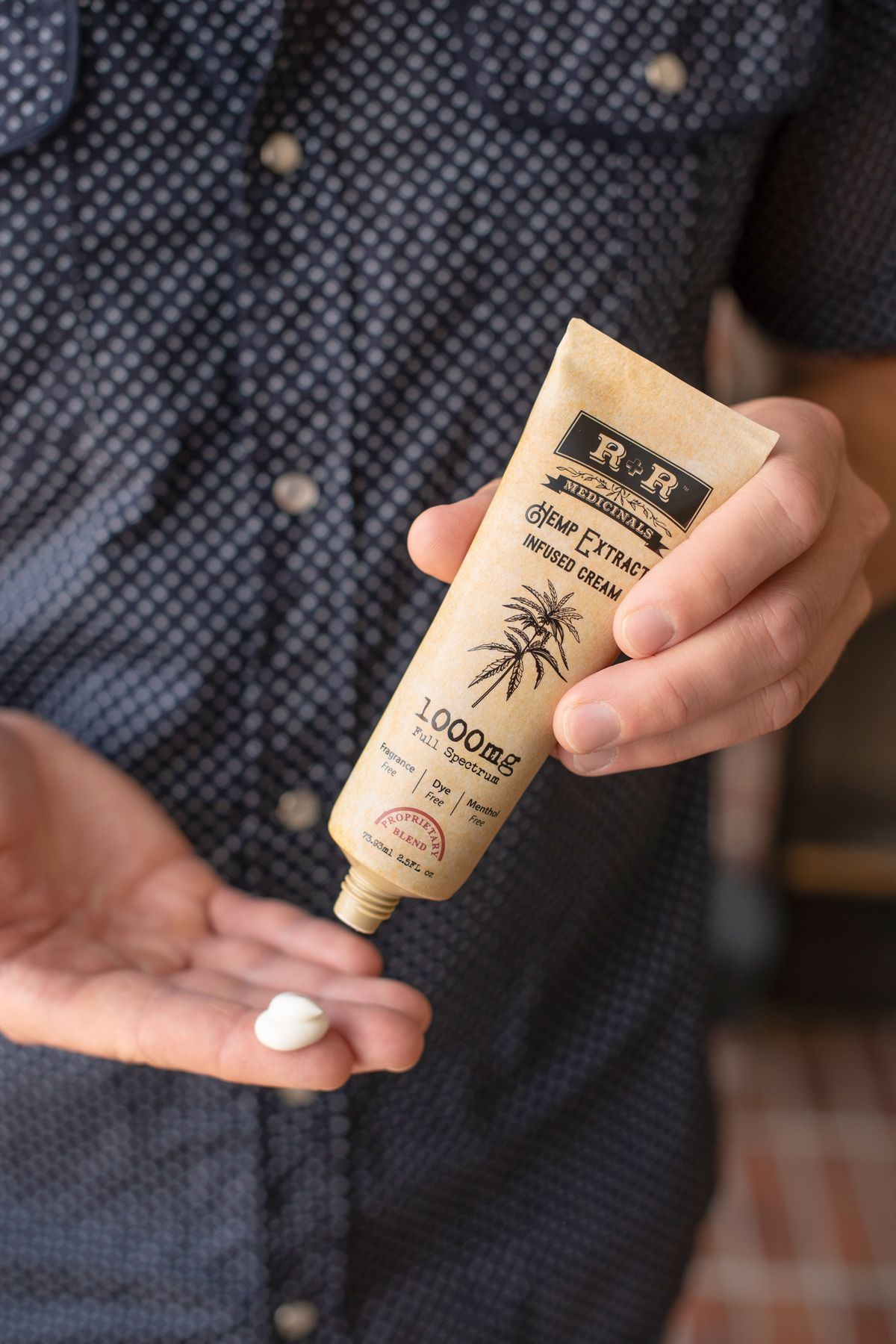
Cannabis topicals are products applied directly to the skin — creams, balms, lotions, salves, sprays and patches — infused with cannabinoids like CBD (cannabidiol) or THC (tetrahydrocannabinol). They represent a fundamentally different route of administration to inhalation or oral consumption, with distinct properties that make them suitable for specific therapeutic applications.
This guide explains how cannabis topicals work, why most topicals don’t produce psychoactive effects, the difference between topical and transdermal products, what conditions they may help with, and what’s available in Australia’s medicinal cannabis market in 2026.
How cannabis topicals work
When you apply a cannabis cream or balm to your skin, the cannabinoids interact with cannabinoid receptors (CB1 and CB2) located in skin tissue, underlying muscle, and peripheral nerve endings. The endocannabinoid system (ECS) is expressed throughout the skin — in keratinocytes, hair follicles, sebaceous glands, and sensory nerve fibres.
This localised interaction produces targeted effects at the application site — primarily anti-inflammatory and analgesic (pain-reducing) properties mediated through CB1 and CB2 receptor activation, as well as through non-receptor pathways involving TRP channels and other targets.
The key distinction: topical vs transdermal
This is the most important concept to understand about cannabis skin products:
Topical products (creams, balms, salves): Cannabis penetrates the upper layers of the skin but does not significantly enter systemic circulation. Effects are localised to the application area. No psychoactive effect — even if the product contains THC.
Transdermal products (patches, gels designed for systemic delivery): Cannabis is formulated specifically to penetrate the skin barrier and enter the bloodstream. These products do produce systemic effects and, if they contain THC, can cause psychoactive effects and will trigger a positive drug test.
Most cannabis topicals available in Australia are topical (not transdermal) — meaning they act locally without entering the bloodstream.
Types of cannabis topicals
CBD creams and lotions
The most widely available cannabis topical in Australia. A moisturising cream base infused with CBD — typically 50mg–500mg CBD per 50ml–100ml container.
Absorption: CBD is lipophilic (fat-soluble) and penetrates skin more readily than water-soluble compounds. Carrier ingredients like fractionated coconut oil, beeswax, and menthol can enhance penetration.
Use cases: Localised joint or muscle pain, skin inflammation, post-workout recovery, arthritic hands or knees.
Application: Apply liberally to affected area, massage in thoroughly. Most products recommend reapplying every 4–6 hours for persistent pain.
Cannabis salves and balms
More concentrated than creams — typically using beeswax, shea butter, or coconut oil as the base rather than a water-based lotion. Salves tend to stay on the skin surface longer, creating a barrier that may improve local absorption duration.
Common in artisanal and premium medicinal cannabis product lines. Often contain additional botanicals — menthol, camphor, arnica — that complement the cannabinoid’s pain-relief properties.
Cannabis sprays
A convenient, pump-spray application format. Typically an alcohol or oil-based carrier with dissolved cannabinoids. Sprays absorb quickly and are useful for hard-to-reach areas or larger body surface areas. Less common in Australia’s medicinal market than creams.
Transdermal patches
Designed to deliver cannabinoids systemically over an extended period — similar to nicotine patches. The patch adheres to the skin (commonly on a thin-skinned area like the inner wrist or behind the knee) and releases a controlled amount of cannabinoid over 8–24 hours.
Transdermal patches are not purely topical — cannabinoids enter the bloodstream. THC-containing transdermal patches will produce psychoactive effects and will result in positive drug tests. CBD transdermal patches produce systemic CBD effects without psychoactivity.
Availability in Australia: Limited but growing. Some TGA-licensed products include transdermal CBD patches.
Cannabis bath products
Bath salts, bath bombs, and bath soaks infused with cannabinoids. These work via full-body skin exposure in warm water. Warm water temporarily improves skin permeability, potentially enhancing local absorption. Very limited medicinal evidence; primarily a wellness category.
Not widely available through Australia’s TGA-licensed medicinal market.
Do cannabis topicals get you high?
Standard topical products: No. Even if a cream or balm contains THC, topical application does not deliver THC into the bloodstream in meaningful quantities. The skin is an effective barrier, and topical products are not formulated to overcome this barrier systemically. You can apply THC-containing topicals without psychoactive effect.
Transdermal products: Potentially yes. If THC-containing transdermal patches or penetrating gels are applied, THC enters systemic circulation and can produce psychoactive effects. Read product labels carefully to distinguish topical from transdermal formulations.
Drug driving implications: Standard topicals do not typically result in positive roadside drug tests (oral fluid tests detect THC in saliva, not skin). Transdermal THC patches or gels could theoretically elevate blood THC levels and may affect drug testing. If you’re using transdermal cannabis products and need to drive, treat the drug driving risk as you would for oral or inhaled THC.
What conditions are cannabis topicals used for?
Localised musculoskeletal pain
The most common use case. Arthritis, tendinopathy, bursitis, post-injury inflammation, and muscle soreness have been identified by Australian medicinal patients as the primary reasons for topical cannabis use. The anti-inflammatory properties of CBD (and to a lesser extent THC in topical form) are the proposed mechanism.
Clinical evidence: Limited but emerging. Small studies and significant patient-reported data support localised pain relief from topical CBD. Larger randomised controlled trials are underway.
Neuropathic pain
Peripheral neuropathy — nerve pain in the hands and feet common in diabetes, chemotherapy, and other conditions — may respond to topical cannabinoids through action on TRPV1 and other peripheral pain receptors. Some Australian medicinal cannabis prescribers use topicals as adjuncts to oral or inhaled cannabis for neuropathic conditions.
Skin conditions
- Eczema and psoriasis: Preliminary research suggests CBD has anti-inflammatory and immunomodulatory effects in skin tissue that may benefit inflammatory skin conditions. Anecdotal patient reports are strong; robust clinical data is limited.
- Acne: CBD’s potential to reduce sebum production and sebocyte proliferation via CB2 and TRPV3 receptors is under investigation.
- Wound healing and scarring: Some preliminary research on CBD’s effects on keratinocyte migration and proliferation in wound healing. Not established as a clinical standard.
Post-exercise recovery
Athletes and active Australians increasingly use CBD topicals for post-workout muscle recovery. The World Anti-Doping Agency (WADA) removed CBD from its prohibited substances list in 2018, making CBD topicals permissible for competitive athletes. THC remains prohibited in competition. ASADA (Australian Sports Anti-Doping Authority) applies WADA rules for Australian athletes.
What to look for in a cannabis topical
CBD/THC concentration: Look for products that specify total cannabinoid content in mg, not just a percentage. A 1% CBD cream sounds potent, but in a 50ml jar that’s only 500mg — while in a 10ml roll-on it’s 100mg. Per-dose mg is the meaningful metric.
Third-party testing: All TGA-licensed medicinal cannabis topicals must meet testing requirements. For any topical, look for a certificate of analysis (COA) from an independent laboratory confirming cannabinoid content and absence of contaminants.
Carrier quality: The base ingredients affect how well cannabinoids penetrate and how the product feels on skin. Good carriers include: MCT (fractionated coconut oil), hemp seed oil, shea butter, arnica, and menthol.
Complementary botanicals: Many premium topicals include additional active botanicals — arnica (anti-inflammatory), menthol (cooling, pain-distracting), eucalyptus, and capsaicin (counter-irritant). These can synergise with cannabis’s effects.
Topicals in Australia’s medicinal market
Cannabis topicals in Australia’s TGA-regulated market include prescription CBD creams, balms, and transdermal patches from licensed producers. These are genuine pharmaceutical-grade products with controlled cannabinoid content.
Additionally, some low-dose CBD products (under TGA’s lower-risk CBD scheduling) may be available over the counter at pharmacies — though availability varies and pharmacist advice should be sought.
Browse cannabis topical products available in Australia or read about getting a medicinal cannabis prescription.
Frequently asked questions — cannabis topicals in Australia
Will a CBD cream show up on a drug test? Standard topical CBD creams applied to skin typically do not produce detectable THC levels in saliva, urine or blood drug tests. Transdermal products (patches, penetrating gels) may elevate blood cannabinoid levels and could affect drug testing. If drug testing is a concern (workplace, sport, legal), use only CBD-only topicals (not THC-containing), and confirm the product is genuinely topical (not transdermal).
How quickly do cannabis topicals work? Most users report feeling localised effects (reduced pain, inflammation) within 15–45 minutes of application. Effects typically last 2–6 hours. Reapplication is usually needed for persistent pain management through the day.
Can I use a cannabis topical with other pain medications? For most topical CBD products, the low systemic absorption makes drug interactions unlikely. However, always inform your GP and pharmacist of any cannabis topicals you use, as individual responses vary and some transdermal products may have systemic absorption.
Are cannabis topicals good for back pain? Cannabis topicals are better suited to localised, superficial pain (joints close to the skin surface, muscles). Deep back pain (spinal, disc-related) may not respond as well to topicals because cannabinoids need to penetrate significant tissue depth. For deep back pain, oral or inhaled cannabis with systemic distribution is generally more effective.
How much CBD does a topical need to actually work? Research suggests that lower-concentration products (1–5mg CBD per application) may have limited effect. Products delivering 20–50mg+ CBD per application in a concentrated application area have more supporting data. Targeted, concentrated application to a small area is more effective than spreading a low-dose product over a large area.