
Getting started
CBD vs THC — Which Is Right for You? Australia Patient Guide (2026)
A complete comparison of CBD and THC for Australian medicinal cannabis patients — how they differ pharmacologically, what conditions each treats best, psychoactive effects, drug testing implications, and how to choose in 2026.
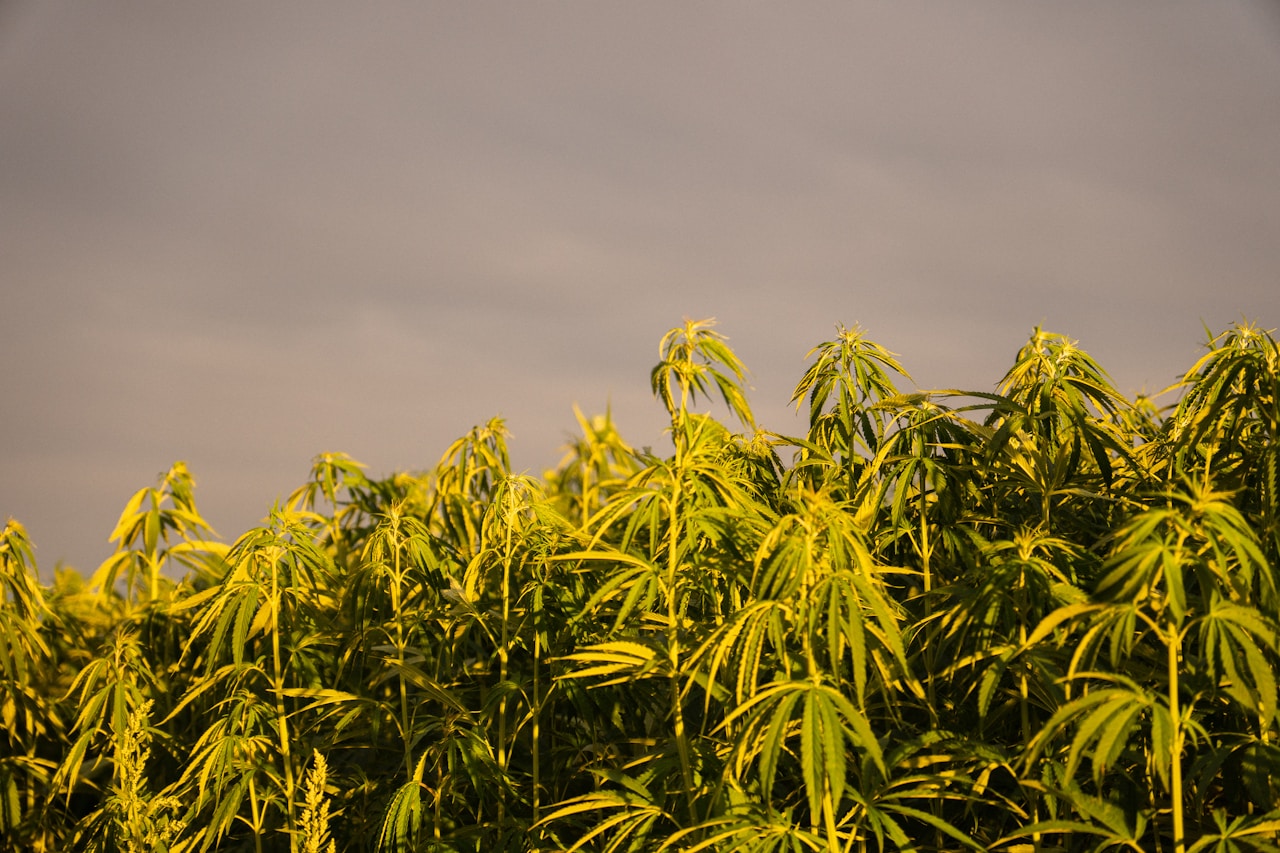
CBD (cannabidiol) and THC (tetrahydrocannabinol) are the two most clinically significant cannabinoids in medicinal cannabis — but they are pharmacologically distinct molecules with different effects, different safety profiles, and different legal statuses in Australia. Choosing between CBD, THC, or a combination is one of the most important decisions in your medicinal cannabis treatment plan.
What are CBD and THC?
Both CBD and THC are phytocannabinoids — natural compounds produced by the cannabis plant. Both interact with the endocannabinoid system (ECS), a signalling network present throughout the brain, body and immune system that regulates pain, mood, sleep, inflammation, appetite and other functions.
Despite sharing a cannabis origin, CBD and THC have dramatically different pharmacological profiles.
THC — tetrahydrocannabinol
Primary mechanism: THC is a direct agonist at CB1 receptors — it binds to and activates CB1 receptors in the brain, producing its characteristic psychoactive effects.
Effects:
- Euphoria, altered perception, relaxation
- Pain relief (analgesic)
- Appetite stimulation (the “munchies”)
- Short-term memory impairment at high doses
- Sedation (particularly at higher doses or with indica genetics)
- Anti-nausea
Best for:
- Severe chronic pain
- Insomnia and sleep disorders
- PTSD nightmares
- Chemotherapy-induced nausea
- Muscle spasms (MS)
- Appetite stimulation in cancer or wasting conditions
Important limitations:
- Psychoactive — alters cognition; cannot drive after use
- Can increase anxiety at high doses in anxiety-prone patients
- Not suitable for most daytime use in many occupations
- Zero-tolerance roadside drug test positive
Legal status in Australia: Schedule 8 controlled drug (most THC products); requires TGA SAS-B prescription.
CBD — cannabidiol
Primary mechanism: CBD does NOT directly activate CB1 or CB2 receptors in the same way THC does. Instead it works through multiple mechanisms including: 5-HT1A receptor modulation (serotonin pathway — anxiolytic), TRPV1 channel activation (pain and inflammation), CB2 receptor indirect modulation (anti-inflammatory), and others.
Effects:
- No psychoactive “high”
- Anxiolytic (reduces anxiety)
- Anti-inflammatory
- Analgesic (different mechanism from THC)
- Anticonvulsant (strongest clinical evidence base — Epidyolex for epilepsy)
- Neuroprotective (preclinical evidence)
- Anti-nausea (mild)
Best for:
- Anxiety disorders (GAD, social anxiety, PTSD daytime)
- Daytime pain and inflammation with preserved function
- Epilepsy (as adjunct or via Epidyolex)
- Autoimmune and inflammatory conditions
- Parkinson’s disease (emerging evidence)
- Patients who cannot tolerate THC
Important limitations:
- Less potent for severe pain than THC
- Not sedating — not useful for primary insomnia
- May still contain trace THC — can produce positive drug test
Legal status in Australia: Schedule 4 (prescription medicine, lower control level than THC). Some lower-dose CBD available as Schedule 3 (pharmacist-only). Epidyolex is PBS-listed for Dravet syndrome and LGS.
Side-by-side comparison
| Property | THC | CBD |
|---|---|---|
| Psychoactive | Yes — significant | No — non-intoxicating |
| Primary receptor | CB1 agonist | Multiple (not direct CB1) |
| Pain relief | High potency (CB1-mediated) | Moderate (TRPV1, anti-inflammatory) |
| Anxiety | Reduces at low dose; increases at high | Reduces across dose range |
| Sleep | Strong sedating effect | Minimal sedation |
| Nausea | Strong anti-nausea | Mild anti-nausea |
| Anticonvulsant | Limited evidence | Strong evidence (Epidyolex PBS-listed) |
| Drug test | Positive (roadside + workplace) | Often positive (trace THC in products) |
| Australian scheduling | Schedule 8 | Schedule 4 (or S3 at low dose) |
| Daytime use suitability | Limited (impairment) | Excellent (most patients) |
The entourage effect — why whole-plant beats isolate
While CBD and THC are discussed separately, they often work better together than alone. The “entourage effect” is the term for the synergistic interaction between cannabinoids, terpenes and minor plant compounds in whole-plant cannabis preparations.
Key synergies:
- CBD moderates THC’s psychoactive effects — high-CBD products produce less anxiety and less impairment than equivalent THC-only products
- Terpenes add their own pharmacological activities (myrcene for sedation, limonene for mood, pinene for clarity)
- Minor cannabinoids (CBG, CBN, CBC) contribute to the overall therapeutic profile
This is why many prescribers prefer whole-plant products (flower, full-spectrum oils) over isolated CBD or THC, particularly for complex chronic conditions.
How to choose: questions to ask yourself
Do I need to function cognitively during the day?
→ CBD-dominant product recommended. THC impairs cognition.
Is sleep my primary concern?
→ THC-dominant product (with indica terpene profile) recommended. CBD is not a strong sleep aid.
Am I prone to anxiety?
→ Start with CBD-dominant. If THC is needed, begin at very low doses. High-CBD:THC ratios reduce anxiety risk.
Is my pain severe and treatment-resistant?
→ THC-dominant or balanced products typically provide better analgesia for severe pain.
Do I face drug testing (roadside, workplace)?
→ CBD-dominant products carry less risk, but trace THC may still test positive. Discuss with your prescriber.
Am I a first-time cannabis patient?
→ CBD-dominant products are the safest starting point. Introduce THC cautiously once familiar with cannabis medicine.
Getting the right product
Your TGA-authorised prescriber will assess your condition, your tolerance history, your lifestyle (driving, occupation, daily demands) and recommend appropriate products. Most patients require prescriber guidance to navigate the CBD/THC spectrum effectively — don’t self-prescribe based on online research alone.
Frequently asked questions — CBD vs THC
Is CBD legal without a prescription in Australia?
Some lower-dose CBD products are Schedule 3 (available from a pharmacist without prescription). Higher therapeutic doses require a TGA prescription. Hemp-derived CBD in food/cosmetics is subject to separate food/cosmetic regulations.
Does CBD get you high?
No. CBD is non-psychoactive — it does not produce the euphoria, altered perception or cognitive impairment associated with THC.
Is CBD as effective as THC for pain?
For mild-to-moderate pain and inflammation, CBD can be effective. For severe chronic pain — particularly neuropathic pain, cancer pain, MS pain — THC’s direct CB1 analgesia typically provides superior relief. Many patients use both together (balanced products) for optimal outcomes.
Can I take CBD and THC together?
Yes — combined CBD:THC products (balanced oils, balanced hybrid flower) take advantage of both cannabinoids and the entourage effect. Combined products are often preferred over either cannabinoid alone.
Shop by cannabinoid ratio
Browse products by CBD:THC profile to find the right fit for your needs:
- Cannabis Concentrates & CBD Oils — Full-spectrum oils ranging from CBD-only to balanced 1:1 and THC-dominant ratios. The most prescribed format for both CBD-dominant and balanced therapeutic use.
- Cannabis Flower — All Strains — Dried flower with a wide spectrum from high-CBD cultivars through to high-THC indica and sativa. THC and CBD percentages listed on every product.
- Cannabis Vaporizers — 510-thread cartridges and disposable pens available in CBD-dominant and balanced THC:CBD ratios. Fast onset, precise dosing, discreet use.
- Cannabis Edibles Australia — CBD gummies, capsules and balanced THC:CBD edibles for longer-lasting effects. Useful when daytime CBD coverage without impairment is the goal.
- CBD Topicals Australia — CBD-only topical balms and roll-ons. No THC, no impairment, no prescription required for Schedule 3 products.
Related guides
- Cannabis for anxiety Australia — When to choose CBD-dominant vs balanced products for anxiety
- Cannabis for chronic pain Australia — When THC is needed alongside CBD for severe pain
- Cannabis for sleep Australia — Why indica-dominant THC products outperform CBD for sleep onset
- Terpenes cannabis guide Australia — How terpenes modify the THC and CBD experience
- Cannabis strains Australia — Matching strain type to cannabinoid goals
- How to buy cannabis online Australia — From prescription to door
The bottom line
CBD and THC work better together than apart. Most patients achieve the best outcomes with full-spectrum or broad-spectrum products that include both cannabinoids at a ratio matched to their condition, lifestyle and THC tolerance. Start CBD-dominant, introduce THC cautiously, and let your prescriber guide ratio adjustments over time.
Browse cannabis oils and concentrates or explore 800+ products with same-day delivery across Australia.