
Products
Dry Herb Vaporizers in Australia — The Complete 2026 Guide for Medicinal Cannabis Patients
Dry herb vaporizers are the preferred consumption method for most Australian medicinal cannabis patients. Learn how they work, why they're better than smoking, which temperature settings to use, and the best devices available in Australia in 2026.
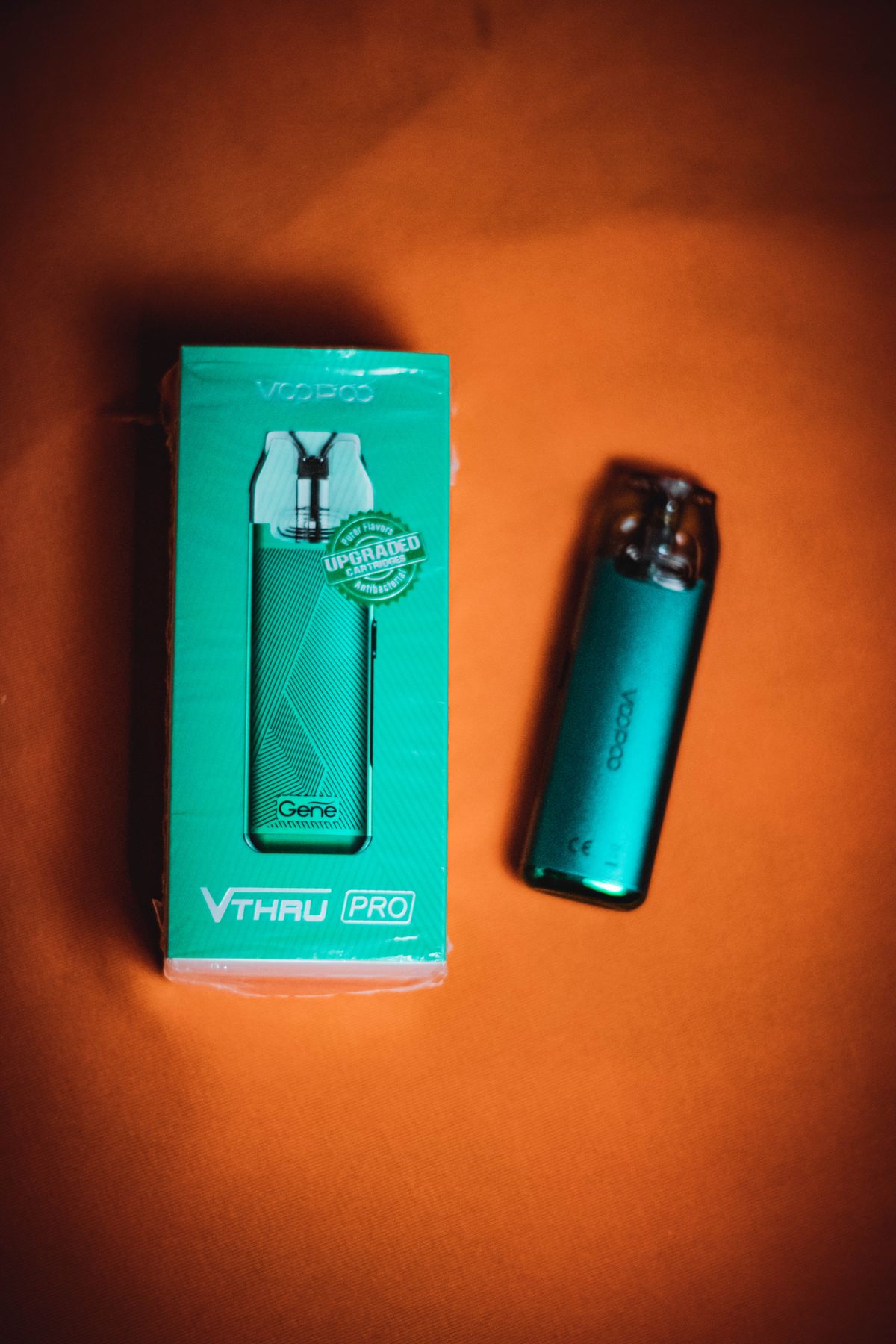
Dry herb vaporizers are the single most important piece of equipment for Australian medicinal cannabis patients who use flower. They’ve transformed how cannabis is consumed medically — replacing combustion with controlled heating that produces vapour rather than smoke, dramatically reducing the harmful byproducts of inhalation while delivering cannabinoids and terpenes more efficiently.
This guide covers how dry herb vaporizers work, why they outperform smoking for medicinal use, what temperatures to set for different outcomes, the main types of devices available in Australia, and practical advice for getting the most out of your device.
What is a dry herb vaporizer?
A dry herb vaporizer is an electronic device that heats ground cannabis flower to a specific temperature — typically between 160°C and 220°C — without burning it. This temperature range vaporises the cannabinoids (THC, CBD, CBN and others) and terpenes in the flower into an inhalable vapour, while staying below the combustion point (~230°C) at which plant material burns and produces smoke.
The result: you inhale the active compounds you want, without the carbon monoxide, tar, benzene, and other carcinogens produced by burning plant material.
Why vaporizing is better than smoking for medicinal use
This comparison matters particularly for Australian medicinal cannabis patients, many of whom are managing chronic health conditions where respiratory health is already a concern.
Reduced harmful byproducts: Combustion (burning) produces over 100 identified toxicants including polycyclic aromatic hydrocarbons (PAHs), carbon monoxide and tar. Studies comparing vaporised and smoked cannabis consistently find that vaporisation significantly reduces exposure to these compounds, while delivering comparable or greater cannabinoid content.
Greater efficiency: Vaporizers extract cannabinoids at a controlled temperature, meaning less is lost to side-stream smoke or excess combustion. Most patients find they use 20–40% less flower to achieve the same effect with a vaporizer compared to smoking.
Onset speed: Both vaporising and smoking deliver inhaled cannabinoids to the bloodstream rapidly — effects begin within minutes. This makes inhalation methods (including vaporising) the preferred route for breakthrough pain, acute anxiety, and nausea, where rapid onset is clinically important.
More precise temperature control: Different cannabinoids and terpenes have different vaporisation points. A vaporizer lets you dial in specific temperatures to target the compounds most relevant to your condition — something impossible with a joint or pipe.
Discretion: Vapour produced by a dry herb vaporizer dissipates much faster than smoke and has a significantly reduced odour footprint. This matters for patients who need to use their medication at work, in shared living situations, or in public spaces.
No combustion residue: After a vaporizer session, you’re left with ABV (Already Been Vaped) cannabis — dry, brown plant material that retains some residual cannabinoids. This can be used in edibles or simply discarded. No ash, no tar residue, no burnt smell.
Temperature guide — what to vaporize at and why
Temperature is the most important variable in vaporising cannabis. Different compounds vaporise at different temperatures, producing distinctly different effects.
| Temperature range | Effect profile | Best for |
|---|---|---|
| 160–170°C | Light, clear-headed, energising | Daytime use, focus, managing fatigue |
| 175–185°C | Balanced: cerebral + mild body relaxation | General therapeutic use, pain with alertness |
| 185–200°C | Stronger body effect, some sedation | Pain, muscle tension, anxiety |
| 200–210°C | Heavy relaxation, sleepy, couch-lock risk | Insomnia, severe pain, evening use |
| 210°C+ | Maximum extraction but more combustion byproducts | Usually unnecessary; approaching combustion range |
Key terpene and cannabinoid vaporisation points:
- CBD: ~160–180°C
- THC: ~157–200°C (complex — multiple forms)
- Myrcene (earthy, relaxing): ~168°C
- Limonene (citrus, uplifting): ~176°C
- Linalool (floral, calming): ~198°C
- Caryophyllene (peppery, anti-inflammatory): ~160°C
- CBN (sedating): ~185°C
Practical starting point: 185°C is a widely recommended starting temperature for most medicinal users — it delivers a balanced profile across cannabinoids and most major terpenes without tipping into the heavy sedation zone.
Types of dry herb vaporizers
Portable vaporizers
Battery-powered, compact devices designed for mobile use. The dominant category for most Australian medicinal patients.
Convection heating: Hot air passes through the herb, heating it evenly without direct contact. Generally produces better flavour and more even extraction. Examples: Storz & Bickel Mighty+, Arizer Solo.
Conduction heating: The herb is in direct contact with a heated surface. Faster heat-up times, simpler design, often less expensive. Can cause uneven heating and some hot spots if you don’t stir the bowl mid-session. Examples: PAX 3, DynaVap (uses torch lighter, technically hybrid).
Hybrid heating: Combines conduction and convection for fast heat-up with even extraction. Examples: Storz & Bickel Crafty+, some premium portables.
Desktop vaporizers
Plugged-in, larger devices designed for home use. Generally superior vapour quality and more precise temperature control than portables. The gold standard for medicinal use at home.
Balloon-fill: Vapour fills a detachable balloon bag for slow, easy inhalation. The Storz & Bickel Volcano is the most studied device in clinical cannabis research — its balloon delivery is particularly useful for patients with respiratory issues or limited hand function.
Whip: Vapour is drawn through a tube. More direct, slightly hotter vapour than balloon delivery.
Popular models available in Australia
- Storz & Bickel Mighty+ — widely considered the best portable; German-engineered, medical-grade, convection/conduction hybrid; ~$550–$650 AUD
- Storz & Bickel Volcano Classic/Hybrid — desktop balloon vaporizer; the most clinically validated device; ~$700–$900 AUD
- Arizer Solo 2/Air 2 — Canadian-made, all-glass vapour path, convection; excellent flavour; ~$200–$350 AUD
- PAX 3 — American-made, conduction, ultra-compact, good for social use; ~$300–$400 AUD
- DynaVap M — manual convection device using a torch lighter rather than battery; low cost, high efficiency; ~$80–$150 AUD
How to use a dry herb vaporizer — step by step
-
Grind your flower: Use a good quality 2-piece or 4-piece grinder for a medium-fine consistency. Not too fine (dust blocks airflow) and not too coarse (reduces surface area and efficiency).
-
Load the oven: Fill the heating chamber with ground herb — most ovens hold 0.1–0.4g. Don’t pack too tight (restricts airflow) or too loose (reduces contact). Most manufacturers recommend a medium pack, slightly compacted with a finger or loading tool.
-
Set temperature: Start at 180–185°C for your first session. Adjust up or down in subsequent sessions based on your response.
-
Heat up: Most portables reach temperature in 30–90 seconds. Let the device fully stabilise at temp before drawing.
-
Draw slowly: Take slow, gentle, sustained draws of 5–10 seconds. Rapid inhaling causes cold air to cool the oven and reduces vapour quality. Treat vaporiser inhalation differently to smoking — slower is better.
-
Wait 10–15 minutes: Especially important for first-time or low-tolerance users. Assess effects before deciding whether to continue.
-
Stir mid-session: With conduction devices particularly, stirring the herb halfway through exposes unheated surface area and improves extraction.
-
Clean regularly: A clean device performs better and produces better-tasting vapour. Brush out the oven after each session while still warm.
Maintenance and care
- Brush the oven after every session using the included brush (most devices include one)
- Soak glass components (mouthpieces, cooling units) in isopropyl alcohol (IPA) weekly if used daily
- Replace screens when they become darkened and blocked — most devices have replaceable screens
- Charge properly — most lithium batteries perform best charged to 80–90% rather than always fully charged
- Store cool — heat degrades battery performance over time
Vaporizers and Australian law
Dry herb vaporizers are legal to purchase and own in all Australian states and territories. They are consumer electronic devices and not controlled items.
Using a vaporizer to consume medicinal cannabis with a valid TGA prescription is legal. As with all medicinal cannabis consumption, drug driving laws apply regardless of consumption method — if you vaporise cannabis containing THC and then drive, zero-tolerance roadside drug testing applies.
Browse dry herb vaporizers available in Australia or read about how to get a medicinal cannabis prescription.
Frequently asked questions — dry herb vaporizers in Australia
Does vaporising cannabis smell? Less than smoking, but not odourless. Vapour from a dry herb vaporizer has a subtle, characteristic aroma that dissipates quickly. It does not produce the persistent, penetrating smell of cannabis smoke. Most people nearby will not notice unless they are very close.
Can I use a vaporizer with CBD flower? Yes. CBD-dominant cannabis flower (legal through TGA prescription) is used in dry herb vaporizers in the same way as balanced or THC-dominant flower. Temperature settings are similar. CBD flower has a different aromatic profile but the same usage approach.
What is AVB (Already Been Vaped) cannabis? The brown, dry material left in the oven after a vaporiser session. It retains some residual cannabinoids — particularly CBD and CBN — that weren’t fully extracted at the vaporisation temperature used. AVB can be used in edibles (it’s already decarboxylated and doesn’t need further heating to activate).
Are cheap vaporizers safe? Avoid no-brand vaporizers from general marketplaces — some use low-grade heating elements that can introduce metal contaminants into vapour. Stick to established brands with published safety testing. Budget-conscious? The DynaVap M is an affordable, reputable option that uses a torch rather than electronics.
Can I travel with my vaporizer in Australia? On domestic flights, vaporizers (battery-powered) must be in carry-on luggage (not checked) per aviation lithium battery rules. Carrying medicinal cannabis in your checked or carry-on luggage within Australia requires your TGA prescription documentation. Be aware that laws at your destination apply — interstate travel is generally fine with a valid prescription.