
Products
OG Kush Strain — Effects, Terpenes & Medicinal Uses in Australia (2026)
OG Kush is one of the most iconic cannabis strains in the world and a cornerstone of Australia's medicinal cannabis market. Learn its effects, terpene profile, genetics, THC content, and which Australian patients it suits best.
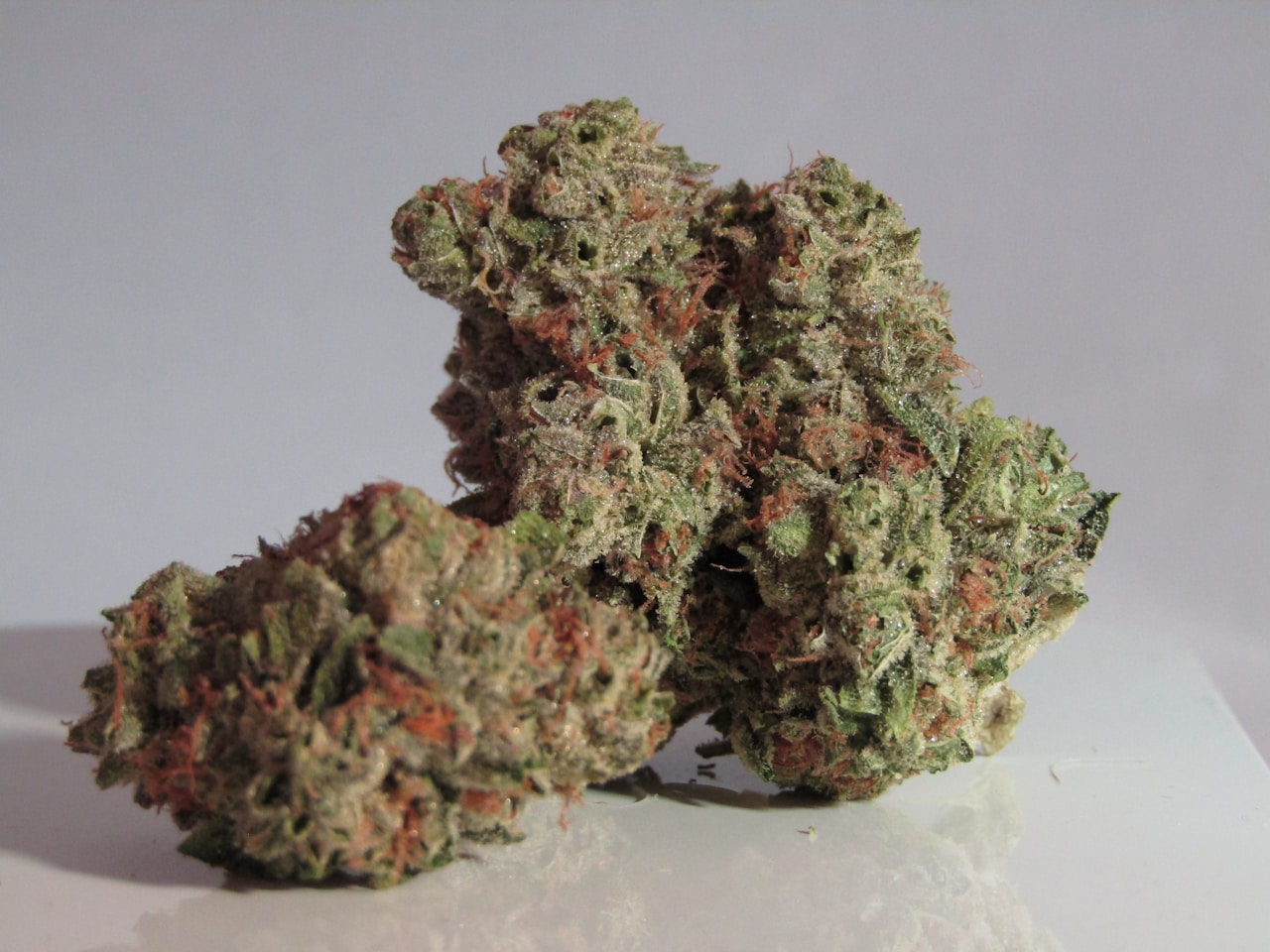
OG Kush is arguably the most influential cannabis strain ever cultivated. Born in California in the early 1990s, it has shaped more genetic lineages — Wedding Cake, Gelato, GSC, Headband, Tahoe OG — than virtually any other variety. In Australia’s medicinal cannabis market, OG Kush and its descendants appear throughout flower, oil and vaporiser product lines for their potent, well-rounded therapeutic profile.
Genetics and origins
OG Kush’s exact lineage remains debated, but the most widely accepted account traces it to a cross between Hindu Kush (a pure indica landrace from the Hindu Kush mountain range spanning Afghanistan and Pakistan) and an unknown hybrid — possibly a Northern California strain crossed with a Chemdawg cut. The “OG” is variously said to stand for “Ocean Grown” (referencing its California coastal origins), “Original Gangster,” or “Original.”
The strain reached widespread distribution through the Los Angeles cannabis scene in the mid-1990s, where it quickly developed a devoted following for its distinctive fuel-and-citrus aroma and powerful, long-lasting effects.
Classification: Indica-dominant hybrid (typically 55–65% indica)
Cannabinoid profile
| Cannabinoid | Typical content |
|---|---|
| THC | 19–26% |
| CBD | <1% |
| CBG | Trace amounts |
OG Kush is a high-THC, low-CBD strain. Its potency makes it appropriate for patients with established THC tolerance and not recommended as a first cannabis experience for naive users.
Terpene profile
OG Kush’s distinctive fuel, citrus and pine aroma comes from a recognisable terpene fingerprint:
- Myrcene (dominant) — earthy, musky, herbal; associated with relaxing, sedating effects; enhances THC permeation across the blood-brain barrier
- Limonene — citrus (lemon, orange); contributes the bright, acidic top note; associated with mood elevation and stress relief
- Caryophyllene — spicy, peppery; the only terpene that binds directly to cannabinoid receptors (CB2); associated with anti-inflammatory effects
- Linalool — floral, lavender; supporting calming properties
- Pinene — pine; may counteract some THC-related short-term memory effects
The combination of myrcene’s sedation with limonene’s uplift gives OG Kush its characteristically “cerebral but grounded” effect profile — a euphoric mental lift paired with deep physical relaxation.
Effects and experience
OG Kush produces a two-phase experience that patients and recreational users consistently describe:
Phase 1 — Onset (0–20 min): Rapid cerebral onset. Mental uplift, euphoria, and a sharpening of sensory perception. Conversations feel more engaging; music sounds better. Stress and anxious thought patterns quiet down.
Phase 2 — Body (20–60 min+): The body effect builds progressively — a deep, warm heaviness in the limbs, muscle relaxation, and a gradual slide toward sedation. Higher doses produce a couch-lock effect. Sleep often follows.
Duration: 2–3 hours for inhaled consumption; 4–6+ hours for oral.
At high doses: Anxiety, paranoia and excessive sedation are possible — particularly in new or low-tolerance users. OG Kush’s potency (up to 26% THC) demands a measured “start low, go slow” approach.
Medicinal applications
OG Kush’s profile suits a range of therapeutic applications in Australia’s medicinal context:
Chronic pain: The combination of THC analgesia and myrcene’s muscle-relaxing properties makes OG Kush effective for nociceptive pain (joint pain, muscle pain, back pain). Many patients use it in the evening when sedation is acceptable.
Insomnia: The progressive body sedation and sleep-induction at higher doses makes it a commonly prescribed strain for sleep disorders, particularly when pain or anxiety are driving the insomnia.
Stress and anxiety: At low-to-moderate doses, the mood-lifting limonene and anxiolytic myrcene profile provides meaningful relief. Note: at high doses, the high THC content can worsen anxiety in sensitive patients.
PTSD: The sedating, euphoric profile of OG Kush suits many PTSD patients — particularly the nighttime use case for nightmare suppression and sleep consolidation.
Appetite stimulation: OG Kush’s strong munchies effect (via THC-mediated CB1 receptor activation in hunger-regulating brain regions) benefits patients with appetite loss from cancer treatment, eating disorders or wasting syndromes.
What OG Kush looks, smells and tastes like
Appearance: Dense, compact buds with a classic indica structure — chunky and tight. Deep forest green with orange pistil hairs (the hairs the photo above shows so clearly) and a heavy coating of milky white trichomes giving buds a slightly frosted appearance.
Aroma: Instantly recognisable — fuel/petroleum top note with bright citrus (lemon/lime) and an earthy pine undertone. Some describe it as “diesel lemon cleaner” — sharp, pungent, complex.
Flavour when vaporised: The fuel and citrus notes carry through, mellowing at lower temperatures (160–175°C) into a smoother pine-lemon profile. At higher temperatures, the earthier, spicier notes emerge.
Who OG Kush suits
Best for:
- Experienced cannabis patients comfortable with high-THC products
- Evening and nighttime use
- Pain, insomnia and PTSD management
- Patients who enjoy a balanced cerebral+body effect
Not ideal for:
- Cannabis-naive patients
- Daytime use or situations requiring alertness
- Patients with anxiety who are sensitive to THC (consider CBD-dominant or balanced strains instead)
OG Kush in Australia’s medicinal market
OG Kush flower, oil and vaporiser products are available through the TGA’s SAS-B prescription framework from multiple Australian licensed producers. As one of the world’s most cultivated and studied strains, it has robust availability in the Australian market.
Browse OG Kush and kush-family products or read how to get a medicinal cannabis prescription.
Frequently asked questions — OG Kush
Is OG Kush indica or sativa? OG Kush is indica-dominant (approximately 55–65% indica), producing the combination of cerebral euphoria and physical sedation typical of indica-dominant hybrids. It sits toward the hybrid end of the spectrum rather than being a pure indica.
How strong is OG Kush? OG Kush typically tests at 19–26% THC — high-to-very-high potency. It is not appropriate for first-time patients. Start with a single small dose and wait 15+ minutes before assessing effect.
What does OG stand for in OG Kush? Disputed — most commonly believed to stand for “Ocean Grown” (referencing its Southern California origins) or “Original.” The “Gangster” interpretation is popular in hip-hop culture but is likely backronym.
Can I get OG Kush as a CBD product? OG Kush is naturally a low-CBD, high-THC strain. Some producers offer OG Kush-derived extracts in balanced THC:CBD or CBD-dominant formulations by blending with CBD-rich varieties. Ask your dispensary about available ratios.