
Legal
Cannabis Laws in NSW 2026 — Possession, Penalties & the Cautioning Scheme Explained
What are the cannabis laws in New South Wales? A complete 2026 guide to NSW possession limits, the Cannabis Cautioning Scheme, cultivation penalties, drug driving rules and how to access medicinal cannabis legally.
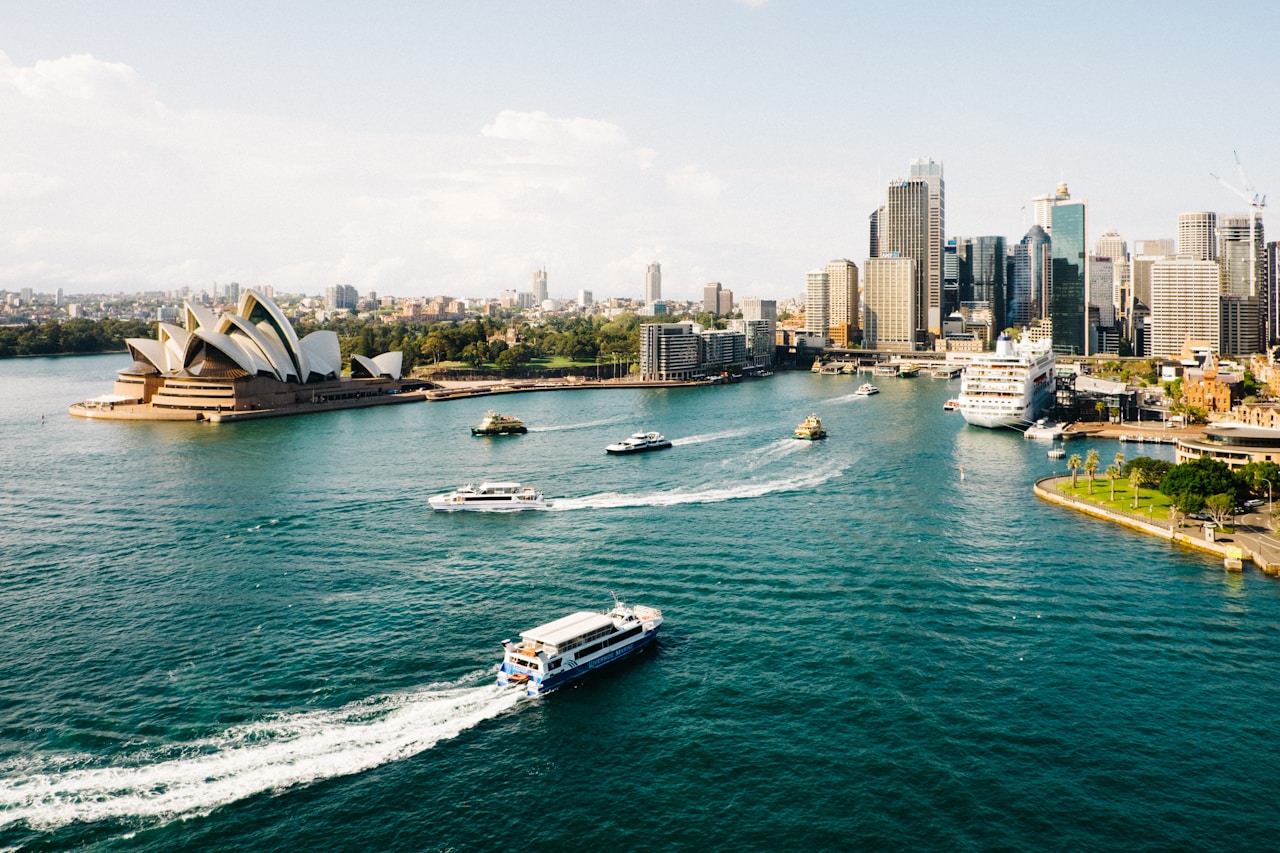
New South Wales is Australia’s most populous state — and one where cannabis law sits in a complicated middle ground. Recreational cannabis remains a criminal offence, but NSW operates a structured diversion pathway for minor personal possession through the Cannabis Cautioning Scheme, which allows police to issue a formal caution instead of criminal charges in qualifying circumstances.
Understanding exactly how this scheme works, what happens beyond its limits, and how medicinal cannabis fits in is essential for anyone in NSW who uses or is considering cannabis. This guide covers the current NSW framework in full detail.
Legal disclaimer: This article is for general information only and does not constitute legal advice. Cannabis laws can change — verify current rules with Legal Aid NSW or a criminal lawyer before acting on this information.
NSW cannabis laws at a glance
| NSW rule (2026) | |
|---|---|
| Personal possession (small amounts) | Criminal offence — Cautioning Scheme may apply |
| Cannabis Cautioning Scheme limit | Generally under 30g; at police discretion |
| Maximum cautions in a lifetime | 2 |
| Possession penalty (without caution) | Fine up to $2,200 and/or up to 2 years imprisonment |
| Cultivation (any amount) | Criminal offence |
| Supply | Criminal offence — up to life imprisonment for commercial quantities |
| Drug driving | Zero-tolerance — any detectable THC is an offence |
| Medicinal cannabis | Legal with valid TGA prescription |
The Cannabis Cautioning Scheme
The Cannabis Cautioning Scheme is the most significant feature distinguishing NSW’s approach from more punitive states like Queensland and Tasmania. Under the scheme, police may issue a formal caution — rather than a criminal charge — to adults found in possession of a small amount of cannabis for personal use.
Key conditions for a caution to be issued:
- The person must be an adult (18 or over)
- The quantity must be small — generally interpreted as under 30 grams of cannabis, though this is not defined by a specific legal threshold in the scheme
- The cannabis must clearly be for personal use only — no indications of supply
- It must be a first or second caution — the scheme is limited to two cautions per person per lifetime
- The person must not have prior cannabis supply convictions
- Police discretion applies — issuing a caution is never guaranteed, even for first offences
What receiving a caution involves:
When police issue a caution under the scheme, the person is required to attend a drug education session through a program such as the MERIT (Magistrates Early Referral Into Treatment) scheme or an equivalent drug information program. Attendance is compulsory — failure to comply with the caution terms can result in the matter being referred for prosecution.
A caution does not result in a criminal conviction and is not recorded on a standard criminal history check accessible to employers. However, it is retained by police and is relevant to any future caution eligibility.
What a third offence means:
If you have already received two cautions under the scheme and are found in possession of cannabis again — for any amount — you will face criminal prosecution regardless of the quantity involved. There is no third caution.
Penalties for cannabis possession in NSW
For possession outside the cautioning scheme — or in quantities that place it beyond personal use — the Drug Misuse and Trafficking Act 1985 governs penalties.
| Quantity | Likely classification | Maximum penalty |
|---|---|---|
| Small amount (under ~30g) | Personal use — cautioning may apply | Fine up to $2,200 and/or 2 years imprisonment |
| Trafficable quantity (30g–1kg) | Presumed supply — more serious charge | Fine up to $220,000 and/or 10 years imprisonment |
| Indictable quantity (1kg–25kg) | Serious drug supply | Up to 15 years imprisonment |
| Commercial quantity (25kg–100kg) | Commercial trafficking | Up to 20 years imprisonment |
| Large commercial quantity (100kg+) | Major trafficking | Up to life imprisonment |
The distinction between “personal use” and “supply” quantities is critical: once cannabis exceeds the trafficable quantity threshold (30g), the law presumes the person intends to supply it — even if they don’t. The burden shifts to the accused to demonstrate the cannabis was for personal use only.
Cultivation penalties in NSW
Growing cannabis in NSW is a criminal offence regardless of the number of plants or whether the cultivation is for personal use. There is no decriminalised home cultivation in NSW — unlike the ACT.
| Scale of cultivation | Classification | Maximum penalty |
|---|---|---|
| 1–5 plants (non-commercial) | Small-scale cultivation | Up to 2 years imprisonment |
| 5–50 plants | Commercial cultivation | Up to 10 years imprisonment |
| 50–250 plants | Large commercial | Up to 15 years imprisonment |
| 250+ plants | Serious large-scale | Up to 20 years imprisonment |
| Hydroponic of any scale | Aggravated cultivation | Enhanced penalties at each tier |
A hydroponic setup — even for a single plant — is treated as an aggravated offence in NSW, attracting higher penalties than equivalent soil-based cultivation.
Drug driving laws in NSW
Drug driving in NSW operates on a zero-tolerance basis for THC — the same chemical that creates the psychoactive effect of cannabis. Under the Road Transport Act 2013, it is an offence to drive with any detectable level of THC present in your oral fluid (saliva) or blood.
The critical point: This is not an impairment test. You do not need to be impaired to commit the offence. You can be completely sober and still test positive for THC for hours — and in some cases days — after using cannabis.
How roadside drug testing (RDT) works in NSW:
NSW Police conduct random roadside drug testing at checkpoints and as part of normal traffic stops. Officers can request an oral fluid sample from any driver — no reasonable suspicion is required. The test detects the presence of THC, MDMA and methamphetamine.
- You are stopped and asked to provide an oral fluid sample using a swab
- The initial test takes approximately 5 minutes
- If the initial result is negative: you are free to go
- If the initial result is positive: you are taken off the road while a secondary (confirmatory) test is performed
- A confirmed positive test results in an infringement notice and the matter may proceed to court
Penalties for drug driving in NSW (first offence):
- Immediate 3-hour licence suspension at the roadside
- Court-imposed disqualification period: 3–6 months for first offence
- Fine: up to $2,200 (first offence)
- A criminal conviction if the matter proceeds to court
Repeat offences attract significantly higher fines, longer disqualification periods and the possibility of imprisonment.
Medicinal cannabis patients and driving in NSW:
If you hold a valid prescription for medicinal cannabis containing THC, you are not exempt from NSW drug driving laws. THC in your blood is an offence regardless of whether it was prescribed. The TGA and NSW Government have both acknowledged this creates a genuine policy problem for medicinal cannabis patients, but as of 2026, no exemption framework exists. If you hold a THC prescription, discuss timing and driving safety with your prescribing doctor.
Medicinal cannabis in NSW
Medicinal cannabis is fully legal in NSW through the TGA’s national framework. NSW participates in the Special Access Scheme B (SAS-B), which allows any registered Australian GP to prescribe medicinal cannabis products for conditions including chronic pain, anxiety, sleep disorders, epilepsy and PTSD.
How to access in NSW:
- Book a telehealth consultation — platforms including Alternaleaf, Polln and Leafio prescribe across NSW
- Your GP or telehealth provider issues a prescription under SAS-B — no separate NSW government approval is needed
- Medication is dispensed from a licensed pharmacy and delivered to your door
NSW has one of the highest rates of medicinal cannabis prescribing in Australia, with strong clinical infrastructure in Sydney, Newcastle, Wollongong and regional centres. Browse products available for NSW delivery or read our guide to getting a prescription.
The NSW–ACT border issue
A specific issue for people in southern NSW: the ACT’s cannabis legalisation does not extend across the border. Cannabis that is legal to possess in Canberra is illegal to transport back into NSW — even if you acquired it legally within the ACT. Driving from Canberra into NSW with cannabis in the vehicle can result in NSW criminal charges for possession and potentially supply.
Frequently asked questions — cannabis laws in NSW
Is cannabis legal in NSW? Recreational cannabis is not legal in NSW. Medicinal cannabis is legal with a valid TGA prescription. For minor personal possession, the Cannabis Cautioning Scheme allows police to issue a diversion rather than a criminal charge — but this is not a legal right, and possession remains a criminal offence.
How much weed can you have in NSW before being charged? There is no legal personal possession limit in NSW. Amounts under roughly 30g may qualify for the Cannabis Cautioning Scheme (at police discretion), but technically any amount is a criminal offence. Above 30g, the law presumes you intend to supply, which is a much more serious charge.
How many cautions can you get in NSW for cannabis? Two cautions in a lifetime under the Cannabis Cautioning Scheme. A third cannabis possession offence will result in criminal charges regardless of the quantity found.
Can I grow cannabis at home in NSW? No. Growing even a single cannabis plant is a criminal offence in NSW. There is no personal cultivation exemption — unlike the ACT, where home cultivation of up to 2 plants is legal.
Can I drive after using medicinal cannabis in NSW? If your medicinal cannabis contains THC, you should not drive — there is no exemption for medicinal cannabis patients in NSW drug driving law. THC in your oral fluid or blood is an offence regardless of whether it was legally prescribed. Ask your prescriber about dosing timing and driving safety.
What is the MERIT program in NSW? The Magistrates Early Referral Into Treatment (MERIT) program is one of the drug education pathways used when police issue a Cannabis Cautioning Scheme notice. It is a brief intervention providing drug information and health referral options — attendance is mandatory as a condition of the caution.
Is cannabis delivery legal in NSW? Delivery of medicinal cannabis products is legal in NSW to patients who hold a valid TGA prescription. The Cannabis Shop delivers to Sydney, Newcastle, Wollongong, the Central Coast and regional NSW. Products require a prescription; browse our range and consult with one of our partner telehealth providers.